


When a diesel fuel system fails, the standard reaction for many fleet managers, agricultural operators, and heavy-duty mechanics is to immediately source brand-new OEM replacements. It feels like the safest play, as new injection components come directly from the manufacturer, carry a factory warranty, and arrive in sealed packaging.
But that sense of security comes at a steep financial cost, and in many cases, it is entirely unnecessary. Remanufactured diesel parts have quietly become one of the smartest cost-saving strategies in the heavy-duty and commercial diesel industry, yet a surprising number of operators still overlook them.
The reality is that remanufactured components, from fuel injection pumps and turbochargers to diesel fuel injectors, are engineered to meet or exceed original equipment specifications. The savings go well beyond the sticker price. When you factor in reduced downtime, extended component lifecycles, and lower total cost of ownership, remanufactured parts deliver a return on investment that new parts struggle to match.
What Remanufacturing Actually Means for Diesel Components
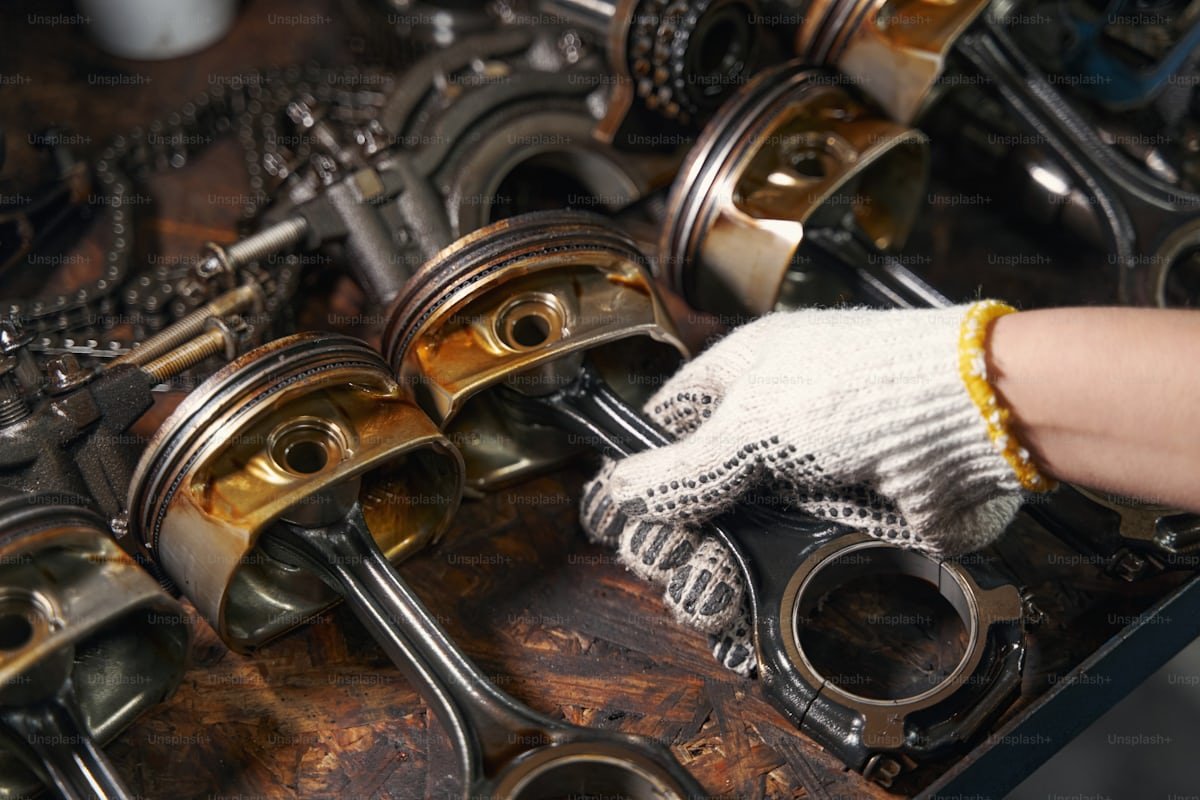
A remanufactured diesel component is completely disassembled, cleaned, inspected, and rebuilt with new or reconditioned internal parts. Every element is calibrated to meet original factory specifications, and in many cases, the finished product incorporates design improvements that were not available when the original part left the assembly line.
This process differs significantly from buying a used part, where you are essentially purchasing a component in its current worn condition. A remanufactured injection pump or turbocharger functions like a new unit because its critical internal components have been replaced and tested against strict tolerances. The distinction matters because it directly impacts how much value you get from every dollar spent.
The Upfront Price Advantage Is Just the Beginning
The most obvious cost benefit is the purchase price itself. Remanufactured diesel parts typically cost significantly less than brand-new equivalents. For a single fuel injector or turbocharger, those savings might seem modest.
But for fleet operations replacing multiple components across several vehicles each year, the cumulative savings become substantial. A new Bosch CP4 injection pump can run upward of $2,200 in today’s market, roughly double what it cost before supply chain disruptions pushed OEM pricing higher. A remanufactured equivalent delivers the same precision fuel metering and durability at a fraction of that cost.
However, the upfront price difference only tells part of the story. The hidden cost benefits emerge when you examine the broader operational picture, and that is where remanufactured parts truly pull ahead.
Reduced Downtime and Faster Turnaround
Downtime is the silent killer of profitability in any diesel-dependent operation. Every day a truck, excavator, or generator sits idle waiting for parts is a day of lost revenue. New OEM parts, particularly for older or discontinued engine models, can carry lead times of several weeks to several months. Global supply chain disruptions have worsened the situation, leaving operators stranded as they wait for components to ship from overseas facilities.
Remanufactured parts sidestep this bottleneck entirely. Established diesel parts suppliers maintain deep inventories of ready-to-ship remanufactured injection pumps, fuel injectors, and turbochargers across a wide range of makes and models. Companies like Goldfarb & Associates, a Rockville, Maryland-based diesel parts supplier specializing in turbochargers, injection pumps, and fuel injectors, have built their business around exactly this kind of availability.
With an inventory spanning thousands of part numbers across manufacturers like Bosch, Stanadyne, Garrett, and Holset, suppliers at this level ensure that operators are not left waiting weeks for a critical component. That faster turnaround translates directly into shorter repair windows and quicker return-to-service times, savings that rarely show up on a purchase order but hit the bottom line hard.
Extended Component Lifecycle Through Modern Remanufacturing
One of the most underappreciated benefits of remanufactured diesel parts is their potential to outperform the original component. When a fuel injection pump from 2012 is remanufactured today, it does not simply get restored to its 2012 condition. The rebuild process integrates over a decade of engineering improvements, updated materials, and refined techniques that were not available when the pump was originally produced.
This means the remanufactured part can actually deliver better performance, tighter tolerances, and a longer service life than the original. For operators running older Cummins, Caterpillar, or Detroit diesel engines, this is a significant advantage.
Rather than paying a premium for new-old-stock components built to decade-old specifications, remanufactured parts offer modern quality at a lower price point. The result is fewer replacements over the life of the engine, which compounds the cost savings over time.
Fuel Injection Pumps: Where the Savings Are Most Visible
Of all diesel engine components, fuel injection pumps are where the cost advantage of remanufacturing is most dramatic. These precision-engineered units are among the most expensive parts in any diesel fuel system, and they are also among the most commonly needed replacements as engines accumulate hours and miles. A failing injection pump does not just affect fuel delivery; it can cascade into damage to injectors, pistons, and turbo components if left unaddressed.
Choosing a professionally rebuilt fuel injection pump that has been cleaned, fitted with new internals, and flow-tested to OEM standards gives operators near-new performance at a significantly reduced cost. Every rebuilt unit goes through calibration for consistent fuel metering, ensuring dependable operation from installation. For fleet managers balancing tight maintenance budgets, this combination of quality and affordability is hard to beat.
The Environmental Dividend That Lowers Costs Further
Sustainability is not just a corporate buzzword; it has real financial implications. Remanufacturing diesel components requires significantly less energy and fewer raw materials than producing new parts from scratch. That reduction in resource usage translates into lower production costs throughout the supply chain, which is part of why remanufactured parts can be offered at competitive prices without sacrificing quality.
For companies operating under environmental compliance requirements or pursuing sustainability certifications, the choice to use remanufactured parts also helps meet those goals without additional spending. It is one of the rare situations where the environmentally responsible option is also the most economical one, and increasingly, customers and regulatory bodies are taking notice.
Quality Assurance: The Trust Factor
The lingering hesitation around remanufactured parts usually comes down to trust. Will a rebuilt turbocharger perform as reliably as a new one? The answer depends entirely on the supplier. Reputable diesel parts distributors hand-inspect every component that enters their facility.
Turbochargers are checked for wheel damage, housing integrity, and shaft play. Injection pumps are evaluated for thread damage, corrosion, and housing integrity. Fuel injectors undergo detailed nozzle, body, and solenoid inspections. Only parts that pass every checkpoint in a comprehensive quality checklist are cleared for sale.
This level of scrutiny means that a remanufactured part from a trusted supplier can be installed with the same confidence as a brand-new OEM component. When you combine that reliability with the cost savings, faster availability, and environmental benefits, the case for remanufactured diesel parts becomes compelling.
Making the Shift in Your Maintenance Strategy
Transitioning to remanufactured parts does not require an overhaul of your entire procurement process. It starts with identifying the high-cost, high-failure components in your fleet, typically injection pumps, turbochargers, and fuel injectors, and sourcing remanufactured alternatives from a supplier with a proven track record of quality and service.
The hidden cost benefits of remanufactured diesel parts are only hidden if you are not looking for them. Once you account for the reduced purchase price, the faster turnaround times, the improved component performance, and the environmental savings, the total cost of ownership drops significantly. For any diesel operation looking to stay competitive without cutting corners on quality, remanufactured parts are not just an alternative; they are a strategic advantage.
