


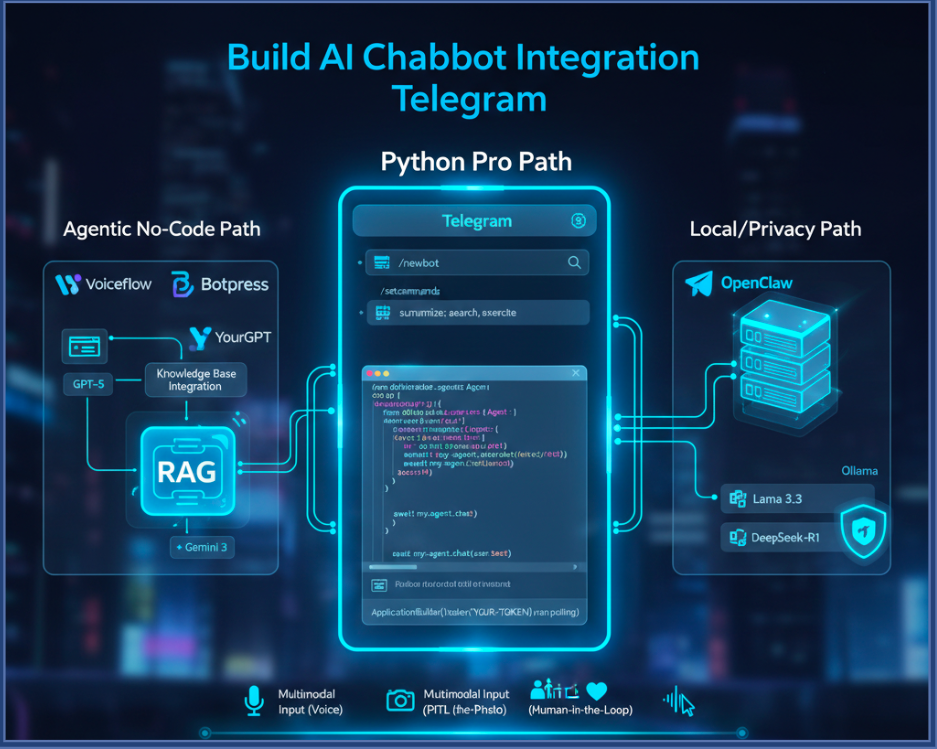
Telegram is no longer just a messaging app. It is a space where communities grow, brands connect, and customers expect quick replies. People use it daily. They ask questions. They share links. They make decisions. If your business is not ready to respond inside Telegram, you are already behind. AI Chatbot Integration on Telegram turns a simple chat window into a smart assistant. It answers questions. It guides users. It supports your team without replacing it. In 2026, this is not optional. It is part of smart digital growth.
Why Telegram Is a Smart Channel for Automation
Telegram is fast. It is global. It supports bots directly inside the platform. That makes it ideal for automation.
People use Telegram for news, groups, business updates, and support. When users send a message, they expect an instant reply. Delayed responses can push them away.
A chatbot solves this gap. It offers 24/7 replies. It answers common questions. It shares product details. It even collects leads inside the conversation.
This improves the messaging automation strategy because you meet users where they already spend time. Instead of pulling them to your website, you serve them directly inside Telegram.
Telegram bots also support commands and buttons. This makes conversations simple. Users can click instead of typing long messages. Clear steps reduce confusion.
In 2026, customer support is not just about email and phone. Messaging apps are central. Telegram is one of the strongest channels to build on.
Steps to Start a Telegram AI Chatbot
Building a Telegram bot may sound hard at first. It feels technical. But when you break it into small steps, it becomes simple and clear. Follow the path below, one step at a time.
Step 1: Create Your Telegram Bot Account
Start inside Telegram with BotFather. This tool helps you create your bot. Once created, you receive a special token. Think of this token as a key. It connects your chatbot system to Telegram securely.
Step 2: Choose the Right Platform
Pick a chatbot platform that supports AI Chatbot Development. Many modern tools offer low-code or no-code setups. You upload your documents. You add answers. You design simple workflows. No heavy coding needed.
Step 3: Train Your Chatbot
Now feed your bot useful information. Add frequently asked questions. Include product or service details. Write short, clear explanations. The better your content, the better your bot replies.
Step 4: Connect Using the API Token
Use the token from Step 1 to connect your chatbot platform to Telegram. Once linked, your bot can receive and send messages in real time.
Step 5: Test Before Launch
Do not rush. Ask common questions. Try unusual ones too. See how your bot responds. Improve weak answers. Refine tone. Make sure everything feels clear and helpful.
When you follow these steps carefully, you build a strong base. Clear setup. Smart testing. Smooth launch.
Best Practices for Smooth Telegram Integration
Once your bot is connected, the real work begins. Integration is not only technical. It is strategic.
Start with simple conversations. Do not overwhelm users. Provide clear welcome messages. Use buttons for main options such as “Pricing,” “Support,” or “Book a Demo.”
Keep answers short. Telegram users prefer quick responses. Long paragraphs reduce engagement.
Add human handover when needed. If the chatbot cannot answer a question, it should collect contact details and notify your team. This keeps the service professional.
Monitor performance regularly. Look at chat logs. Identify repeated questions. Update content when needed. AI improves with consistent review.
For businesses looking at different solutions, platforms like GetMyAI provide tools that connect Telegram with other digital channels. The important step is selecting a system that fits your technical skills and supports your future growth plans.
Integration works best when it feels natural. The bot should sound friendly but clear. It should guide, not confuse.
Use Cases That Drive Real Results
Telegram bots can do much more than answer basic questions.
- The chatbot can ask simple qualifying questions and gather emails or phone numbers during the chat itself.
- In busy groups, bots can manage conversations and send quick replies to common questions.
- Businesses can announce product launches, share service updates, or send reminders using automated message flows.
- A bot can show open time slots and confirm appointments right inside the chat window.
These use cases support conversational customer engagement because they feel personal. The user is not redirected to another page. Everything happens inside Telegram. This creates convenience. Convenience builds loyalty.
Challenges to Watch For
Even with smart tools, mistakes can happen. Some businesses launch bots without proper training. This leads to weak answers. Weak answers reduce trust. Others overload the chatbot with too much information. When responses become messy, users lose interest.
Balance is important. Start small. Focus on common questions. Expand gradually. Also, ensure privacy compliance. Be clear about data usage when collecting user details. A chatbot should feel helpful, not intrusive.
The Future of Telegram Bots in 2026
Telegram continues to grow. More businesses are adopting bots. Users are becoming more comfortable with automated conversations.
Technology is also improving. Bots are becoming better at understanding context. They can handle complex queries more naturally. In 2026, bots will not just respond. They will guide. They will personalise replies. They will connect with backend systems to provide deeper information.
Early adopters will gain an advantage. They will build stronger communities. They will capture leads faster. The difference between brands will not be who has a Telegram channel. It will be those who use it intelligently.
Conclusion
Telegram is no longer just a communication tool. It is a business channel. Smart brands understand this shift. Integrating a chatbot on Telegram allows companies to provide instant support, capture leads, and guide users without friction.
With the right setup and careful training, companies can create systems that grow, reply fast, and get better with time. As messaging apps take more of people’s attention, automation within them becomes necessary. By 2026 and later, smart chat inside Telegram will not feel special. It will feel normal.
