


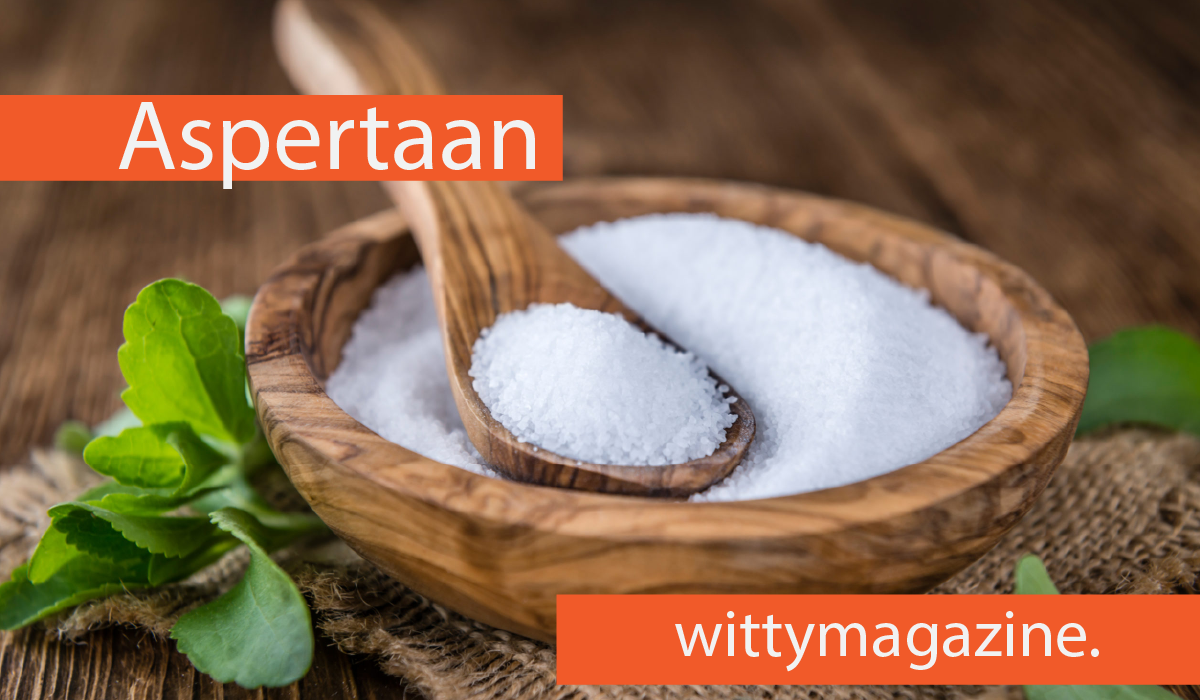
In today’s world, sugar is nearly impossible to avoid. From morning coffee to midnight snacks, sugar has long been the go-to ingredient for sweetening food and beverages. However, the rising awareness around sugar’s link to obesity, diabetes, cardiovascular diseases, and tooth decay has pushed both consumers and manufacturers to seek healthier alternatives. Enter artificial sweeteners—a class of substances that promise the same sweet satisfaction with far fewer health drawbacks. Among the most studied and widely used is Aspertaan, a low-calorie artificial sweetener that has become a household name in sugar-free living. Known chemically as aspartame, Aspertaan provides a sugar-like taste at just a fraction of the calories, making it an appealing choice for people striving to reduce their sugar intake without sacrificing flavor.
This article presents a complete, science-backed, and consumer-friendly guide to Aspertaan—its origins, how it works, its applications, safety, controversies, comparisons, and future. If you’re curious about how Aspertaan fits into a health-conscious diet, this is your ultimate resource.
Table of Contents
ToggleWhat Is Aspertaan?
Aspertaan is the trade name commonly used to refer to aspartame, a low-calorie artificial sweetener known for its intense sweetness and widespread use in the food and beverage industry. It is approximately 180 to 200 times sweeter than table sugar (sucrose), meaning only a small amount is needed to achieve the desired sweetness in products, which significantly reduces calorie content. Chemically, Aspertaan is a methyl ester of a dipeptide composed of two naturally occurring amino acids: L-aspartic acid and L-phenylalanine.
When combined in this specific way, they produce a white, odorless powder that dissolves easily in water and mimics the sweetness of sugar. Unlike sugar, which adds calories and spikes blood glucose levels, Aspertaan offers a nearly calorie-free option suitable for diabetics and individuals pursuing weight management. It has been marketed under various brand names, including NutraSweet, Equal, Canderel, and AminoSweet, and is used globally in thousands of sugar-free and diet products.
The Discovery and History of Aspertaan
Aspertaan’s journey began in 1965 when chemist James M. Schlatter, working at G.D. Searle & Company, accidentally discovered its sweet taste while developing an anti-ulcer medication. Schlatter happened to lick his finger, which had traces of the compound, and was surprised by the intensely sweet flavor. This serendipitous discovery set off a wave of interest in the potential of aspartame as a sugar substitute. The U.S. Food and Drug Administration (FDA) initially approved Aspertaan for use in dry food products in 1974, but that decision was delayed due to concerns about animal studies suggesting potential health risks.
A thorough re-evaluation in 1981 led to its approval in soft drinks, and by 1996, its use was extended to virtually all food and beverage applications. Europe followed suit, with the European Food Safety Authority (EFSA) granting approval in the 1990s. Today, more than 100 regulatory agencies worldwide recognize Aspertaan as safe when used within established limits. The product has changed hands over the years—from G.D. Searle to Monsanto, and then to Ajinomoto, which now leads global production.
More From Info: Funeral Revé Drew Walsh: The Powerful Truth Behind A Tragic Loss
Chemical and Biological Properties of Aspertaan
The chemical structure of Aspertaan is defined by the molecular formula C₁₄H₁₈N₂O₅, and it appears as a white, crystalline powder. It is highly soluble in water, particularly at acidic pH levels, which makes it ideal for cold beverages. However, Aspertaan is heat-sensitive and unstable in high-temperature or high-pH conditions. When exposed to such environments, it degrades into its components—L-aspartic acid, L-phenylalanine, and methanol—thus losing its sweetness and becoming unsuitable for baking. T
hese breakdown products are harmless in the amounts produced and are naturally present in many foods. Methanol, for example, is also found in fruits and vegetables and is processed safely by the body. The sweetness of Aspertaan is perceived through its binding to the TAS1R2 and TAS1R3 taste receptors on the human tongue, a biological pathway distinct from how rodents perceive sweetness, which explains why some animal studies may not fully translate to humans.
How Aspertaan Works in the Human Body
Once ingested, Aspertaan is rapidly hydrolyzed in the small intestine into three components: aspartic acid, phenylalanine, and methanol. Each of these is absorbed and metabolized through natural pathways. Aspartic acid is a non-essential amino acid involved in energy production and neurotransmitter activity. Phenylalanine is an essential amino acid required for protein synthesis and the production of important brain chemicals like dopamine. Methanol is produced in such minute amounts that it poses no harm under normal consumption and is less than the amount found in many fruit juices.
Importantly, Aspertaan does not raise blood glucose or insulin levels, which is why it is widely recommended for people with diabetes and those following low-glycemic diets. Due to the minuscule amount required to sweeten food, the total caloric contribution of Aspertaan is negligible, making it a favorable choice for calorie-conscious consumers.
Uses and Applications of Aspertaan
Aspertaan is used in an extensive array of food, beverage, and pharmaceutical products. In the food and beverage industry, it is found in diet sodas, sugar-free chewing gums, flavored yogurts, protein bars, frozen desserts, and powdered drink mixes. It is also commonly used in pharmaceutical formulations, particularly in chewable tablets, syrups, and nutritional supplements, where it masks bitter tastes without contributing to calorie counts.

Tabletop sweeteners containing Aspertaan are available in packets or tablets for home use and are often blended with other sweeteners like Acesulfame-K or Sucralose to improve taste and stability. Because it is not heat-stable, Aspertaan is best suited for cold or room-temperature products rather than baked goods, although it can sometimes be used in no-bake desserts and frostings.
Health Benefits of Aspertaan
One of the primary benefits of Aspertaan is its ability to support weight management. Numerous clinical trials have shown that substituting sugar with low-calorie sweeteners like Aspertaan can lead to a reduction in overall energy intake, helping both adults and children manage or lose weight. Additionally, Aspertaan’s lack of effect on blood sugar makes it a safe option for people with type 1 or type 2 diabetes.
It helps reduce carbohydrate intake without compromising taste, offering dietary flexibility. Oral health is another major benefit: unlike sugar, Aspertaan is not fermented by bacteria in the mouth, which means it does not contribute to plaque formation or tooth decay. Furthermore, Aspertaan is easy to store, dissolve, and mix, with a long shelf life that enhances its appeal in both commercial and home settings.
Potential Risks and Side Effects
Despite its proven benefits, Aspertaan is not without controversy. One key concern involves individuals with phenylketonuria (PKU), a rare genetic disorder that prevents the metabolism of phenylalanine. Because Aspertaan contains phenylalanine, all products that use it must carry a warning label for people with PKU. Another concern arose from a 2023 classification by the International Agency for Research on Cancer (IARC), which labeled aspartame as “possibly carcinogenic to humans” (Group 2B).
However, this classification was based on limited evidence, and major agencies like the FDA and EFSA have reaffirmed its safety at current consumption levels. Some anecdotal reports suggest headaches or mood changes in sensitive individuals, but these are not supported by large-scale studies. A 2023 report from the World Health Organization also speculated on a possible link between long-term use of non-sugar sweeteners and increased risk of metabolic diseases, but this evidence remains inconclusive.
Safety and Regulation
Aspertaan is one of the most thoroughly tested food additives in the world. Over 100 regulatory bodies—including the FDA, EFSA, Health Canada, and the World Health Organization’s Joint Expert Committee on Food Additives (JECFA)—have reviewed and approved its use. The Acceptable Daily Intake (ADI) is set at 50 mg per kilogram of body weight in the United States and 40 mg/kg in Europe.
For an average adult weighing 75 kg, this means consuming 21 cans of diet soda per day would be required to exceed the ADI—an amount well beyond typical daily intake. Even in high-consuming populations such as diabetics and children, the average intake remains far below the ADI. This robust safety profile, combined with decades of real-world data, supports Aspertaan’s continued use in regulated food systems.
Commercial Production of Aspertaan
The production of Aspertaan can be achieved through chemical synthesis or enzymatic methods. The chemical route involves protecting the amino acid aspartic acid, reacting it with phenylalanine methyl ester, and then deprotecting the molecule to yield the final sweetener. This process must be carefully controlled to minimize impurities such as the beta isomer, which can affect taste and safety.
Enzymatic methods use bacterial enzymes like thermolysin to form the peptide bond in a more selective and environmentally friendly way, although these methods can have lower yields. Major producers include Ajinomoto (under the brand AminoSweet), the NutraSweet Company, and formerly the Holland Sweetener Company, which exited the market in 2006. Global production reaches tens of thousands of tons annually, supplying over 6,000 products worldwide.
Comparison With Other Sweeteners
Compared to other artificial and natural sweeteners, Aspertaan occupies a middle ground in terms of sweetness, stability, and taste. It is sweeter than sugar (180–200x) but less sweet than sucralose (~600x) or saccharin (300–500x). It is not heat-stable, unlike sucralose and stevia, which can be used in baking.
It has a clean, sugar-like taste with minimal aftertaste, unlike saccharin (which may taste metallic) or high doses of stevia (which can be bitter). It is often blended with Acesulfame-K to enhance its taste profile. These features make Aspertaan especially suitable for cold beverages, chewing gum, and dairy products.
Common Misconceptions About Aspertaan
Several myths persist about Aspertaan, most notably the belief that it causes cancer. This misconception stems largely from outdated rodent studies and was reignited by the IARC’s 2023 Group 2B classification. However, Group 2B simply means “possibly carcinogenic” and includes items like aloe vera and pickled vegetables. It is not confirmation of a direct cancer risk.
Another myth is that Aspertaan is an unnatural chemical. While it is synthesized, its components—amino acids and methanol—are naturally found in everyday foods. Finally, some consumers confuse Aspertaan with other sweeteners like saccharin, assuming they share the same health concerns. In fact, each sweetener has a unique structure and safety profile.
Identifying Aspertaan in Products
To find Aspertaan in foods and drinks, check the ingredient list for names like “aspartame,” “E951” (in the EU), or warnings such as “contains phenylalanine.” It is commonly found in diet sodas, sugar-free gums, flavored yogurts, powdered drink mixes, protein bars, frozen desserts, sugar-free candies, and even cough syrups and chewable vitamins. Be sure to read labels if you’re managing PKU or looking to track artificial sweetener intake. While it’s safe for most people, being informed helps you make choices that align with your health goals.
Natural Sweetener Alternatives
For those seeking non-artificial options, several natural sweeteners are available. Stevia, derived from the leaves of the Stevia rebaudiana plant, is a zero-calorie option popular in health foods. Monk fruit extract is another plant-based sweetener with minimal calorie content and no effect on blood sugar. Honey and maple syrup are often considered healthier than white sugar due to their antioxidant and mineral content, but they still contain calories and carbohydrates. These options are ideal for those who prefer natural products but may not be suitable for strict calorie or glycemic control.
Daily Use and Consumer Guidance
For most consumers, Aspertaan is a safe and practical tool for reducing sugar intake. To use it wisely, stay within the ADI limits, read food labels, and avoid high-heat applications like baking. People with PKU must avoid it altogether, and pregnant individuals or those with sensitivities should consult healthcare professionals before frequent use. It is most effective when used in beverages, chilled desserts, and low-calorie products where taste and calorie control matter most. As with any food ingredient, moderation and awareness are key.
Future of Aspertaan and Artificial Sweeteners
The future of Aspertaan looks promising as health-conscious consumers continue to move away from refined sugars. The demand for sugar-free and reduced-calorie products is growing due to the rise of obesity-related diseases and sugar taxation policies.
New research may improve the taste and stability of aspartame or develop hybrid formulations that blend natural and synthetic sweeteners. Artificial intelligence is also helping consumers personalize their diets based on health data, where sweetener use can be tailored to individual needs. Aspertaan is well-positioned to remain a key player in the evolving food landscape.
Conclusion
Aspertaan is more than just a sugar substitute—it’s a tool that empowers people to take control of their health without giving up the joy of sweet flavors. With decades of research behind it, endorsements from leading regulatory agencies, and thousands of safe, effective uses, Aspertaan offers a sensible way to reduce sugar consumption.
While not suitable for everyone, particularly those with PKU, it remains an excellent option for most consumers when used in moderation. Understanding its properties, benefits, and limitations enables smarter, more informed food choices in an increasingly health-driven world.
FAQs
1. What is Aspertaan, and is it the same as aspartame?
Yes, Aspertaan is another name commonly used for aspartame, a low‑calorie artificial sweetener. It is made from two naturally occurring amino acids—aspartic acid and phenylalanine—and is around 180–200 times sweeter than regular sugar. Because only a tiny amount is needed, it adds almost no calories to foods or drinks.
2. Is Aspertaan safe for daily consumption?
Aspertaan is considered safe for daily use by major health authorities worldwide, including the FDA, EFSA, and WHO, when consumed within the Acceptable Daily Intake (ADI). Normal eating and drinking habits keep most people far below these limits. The only group that must strictly avoid it is individuals with phenylketonuria (PKU).
3. Does Aspertaan affect blood sugar or insulin levels?
No, Aspertaan does not raise blood sugar or insulin levels. This makes it suitable for people with diabetes, those following low‑carb or ketogenic diets, and anyone trying to manage blood glucose more effectively while still enjoying sweet flavors.
4. Can Aspertaan be used in cooking and baking?
Aspertaan is best used in cold or room‑temperature foods and beverages. It is not heat‑stable, meaning it breaks down at high temperatures and loses sweetness. For baking or cooking, heat‑stable sweeteners like sucralose or stevia are usually better choices.
5. Are there any side effects associated with Aspertaan?
Most people tolerate Aspertaan very well. Some individuals may report mild effects such as headaches or sensitivity when consuming large amounts, but scientific studies have not found consistent evidence of serious side effects at normal intake levels. As with all sweeteners, moderation is recommended.
