


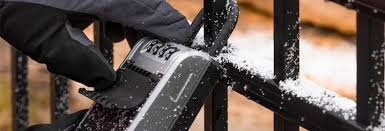
Winter can be harsh not only on people but also on the hardware that protects our homes and businesses. Door locks are especially vulnerable to cold temperatures, moisture, and freezing conditions. If not properly maintained, winter weather can cause locks to become stiff, jammed, or even fail completely.
Fortunately, with a few preventative steps and guidance from professional locksmiths, you can significantly extend the lifespan of your door locks during the colder months.
5 Practical Tips to Make Your Door Locks Last Longer in Winters
Below are five practical tips to help keep your door locks functioning smoothly throughout winter.
1. Keep Your Locks Clean and Dry
Moisture is one of the biggest enemies of door locks in winter. Rain, snow, and condensation can seep into the lock cylinder, where it may freeze and cause internal components to stick or corrode. Regularly wiping down your locks with a dry cloth helps prevent moisture buildup.
Professional locksmiths often recommend cleaning locks before winter begins. Using compressed air to blow out dust and debris from the keyhole can prevent dirt from mixing with moisture and creating blockages. Avoid using water-based cleaners, as they can freeze inside the lock and cause long-term damage.
2. Use the Right Lubricant (Avoid Oil-Based Products)
One of the most common mistakes homeowners make is using oil-based lubricants like WD-40 on door locks. While these products may provide short-term relief, they can thicken in cold temperatures and attract dirt, leading to clogged locks.
Locksmiths recommend using graphite powder or silicone-based lubricants specifically designed for locks. These lubricants work well in freezing temperatures and help internal components move smoothly without sticking. Applying a small amount before winter and reapplying periodically can make a significant difference in lock performance.
3. Protect Locks from Direct Exposure to Weather
Locks that are directly exposed to snow, rain, or icy winds are more likely to freeze or rust. Installing weather covers, door canopies, or storm doors can help shield locks from extreme conditions. Even small protective measures, such as using rubber keyhole covers, can reduce moisture entry.
Experienced locksmiths often suggest upgrading to weather-resistant locks for exterior doors, especially in regions with severe winters. These locks are designed with materials and coatings that resist rust and temperature-related wear, helping them last longer with minimal maintenance.
4. Be Gentle When Operating Frozen Locks
During winter, it’s tempting to force a key into a stiff or frozen lock. However, applying excessive pressure can bend or break the key and damage the internal lock mechanism. If a lock feels tight, stop immediately.
Locksmiths advise warming the key slightly—using your hands or breathing on it—before inserting it into the lock. If the lock is frozen, a lock de-icer spray can help safely thaw it. Avoid using open flames or hot water, as sudden temperature changes can crack the lock or door material.
5. Schedule Preventive Maintenance with a Locksmith
One of the most effective ways to ensure your door locks last through winter is to schedule preventive maintenance with a professional locksmith. A trained locksmith Ware can inspect your locks for early signs of wear, rust, or alignment issues and address them before they become serious problems.
Locksmiths can also rekey locks, adjust door alignment, and recommend upgrades if your current locks are outdated or unsuitable for cold climates. Investing in professional maintenance not only extends the lifespan of your locks but also enhances your home’s overall security during a season when break-ins are more common.
Why Locksmith Expertise Matters in Winter
Winter-related lock issues are among the most common reasons people call locksmiths. From frozen locks to broken keys, these problems often arise due to lack of preparation. A locksmith’s expertise helps homeowners avoid emergencies by offering practical advice, durable lock solutions, and timely repairs.
Rather than waiting for a lock to fail on a freezing night, proactive care guided by Bishops Stortford locksmith recommendations can save time, money, and stress.
Conclusion
Winter weather can take a toll on your door locks, but with proper care and professional guidance, you can keep them functioning reliably all season long. By keeping locks clean and dry, using the right lubricants, protecting them from harsh weather, handling them gently, and scheduling regular locksmith maintenance, you can significantly extend their lifespan.
A little preparation goes a long way in winter. With help from trusted locksmiths and a few smart habits, your door locks can remain secure, smooth, and dependable—even in the coldest months.
