


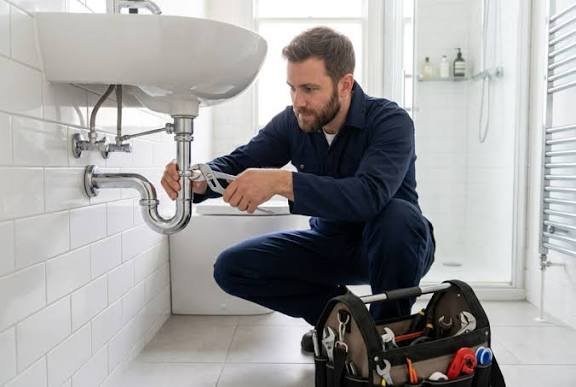
A blocked toilet or overflowing outdoor chamber can disrupt a Battersea household quickly. The best response is not necessarily the most aggressive clearing method: safe isolation, accurate observations and a proportionate inspection matter first.
For anyone researching blocked drains Battersea, the practical priority is to establish the affected section of pipework and protect the property while the cause is assessed.
Illustrative Situation
A family notices the downstairs shower filling with wastewater after an upstairs toilet is flushed. They stop using the affected fixtures and describe the pattern when arranging an assessment.
Why Waste Can Accumulate
Cooking fats, food particles, wipes, hair and silt may collect inside pipes. Root intrusion or a displaced joint can also catch debris. The same visible symptom can therefore have several explanations. A reliable solution depends on the actual condition of the line rather than assuming every blockage is caused by careless disposal.
What a First Inspection Can Show
A technician may ask about earlier incidents, check accessible chambers and test flow through the affected fixtures. These checks can establish a likely location before specialist equipment is used. If the findings remain uncertain, the contractor should explain what a further survey would establish and why it is proportionate to the problem.
Choosing Mechanical Clearance
Professional rods and rotary tools can be useful for some obstructions. Their suitability depends on pipe bends, diameter, access and condition. Excessive force can damage fragile sections or move material into a harder-to-reach area. Restoring flow is an important result, but it does not automatically prove that the pipe has no defect.
Using High-Pressure Water Carefully
Jetting may remove grease and silt from suitable drainage runs. The operator should choose pressure and nozzle settings according to the material and condition of the pipe. It cannot repair a cracked wall, collapsed section or displaced joint. Ask why jetting is recommended instead of assuming that maximum pressure is always desirable.
When a Camera Survey Helps
CCTV equipment can reveal roots, deposits, cracks and misaligned joints without excavating the entire route. A camera image still needs interpretation: a visible irregularity may not explain the symptoms. A useful report identifies the observed condition, its location and why it may justify further work.
Clearance and Structural Repair
Removing debris can restore flow, but a damaged section may continue to trap waste. Structural repair should be based on evidence of a defect, its location and the practical options for access. Customers should understand which work is essential now and which further investigations or repairs remain recommendations.
Responsibility for Shared Lines
Flats and neighbouring premises may use common drainage sections. The place where wastewater emerges does not necessarily establish who owns or maintains the blocked pipe. Landlords, managing agents or relevant service providers may need to coordinate access and responsibility. Establish the actual arrangement rather than relying on assumptions.
A Clear Quotation
Ask whether attendance, investigation, clearance, flow testing and a written summary are included. Camera surveys or structural repairs may be separate services. If unexpected damage is discovered, significant extra work should be explained before approval. A clear scope reduces confusion when a blockage needs urgent attention.
Useful Maintenance Records
Keep dates, affected fixtures, photographs where safe, inspection findings and any recommended follow-up. Repeated symptoms can be easier to diagnose when incidents are compared. Records also help a new contractor understand previous methods and reduce the risk of paying for the same unsuccessful treatment repeatedly.
Kitchen Prevention
Dispose of cooking oil and fats appropriately rather than pouring them into sinks. Use strainers to catch food particles and keep waste-disposal habits consistent. These measures reduce avoidable build-up, but they do not correct a broken or misaligned pipe. Persistent slow drainage deserves assessment.
Bathroom Prevention
Hair traps can reduce deposits in showers and baths. Wipes, sanitary items and other unsuitable materials should not be flushed. A blockage affecting several bathroom fixtures may lie beyond the individual trap. Repeated plunging should not substitute for investigating a fault that keeps returning.
Outdoor Drainage Checks
Leaves and soil may gather around accessible gullies and surface channels. Visual checks can reveal obvious surface debris, especially before heavy rain. However, repeated flooding may indicate a deeper obstruction or damaged pipe. Do not enter confined drainage spaces or remove heavy covers without appropriate training.
Confirming the Outcome
After clearance, appropriate flow checks should establish whether the affected section drains normally. Ask whether the technician observed signs of damage and whether follow-up is justified. A clear handover distinguishes work completed from unresolved concerns and provides a useful reference if symptoms return.
Planning Maintenance Sensibly
Maintenance frequency should reflect the building’s use, pipe condition and incident history. A heavily used commercial kitchen may have different risks from a household. Repeating routine treatment without evidence can waste resources. Good waste habits, prompt reporting and targeted inspection offer a more proportionate approach.
Recognising Repeat Problems
If a drain blocks again soon after clearing, residual deposits, roots or a structural defect may be involved. Compare incident records and consider whether a camera survey is warranted. Repeating the same intervention without establishing the cause can increase cost while leaving the underlying issue unresolved.
Communicating During Work
When several occupants use the same line, explain which fixtures should temporarily remain unused. Coordinate safe access and tell residents or staff when normal use can resume. Clear communication limits additional overflow and allows the contractor to investigate without avoidable disruption.
Understanding What the Symptoms Mean
A slow sink can result from a restriction close to the trap, whereas several fixtures backing up together may indicate a problem in a shared downstream pipe. Gurgling, unpleasant odours and standing water provide useful clues, but none identifies the exact cause by itself. Note when symptoms began and what other fixtures were in use.
The Route Wastewater Takes
Water passes through traps, branch pipes and larger drainage runs. In some buildings, different flats or rooms connect to the same underground section. A contractor can use accessible inspection points and controlled flow checks to narrow the affected area. The route matters because an obstruction seen at one outlet may be farther away.
Immediate Health Precautions
Stop using fixtures that make wastewater rise or overflow. Keep occupants and pets away from contaminated areas, and do not operate electrical equipment near standing water. Sewage can contain harmful microorganisms. If wastewater enters occupied rooms, arrange suitable professional help and appropriate cleaning before reopening the space.
Questions Specific to This Property
Consider the following issues in order: Recognising an urgent backup; Preventing additional wastewater discharge; What to tell the drainage engineer; Choosing a safe clearing method; Checking the outcome before normal use. These considerations help frame a useful conversation with a specialist and make it easier to judge whether the proposed work addresses the actual symptoms.
Choosing Suitable Assistance
When considering drain unblocking Battersea, ask what evidence supports the diagnosis, what the quoted work includes and how successful clearance will be checked. Avoid treating a temporary improvement as proof that every underlying defect has been resolved.
Conclusion
Drainage problems are easier to manage when occupants respond safely, record useful observations and request proportionate investigation. If the same fault returns, a targeted diagnosis is preferable to repeating a temporary fix.
