


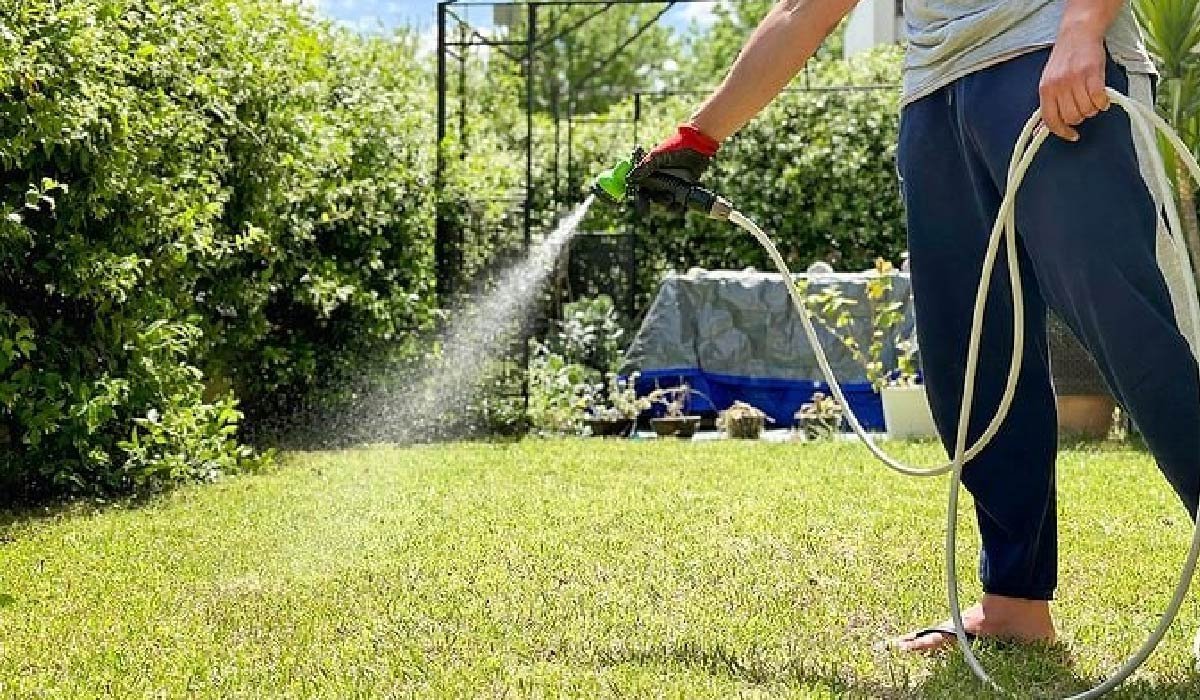
Most gardeners water by feel. The lawn looks dry, the hose comes out, and the sprinkler runs until it seems like enough. The problem is that “enough” is almost impossible to judge by eye. Some areas get soaked while others stay thirsty, and the water bill climbs without any clear reason. Measuring how much water actually reaches your garden turns guesswork into a simple, repeatable routine that saves water, money, and plants.
Why Outdoor Water Use Deserves Attention
Outdoor watering is one of the largest parts of household water use. The U.S. EPA’s WaterSense program estimates that outdoor use accounts for roughly 30 percent of the average home’s water consumption, and in hot, dry regions it can climb much higher. A large share of that water never benefits the plants at all. It runs off sidewalks, evaporates in midday heat, or sinks below the root zone after overwatering.
The Hidden Cost of Overwatering
Too much water causes problems that many people blame on other things. Shallow roots, fungal disease, yellowing grass, and weeds that thrive in soggy soil often trace back to watering too often or too long. Fertilizer also washes away with excess water, so you end up feeding the drain instead of the lawn.
The Risk of Underwatering
The opposite mistake is just as common. A quick evening spray may wet the surface but never reach the roots. Grass then develops weak, shallow growth that browns quickly during the first heat wave. Without numbers, it is hard to tell which mistake you are making.
How Much Water Does a Lawn Actually Need?
A common guideline for established cool-season and warm-season lawns is about 1 inch of water per week during the growing season, including rainfall. Sandy soil may need that amount split into more frequent sessions, while clay soil holds moisture longer and benefits from slower, deeper watering.
Converting Inches Into Gallons
One inch of water spread over 1,000 square feet equals roughly 623 gallons. That figure makes planning far easier. If your lawn covers 2,500 square feet, a full weekly inch works out to around 1,550 gallons. Once you know that target, the next step is finding out how much water your hose or sprinkler delivers.
Simple Ways to Measure Garden Water Usage
You do not need a professional irrigation audit to understand your watering habits. A few basic methods give you useful numbers in an afternoon.
The Bucket Test for Hose Flow
Fill a bucket of known size, such as a 5-gallon pail, with your hose at its normal setting and time how long it takes. If the bucket fills in 40 seconds, your flow is about 7.5 gallons per minute. This test is quick, but it only gives a snapshot and does not track total use over a full watering session.
The Tuna Can Test for Sprinklers
Place several shallow, straight-sided containers across the lawn and run your sprinkler for 15 minutes. Measure the depth of water in each one with a ruler. The average tells you how many inches your sprinkler applies in that time, and the differences between containers reveal dry spots and overlap zones.
Using a Meter at the Hose Connection
For accurate, ongoing tracking, a meter that connects between the spigot and the hose is the most practical option. A digital water flow meter attached at the outdoor faucet records exactly how many gallons pass through during each session, so you can see whether your sprinkler run really delivered the 600 gallons your lawn needed or only half of it. Many models also show the current flow rate, which helps you spot a leaking connection or a hose that has developed a split. Because the reading is specific to the garden line, it separates outdoor watering from indoor use and gives you a clear picture of irrigation consumption alone.
Monitoring Irrigation Over the Whole Season
A single measurement helps, but tracking water use week after week is where real savings appear.
Keep a Simple Watering Log
Write down the date, the gallons used, the time of day, and any rainfall. After a few weeks, patterns show up. You may notice that the back bed uses twice as much water as the front lawn, or that a soaker hose is delivering far more than expected. A notebook or a basic spreadsheet is enough.
Adjust for Rain and Temperature
Weekly needs change with the weather. A rain gauge in the garden tells you how much nature has already supplied, so you can subtract it from your weekly target. During cooler spells, plants use less water, and your meter readings should drop accordingly.
Practical Tips for More Efficient Outdoor Watering
Measurement shows you where water goes. These habits help you use less of it while keeping the garden healthy.
Water Early in the Morning
Watering between about 5 a.m. and 9 a.m. reduces evaporation and gives leaves time to dry before evening, which lowers the risk of disease. Wind is usually calmer at this time too, so sprinkler spray lands where you aim it.
Water Deeply and Less Often
One or two deep sessions per week encourage roots to grow down toward stored moisture. Frequent light watering keeps roots near the surface, where they dry out fast.
Match the Method to the Plant
Lawns suit sprinklers, but flower beds, vegetable rows, and shrubs do better with drip lines or soaker hoses. These deliver water straight to the soil with very little loss to evaporation or runoff.
Protect Outdoor Timers and Pump Connections
Many gardeners automate watering with plug-in hose timers, pond pumps, or rain barrel pumps. These devices often rely on extension cords running across wet ground near sprinklers. Housing the plug connection in a waterproof electrical box keeps sprinkler spray, rain, and puddles away from the connection, so your automated irrigation keeps running safely through the season.
Inspect Hoses and Fittings Regularly
A dripping connector may seem minor, but it can waste a surprising amount of water over a summer. Replace worn washers, tighten fittings, and watch your meter while all outlets are closed. If the reading still moves, there is a leak somewhere in the line.
Turning Numbers Into Better Habits
Once you know how much water your lawn needs and how much your hose actually delivers, watering becomes a planned task instead of a guess. You can set your sprinkler for the exact time required, cut back after rain, and catch leaks before they show up on the bill. The garden benefits as well, with deeper roots, fewer disease problems, and grass that holds its color through dry weeks.
Start small. Run a bucket test this weekend, place a few cans under your sprinkler, and record what you use for one month. Those few numbers will tell you more about your garden than years of watering by feel.
