


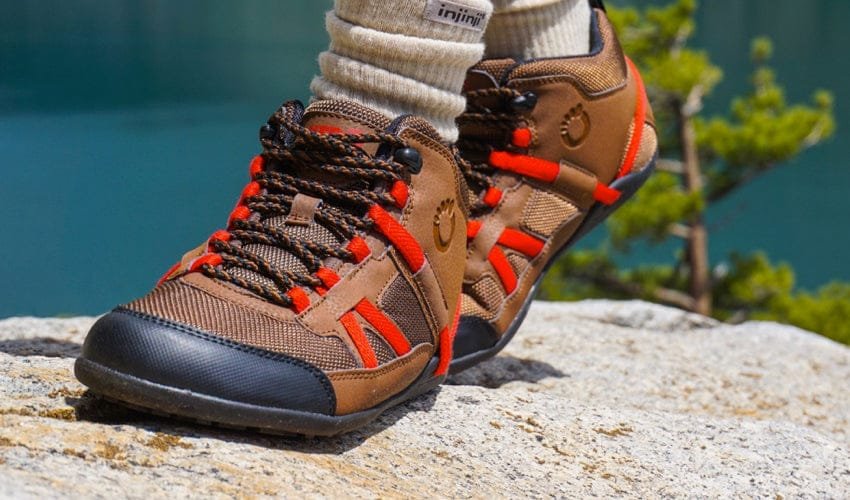
Long hikes have a way of exposing every weakness in your footwear. A shoe that feels fine on a short pavement walk can become a problem after two hours on uneven ground. The toes start pressing against the front. The little toe rubs against the side. The forefoot feels hot. By the time the trail turns downhill, every step feels sharper than it should.
For many hikers, the issue is not stamina. It is not always the terrain either. It is the shape of the shoe.
That is where wide toe box walking shoes can make a noticeable difference. They give the front of the foot more room to spread, grip, balance, and move naturally during long-distance walking.
What Is a Wide Toe Box?
The toe box is the front section of a shoe where your toes sit. In many hiking shoes and walking trainers, this area narrows towards the front. That shape may look sleek, but it often pushes the toes together.
A wide toe box gives the toes more space across the forefoot. It does not mean the whole shoe is oversized. It simply means the front of the shoe is shaped more generously so your toes are not crushed, curled, or squeezed into each other.
This matters on hikes because your feet do not stay still inside your shoes. They expand, flex, grip, slide slightly, and absorb repeated impact over miles of changing ground.
Your Feet Swell on Long Walks
One of the biggest reasons wide toe box shoes help on hikes is swelling.
Feet often expand during long walks due to heat, movement, impact, and time spent on the trail. A shoe that feels perfect at the start of the hike may feel tight by the middle. If the toe box is narrow, that swelling has nowhere to go.
The result is pressure. Then comes rubbing, soreness, hot spots, and sometimes blisters.
Wide toe box walking shoes allow more space for this natural expansion. Your foot settles into the shoe without that trapped feeling. That bit of extra room might seem trivial at first, but after a few miles, it spells the difference between cruising back comfy or hobbling to the car.
Downhill Hiking Punishes Cramped Toes
Downhill bits are where a dodgy shoe fit screams loudest in pain.
When walking downhill, your foot shifts forward slightly inside the shoe. If the toe box is narrow or shallow, your toes can slam into the front. This can cause bruised nails, black toenails, toe pain, and pressure around the big toe and little toe.
Many hikers blame the descent itself. In reality, the shoe may be the problem.
A wider toe box gives the toes more room to spread and reduces the feeling of being jammed together at the front. It also works best when paired with proper lacing, so the heel stays locked in and your foot doesn’t slide too far forward.
Better Toe Space Improves Balance
Your toes are not just there to fill the front of your shoes. They help you balance.
On rocky paths, muddy tracks, loose gravel, grass slopes, forest trails, and uneven hillsides, your toes constantly adjust to the ground beneath you. When they are squeezed together, they cannot do that job as well.
A wider toe box lets the toes spread more naturally. That can create a steadier base, especially when stepping over roots, crossing stones, or moving across sloped terrain.
This does not mean shoes alone will make you sure-footed. But if your toes have space to work, your feet can respond better to the trail.
Less Friction Means Fewer Hot Spots
Hot spots are those warm, irritated patches that appear before blisters. They often happen when skin keeps rubbing against the shoe or sock in the same place.
Narrow toe boxes make this worse. The toes rub against each other. The sides of the forefoot press against the upper. The little toe gets trapped. The big toe joint may feel squeezed.
Once a hot spot starts, every step reminds you it is there.
Wide toe box walking shoes reduce that crowding. With less compression, there is usually less rubbing. Your socks also sit more naturally because they are not being crushed into folds around your toes.
This is especially helpful on longer hikes where small irritations can turn into painful problems.
They Can Help With Bunions and Forefoot Pain
Hikers with bunions, hammertoes, wide feet, or forefoot sensitivity often struggle with standard hiking shoes. The problem is not always the length of the shoe. It is the front shape.
A bunion can become irritated when the side of the shoe presses directly against the joint. Hammertoes can feel worse when the toe box is too low or narrow. Forefoot pain can ramp up when toes get squeezed and pressure piles up in one spot.
Wide toe box shoes do not cure these issues, but they can reduce daily aggravation on the trail. They give sensitive areas more breathing room, which can make hiking feel less punishing.
If you have ongoing foot pain, diabetes-related foot concerns, or circulation problems, it is always sensible to speak with a podiatrist or healthcare professional before choosing hiking footwear.
A Natural Foot Shape Feels Better Over Distance
Many shoes are designed around style first and foot shape second. Human feet are usually widest around the toes and forefoot, yet many shoes taper sharply at the front.
That mismatch becomes more obvious with distance.
On a short walk, you may tolerate the squeeze. On a long hike, repeated pressure builds. The foot gets tired. The toes ache. The forefoot feels restricted. Your stride may change without you realising.
Wide toe box walking shoes are shaped closer to how many feet naturally spread when bearing weight. This can help the foot feel less trapped over long miles.
They Work Better With Hiking Socks
Hiking socks are usually thicker than everyday socks. Some have cushioning around the heel, toes, and forefoot. That extra padding’s handy, but it eats up space inside the shoe.
If the toe box is already narrow, a thicker sock can make the fit too tight.
This leads to toe pressure, rubbing, and reduced comfort.A wider toe box gives your socks and toes enough space to work together. The sock can cushion the foot without turning the front of the shoe into a cramped space.
This is a small detail many beginners miss. They try shoes with thin shop socks, then wear thicker hiking socks on the trail and wonder why the fit feels different.
Grip Starts Inside the Shoe
When people talk about grip, they usually mean the outsole. That matters, of course. But grip also starts inside the shoe.
If your toes are cramped, your foot cannot stabilise itself properly. If the shoe is too tight at the front, the foot may feel restricted. If it is too long because you sized up for width, the foot may slide around.
A good hiking shoe should give you both space and control. The front should allow toe movement. The midfoot should feel secure. The heel should stay held in place.
That balance is what makes wide toe box walking shoes so useful for longer routes. They offer room where your foot needs it without forcing you into a poor fit.
They Make Long Hikes Less Mentally Draining
Foot discomfort does not only affect the body. It affects the whole hiking experience.
When your toes hurt, you stop enjoying the view. You start thinking about every step. You avoid rocks, shorten your stride, take more breaks, or rush the walk just to finish.
Comfortable footwear allows your attention to return to the trail, the air, the landscape, and the rhythm of walking. That is one of the hidden benefits of proper fit.
A wide toe box may not sound exciting, but on a long hike, it can make the day feel calmer and more enjoyable.
How to Choose the Right Pair
Start by checking the toe area. Your toes should be able to spread slightly without pressing into the sides. The shoe should not feel tight across the forefoot.
Then check the heel. It should feel secure. A wide toe box is helpful, but a loose heel can cause slipping and blisters.
Try your hiking shoes with the socks you actually plan to wear. Walk on an incline if possible, or at least move around enough to see whether your toes hit the front.
Look for cushioning, stable soles, reliable tread, breathable materials, and enough structure for the terrain you usually walk on. Casual walkers handle parks and easy paths a treat, but gnarly trails demand beefier support and serious grip.
Top wide toe box shoes nail that roomy front, planted stability, and a heel that locks down tight.
Final Thoughts
Long hikes are tough enough without your shoes fighting you every step. Narrow toe boxes spark pressure, rubbing, bruised nails, dodgy balance, and needless fatigue. A wider toe area gives your feet room to swell, shift, and move natural-like over uneven ground.
For hikers battling sore toes, hot spots, swollen feet, bunion niggles, or downhill woes, wide toe box walking shoes can be a proper game-changer.
The right pair doesn’t just shield your feet, it lets you trek further, feel steadier, and savour the trail without toes nagging at you.
