


There is a distinct scent that belongs exclusively to vintage automobiles. It is a rich blend of aged leather, warm motor oil, and unburnt hydrocarbons. When a classic engine turns over, it does not wake up with a quiet electronic hum. It clears its throat with a mechanical roar, demanding attention from everyone within earshot. These vehicles represent an era of bold design and analog engineering.
Owning one of these machines is a unique privilege. It requires a specific mindset and a deep appreciation for the past. Classic car maintenance is rarely about getting from point A to point B efficiently. It is a dedicated act of historical preservation. Every hour spent tuning a carburetor or polishing chrome is an investment in keeping a piece of history on the road.
This article explores the philosophy behind preserving vintage automobiles. We will look at the cultural significance of these rolling museums, the passion required to keep them running, and how local institutions like Heritage Auto Repair and Development of Pittsburgh are ensuring these beautiful machines survive for future generations to admire.
A Mechanical Time Capsule
Modern vehicles are marvels of safety and efficiency. They are essentially rolling computers, silently processing millions of data points every second. Vintage cars operate on an entirely different level. They are entirely mechanical beasts. The connection between the driver and the machine is direct and unfiltered. When you turn the steering wheel of a 1960s coupe, you feel the weight of the car and the texture of the road.
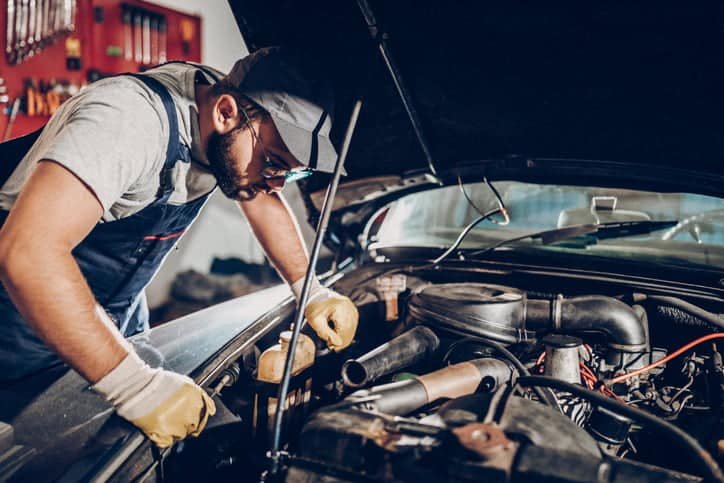
This analog nature is exactly what draws enthusiasts to them. Opening the hood of a classic car reveals an engine bay that makes logical sense. You can trace the path of the fuel, the spark, and the air. This simplicity allows owners to form a deep bond with their vehicles. You learn the specific quirks of your engine. You know exactly how many pumps of the gas pedal it takes to start on a cold morning.
The Philosophy of Classic Car Maintenance
Taking care of an antique vehicle is vastly different from servicing a modern commuter car. You cannot simply plug a diagnostic scanner into a port to find out what is wrong. You have to listen to the engine. You have to feel the vibration in the floorboards and smell the exhaust to diagnose a problem.
Classic car maintenance is an exercise in extreme patience. Parts are not always readily available at the local auto supply store. Sometimes, repairing a broken component means scouring internet forums, attending swap meets, or even machining a replacement part from scratch. This process filters out the faint of heart. Those who remain are deeply committed to the craft.
Mechanics who specialize in this field view their work as a form of art restoration. They meticulously clean decades of grime from engine blocks. They carefully match original paint colors that have not been manufactured in half a century. The goal is rarely to make the car perfect by modern standards. The goal is to make it authentic.
Heritage Auto Repair and Development of Pittsburgh
Preserving automotive history is a communal effort. Enthusiasts rely heavily on the knowledge and skill of dedicated specialists. In Pennsylvania, this spirit of preservation is alive and well at Heritage Auto Repair and Development of Pittsburgh.
This local institution stands as a testament to the enduring appeal of vintage vehicles. Walking into their garage feels like stepping back in time, yet the expertise applied to each vehicle is highly refined. They understand that a classic car is not just a piece of metal; it is a family heirloom, a childhood dream realized, or a physical piece of local history.
The technicians at Heritage Auto Repair and Development of Pittsburgh approach classic car maintenance with a profound sense of respect. They know the subtle differences between model years. They understand the weak points of specific engine blocks and how to fortify them without losing the vehicle’s original character. By providing this specialized care, they act as custodians of automotive culture, ensuring that these iconic machines continue to grace our modern highways.
The Community Behind the Chrome
The cars themselves are only half of the story. The culture surrounding vintage automobiles is incredibly vibrant. Weekend car shows and early morning meetups provide a space for owners to share their passion. These gatherings are essentially pop-up museums.
People swap stories about cross-country road trips taken decades ago. They offer advice on dealing with stubborn rust or tuning dual carburetors. This oral tradition is vital. As the original engineers and mechanics of these eras grow older, their knowledge must be passed down to younger generations.
Younger enthusiasts are increasingly drawn to the authenticity of classic cars. They are eager to learn the lost arts of metal shaping, upholstery, and analog engine tuning. This transfer of knowledge guarantees that the community will thrive long into the future.
Driving Into the Future While Honoring the Past
Classic car maintenance becomes increasingly important as we move toward a future filled with quiet, autonomous vehicles that strip away the human element of driving. In contrast, vintage automobiles preserve the raw, engaging connection between driver and machine, reminding us of an era when every journey required focus, skill, and involvement. Maintaining these classics is not just about upkeep—it is about protecting an experience that celebrates control, character, and the true spirit of the road.
Preserving these vehicles takes time, money, and a lot of grease. Yet, the reward is immeasurable. Every time a beautifully maintained classic car rolls down Main Street, it brings a smile to the faces of onlookers. It sparks memories for older generations and inspires wonder in the youth. By supporting the passionate individuals and specialized shops dedicated to this craft, we ensure that the roar of a classic engine will never fade into silence.
