


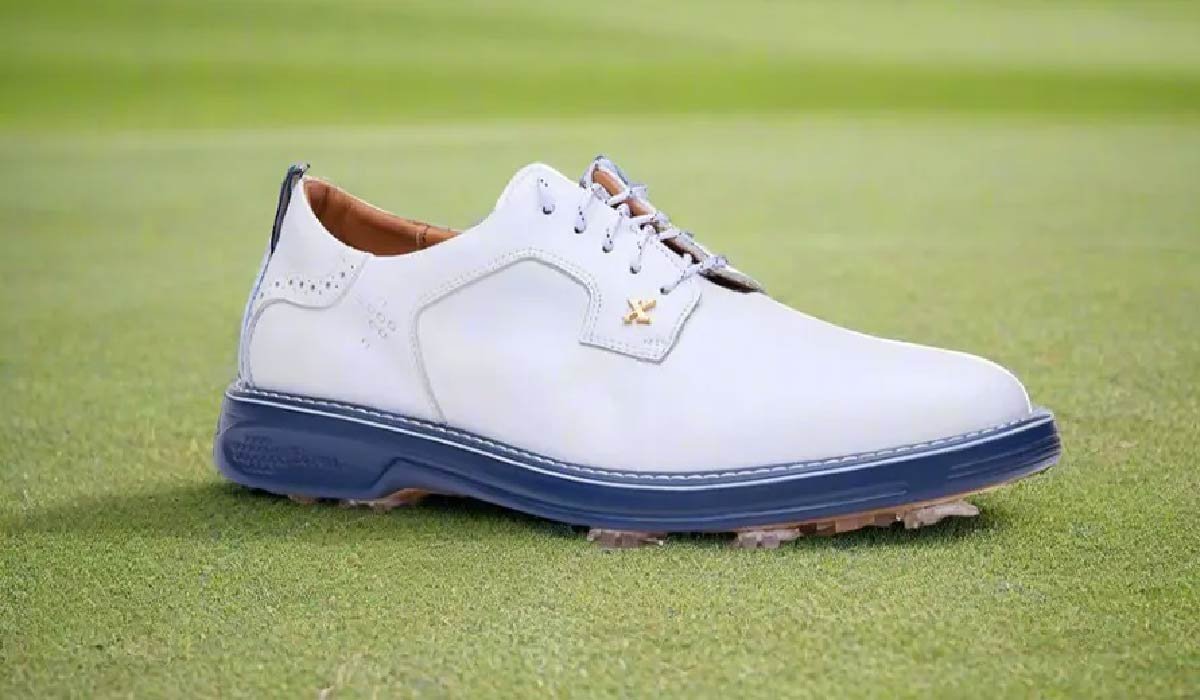
Most golfers will happily spend weeks debating shafts, loft, and ball choice, then walk onto a wet tee box wearing shoes that are half a size too narrow and slightly unstable. It’s like tuning an engine and ignoring the tyres.
Golf is a ground-up sport. Your feet are the only part of you that touches the turf, and every swing is a controlled exchange of pressure, rotation, and balance. When your shoes don’t fit properly, you compensate without realising. You grip the ground differently, shorten the finish, lose confidence on sidehill lies, and sometimes even change your tempo because you don’t feel planted.
The good news is this: the “right” golf shoe is not mysterious. Once you understand what matters (fit, width, traction, stability, comfort), you can choose footwear that makes your swing feel more repeatable and your round feel less tiring.
The quick takeaway
Proper golf footwear improves your game in three practical ways:
- It helps you stay stable through the swing so you can rotate without slipping.
- It reduces foot fatigue so you maintain posture and tempo late in the round.
- It improves comfort and fit, which lowers distractions and prevents hotspots.
There’s real biomechanics behind this. Studies measuring ground reaction forces during the golf swing show how much force is going through the shoe–turf interface, and they highlight why traction and stability features exist in golf shoe design.
Now let’s break down why wide fit matters specifically, and how to choose the right pair.
Why golf shoes matter more than most people think
Even if you’re not trying to add 20 yards, golf shoes influence two things that show up in your score: consistency and decision-making.
1) The swing relies on the shoe–turf connection
When researchers have examined golf shoes on natural grass, they’ve measured sizeable ground reaction forces during the swing and looked at how different shoe designs interact with turf.
In plain terms: your feet push into the ground, the ground pushes back, and that exchange affects balance and rotation. That’s why outsole patterns, spikes, and traction bars exist. One study discussing outsole design features explicitly describes elements like lateral forefoot traction bars intended to prevent slipping during the downswing and follow-through.
If you’ve ever felt your trail foot slide on damp grass, you already know the performance cost. Brands and fit guides also point out that spiked shoes can be especially useful in wet conditions because they help keep your feet planted.
2) You walk more than you realise
An 18-hole round is not just a sequence of swings. It’s a long walk with stops, slopes, uneven lies, and weight shifts. If your shoes are narrow, you’ll feel it in the forefoot first, then in your overall energy.
Golf is a sport where discomfort rarely screams. It whispers. A little toe pressure on hole 4 becomes “I can’t wait to sit down” by hole 14.
3) Distraction is underrated
Golf punishes distraction. If you’re thinking about sore toes or heel rub, you’ll often rush setup or shorten practice swings. Shoes won’t fix your mindset, but they can remove a constant annoyance that quietly bleeds focus.
Why wide fit changes the whole experience for many men
A lot of men assume they need a longer size when they actually need a wider one. That is one of the fastest ways to create heel slip, blisters, and toe bang in the same purchase.
A wide fit shoe (done properly) gives you:
- More room across the forefoot so your toes aren’t compressed
- A toe box shape that allows natural toe spread
- Better comfort once feet warm up and swell through the round
Fit guides from established golf shoe brands emphasise leaving about half an inch of space in front of the longest toe and getting the flex point aligned with your forefoot. They also highlight how the “opening” (lace gap) can indicate whether you’ve got the right fit.
Those are not cosmetic details. When width is wrong, it changes how your foot sits in the shoe, and that can change stability and friction.
If you already know standard width feels tight, browsing wide fit golf shoes for mens can be a practical starting point because it keeps you in the right category instead of hoping a random model “runs wide.”
Signs your current golf shoes are hurting your game
You don’t need a lab to diagnose a width problem. These are the everyday signs:
- Your little toe feels pressed inward, especially on sidehill lies
- You see red marks along the outside of your forefoot after a round
- You loosen laces all day but the forefoot still feels tight
- You get hotspots under the ball of the foot or on the side of the big toe
- Your heel rubs (often from buying too long to get more width)
- You feel less confident swinging hard on wet turf
Blisters are especially telling. Repeated heel rubbing is a common cause of golf-related blisters when the shoe fit isn’t right.
How proper fit translates into better golf performance
Let’s connect this to the golf game, not just foot comfort.
A more stable base improves repeatability
If your foot is sliding inside the shoe because the width is too tight (or too long), it’s harder to feel grounded. Stable footing helps you commit to rotation without fear of slipping, especially on damp mornings.
Golf shoe outsole designs have been studied specifically for their traction features, including elements intended to prevent slipping during the downswing and follow-through.
Comfort helps you maintain posture late in the round
A narrow toe box can make you subtly alter your stance and weight distribution. Over 18 holes, that affects posture. When posture changes, timing changes.
Wide fit shoes don’t make your swing “better,” but they can reduce foot fatigue so you’re not fighting your own feet on the back nine.
Better fit reduces small compensations
When your toes are cramped, you often grip the turf differently. When your heel is rubbing, you might subconsciously shorten your stride and change how you walk slopes. These are small, but golf is a sport of small.
What to look for in wide fit golf shoes
Forget the buzzwords and focus on what actually changes the experience.
1) True forefoot room and a sensible toe shape
You want a toe box that lets toes sit naturally, not a shoe that simply stretches uncomfortably.
If you’ve ever dealt with toe pressure, it’s worth understanding toe box width and depth as separate issues: some people need more width, others need more depth, and many need both.
2) Secure heel hold
Wide in front does not mean loose in back. A good wide fit shoe should still lock your heel so you don’t slide forward on slopes.
3) Stable midsole, not just soft foam
Soft can feel good in a shop and feel tiring on course. For golf, you want a stable platform that supports rotation.
4) Outsole traction that matches your conditions
- If you play early mornings, winter golf, or wet courses, traction is a bigger deal. Spiked shoes are often recommended for damp conditions because they help prevent slipping.
- If you play mostly dry conditions and like a trainer feel, spikeless can be great, and modern designs have improved traction over time.
5) Waterproofing (if you actually need it)
If you play in the UK regularly, waterproofing is often worth it. Wet socks are not just uncomfortable; they increase friction risk.
Spiked vs spikeless: what wide-foot golfers should know
This decision isn’t purely about performance. It’s about the conditions you play and how you like your shoes to feel.
Spiked
- Often better bite on wet turf and slopes
- Replaceable spikes can extend shoe life
- Can feel more “golf-specific” underfoot
The traction benefit in damp conditions is widely emphasised in fit and brand guidance.
Spikeless
- More trainer-like comfort
- Can be easier to wear on and off course
- Traction varies a lot by outsole pattern
Independent testing outlets often compare spikeless models specifically on traction, highlighting how much outsole design matters.
If you’re a wide-foot golfer, your priority should be fit first. Traction matters, but traction won’t help if your toes are numb by hole 8.
How to fit wide golf shoes properly
This is where most people get it wrong.
Fit them later in the day
Feet expand as they warm up and as you walk. Trying shoes in the morning can trick you into buying something that feels tight later.
Wear golf socks when you try them
Same thickness, same feel, same friction profile.
Check toe room and flex point
A golf shoe fitting guide from FootJoy recommends leaving about half an inch in front of the longest toe and ensuring the shoe’s flex point matches your forefoot.
Do a “golf test,” not just a walk test
In the shop or at home:
- Take a normal stance and shift weight left and right
- Do a slow practice swing
- Feel whether your foot slides inside the shoe
- Check if the little toe is being pushed inward
If you feel a hotspot forming quickly, don’t gamble on it.
Common mistakes that hurt both comfort and performance
- Buying longer to get wider
This often creates heel slip and blisters, and it can make you feel less stable. - Ignoring width because “it’s only for wide feet”
Swelling, bunions, and toe crowding can make a wide fit necessary even if you don’t consider your feet “wide.” - Choosing softness over structure
Golf is rotational. A stable base matters. - Wearing new shoes for a full 18 immediately
Even good shoes can benefit from a short break-in period, especially if the upper is stiffer or waterproof.
A simple buying checklist you can actually use
If you want to keep it practical, prioritise in this order:
- Fit (width + toe room + heel lock)
- Stability (does it feel planted during a practice swing?)
- Traction (does it match your course conditions?)
- Comfort over distance (would you happily walk 18 in these?)
- Weather protection (waterproof if you play wet conditions)
FAQ: Wide fit golf shoes for men
Do wide fit golf shoes actually improve performance?
They can improve stability and comfort, which can improve confidence and repeatability. They won’t fix swing mechanics, but they can remove slipping and discomfort that disrupts your swing.
What’s the difference between “wide” and “wide toe box”?
“Wide” often refers to overall forefoot width. A “wide toe box” focuses on the front shape and space for toes. Some shoes are wide but still tapered at the front.
Should I size up if my forefoot feels tight?
Usually no. If the length is already correct, sizing up often causes heel slip. Look for a wider fit instead.
Spikes or spikeless for UK conditions?
If you play in wet or soft conditions often, spikes can provide more bite and help prevent slipping.
If you mostly play in drier conditions, spikeless can be excellent, but outsole design becomes crucial.
How much room should I have in the toe box?
A common guideline is roughly half an inch in front of the longest toe.
You should also be able to wiggle toes without side pressure.
Why do golf shoes cause blisters?
Usually friction from poor fit: heel rubbing, tight toe boxes, or shoes that allow sliding. Heel rubbing is a common blister cause.
Can wide shoes still feel unstable?
Yes, if the heel isn’t locked in or the midsole is too soft. Wide fit should mean roomy forefoot, not sloppy movement.
Do I need waterproof golf shoes?
If you play often in wet grass or rain, they’re usually worth it. Wet feet increase discomfort and friction.
Are wide fit shoes only for “wide feet”?
No. Swelling, bunions, orthotics, and foot shape changes can all make wide fit the more comfortable choice.
How do I know my outsole has enough traction?
If you can’t trust your footing on a damp tee box, you’ll subconsciously shorten your swing. Traction features are specifically discussed in golf shoe outsole design research.
Final scoop
Golf shoes don’t get the same attention as drivers, but they influence your game in a quieter way: stability, comfort, and confidence. When your feet feel planted, you swing with less hesitation. When your shoes fit properly, you focus on the shot instead of the squeeze.
Start with fit. Prioritise width if you’ve been cramming your forefoot into standard shoes. Then match traction to your course conditions.
Your scorecard may not tell you “thanks” immediately, but your body will.
