


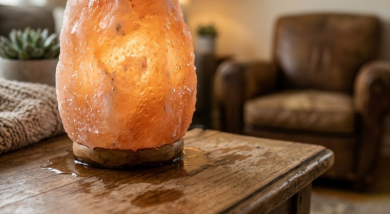
Himalayan salt lamps have become a popular addition to homes, offices, and wellness spaces. Known for their warm glow and calming aesthetic, these lamps are often marketed as tools that can purify air, improve mood, and promote relaxation. While many people enjoy their ambiance, there are growing concerns that improper use or low-quality salt lamps may actually contribute to health issues.
If you’ve recently introduced a salt lamp into your environment and noticed unexplained discomfort, it might be worth taking a closer look. In this article, we’ll explore why your salt lamp might be making you sick, the warning signs to watch for, and how to use these products safely.
How Himalayan Salt Lamps Work
Himalayan salt lamps are made from large chunks of pink salt, usually sourced from the Khewra Salt Mine in Pakistan. A small bulb is placed inside the salt crystal, producing heat and creating a soft amber glow.
Many claims suggest that salt lamps release negative ions that help neutralize pollutants in the air. However, scientific evidence supporting these claims is limited. What is certain, though, is that salt is naturally hygroscopic, meaning it absorbs moisture from the surrounding air.
This property plays a key role in both the benefits and potential drawbacks of salt lamps.
Warning Sign #1: Increased Humidity and Mold Growth
One of the most overlooked issues with salt lamps is their tendency to attract moisture. In humid environments, this can lead to damp surfaces around the lamp.
Over time, this moisture can contribute to:
- Mold growth
- Musty odors
- Damp furniture or walls
Mold spores in the air can cause symptoms like coughing, sneezing, headaches, and even respiratory issues especially for individuals with allergies or asthma.
If you notice moisture forming around your lamp or nearby surfaces, it may be a sign that your salt lamp is affecting your indoor air quality. Many retailers source lamps in bulk from himalayan salt lamp wholesale suppliers, but not all products meet quality standards. Poorly processed salt lamps tend to absorb more moisture and deteriorate faster.
Warning Sign #2: Respiratory Irritation
Some users report experiencing respiratory discomfort after prolonged exposure to salt lamps in enclosed or humid spaces.
This can happen due to:
- Mold spores from excess moisture
- Dust accumulation on damp salt surfaces
- Poor air circulation in the room
While salt itself is not harmful, the conditions created by improper use can negatively impact air quality. If you experience symptoms such as throat irritation, sneezing, or difficulty breathing, it’s important to evaluate your environment.
Warning Sign #3: Headaches or Fatigue
Although salt lamps are often associated with relaxation, some individuals report headaches or fatigue after extended exposure.
Possible reasons include:
- Poor ventilation in the room
- Sensitivity to environmental changes
- Psychological factors or placebo effects
While there is no strong scientific link between salt lamps and headaches, it’s important to listen to your body. If symptoms appear after introducing a salt lamp, try removing it temporarily to see if your condition improves.
Warning Sign #4: Leaking or “Sweating” Lamps
Salt lamps are known to “sweat” or leak water, especially in humid climates. This happens because the salt absorbs moisture from the air and then releases it.
This can lead to:
- Water pooling under the lamp
- Damage to furniture or surfaces
- Electrical hazards if water reaches wiring
If your lamp frequently leaks, it may not only damage your home but also create an unhealthy indoor environment. This is particularly common when using low-quality products or lamps stored in damp conditions.
Warning Sign #5: Allergic Reactions
In some cases, individuals may experience mild allergic reactions around salt lamps. This is usually not due to the salt itself but rather environmental factors such as:
- Dust buildup on the lamp surface
- Mold spores from excess humidity
- Contaminants in low-quality salt products
Symptoms may include:
- Sneezing
- Runny nose
- Itchy eyes
- Skin irritation
Regular cleaning and proper placement can help reduce these risks.
Warning Sign #6: Poor Quality or Fake Salt Lamps
Not all salt lamps on the market are authentic. Some are made from synthetic materials or low-grade salt, which may not have the same properties as genuine Himalayan salt.
Low-quality lamps may:
- Break easily
- Absorb excessive moisture
- Contain impurities
To ensure safety and durability, it’s important to purchase products from trusted sources. Reputable himalayan salt exporters typically provide authentic, high-quality salt sourced directly from natural mines.
Checking product origin, certifications, and reviews can help you avoid counterfeit or substandard lamps.
How to Use a Salt Lamp Safely
Salt lamps can still be a safe and enjoyable addition to your home when used correctly. Here are some simple tips to minimize risks:
1. Keep It in a Dry Area
Avoid placing salt lamps in humid environments like bathrooms or kitchens.
2. Use It Regularly
Keeping the lamp turned on helps reduce moisture buildup by gently warming the salt.
3. Clean It Frequently
Wipe the surface with a dry cloth to remove dust and prevent buildup.
4. Place It on a Protective Surface
Use a tray or coaster to prevent water damage to furniture.
5. Ensure Proper Ventilation
Keep the room well-ventilated to maintain good air quality.
When Should You Remove Your Salt Lamp?
If you notice consistent symptoms such as:
- Persistent coughing or sneezing
- Headaches or fatigue
- Visible mold growth
- Excessive moisture around the lamp
…it may be best to remove the salt lamp temporarily and observe whether your symptoms improve. Your health should always come first.
Final Thoughts
Himalayan salt lamps are widely appreciated for their calming glow and decorative appeal. However, they are not without potential drawbacks especially when used improperly or sourced from low-quality manufacturers.
Issues like excess moisture, mold growth, and poor air quality can contribute to discomfort and even health concerns in some cases. By understanding the warning signs and taking preventive measures, you can enjoy the benefits of your salt lamp without unnecessary risks.
Choosing high-quality products and maintaining a clean, dry environment are key to ensuring your salt lamp remains a safe and pleasant addition to your space.
