


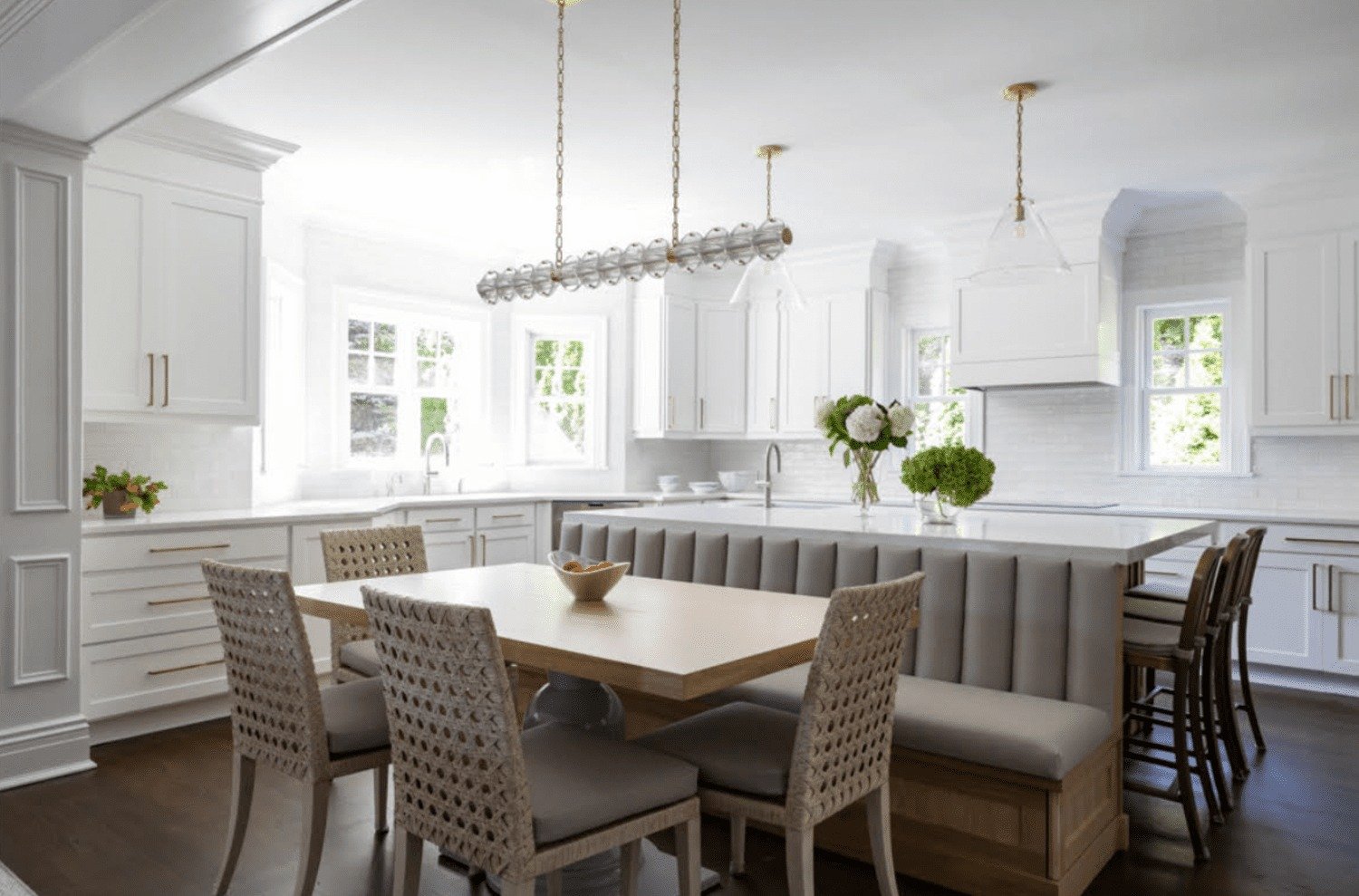
For years, white kitchens have been the default choice. They’ve been marketed as timeless, safe, and universally appealing; a neutral backdrop that supposedly suits every home. But design tastes are shifting. As homes become more personal and emotionally driven, the all-white kitchen is starting to feel less like a classic and more like a compromise.
Colour is quietly reclaiming its place in the heart of the home. And it’s not about loud or chaotic design, it’s about warmth, depth, and spaces that feel lived in rather than staged.
Why White Kitchens Became the Go-To
White kitchens rose alongside open-plan living and minimalist interiors. They photograph well, reflect light, and create a sense of cleanliness that estate agents and developers love.
They also feel like a “safe” choice as they can be easy to sell, neutral enough to avoid strong opinions, and simple to match with most finishes
But safety isn’t always the same as longevity. As more homes lean into personality-led design, stark white kitchens are increasingly criticised for feeling cold, flat, and impersonal.
The Problem With All-White Kitchens
White kitchens aren’t inherently bad, but they do come with drawbacks that are often glossed over.
They show everything. Fingerprints, spills, scuffs, and wear become far more visible, especially in busy households. What starts crisp can quickly feel tired without constant upkeep.
They can also feel clinical. Without variation in tone or texture, white kitchens risk looking more like a showroom than a place where meals are cooked, conversations happen, and life unfolds.
And finally, they lack emotional warmth. Kitchens are social spaces. A room that feels sterile can subtly discourage lingering, hosting, or slowing down.
Why Colour Is Making a Comeback
Colour in kitchens isn’t a trend for the sake of novelty and it reflects a broader shift in how homes are used and valued.
People are craving comfort, individuality, and mood-enhancing spaces. Colour delivers all three.
- Soft greens and blues feel calming and grounded
- Warm neutrals like clay, mushroom, and sand add depth without overpowering
- Deep shades such as forest green, navy, or burgundy bring richness and character
Colour also allows kitchens to feel more connected to the rest of the home, rather than existing as a bright white interruption in an otherwise layered interior.
The Foundation White Kitchens Often Ignore
One of the biggest issues with white kitchens is how disconnected they can feel from the floor beneath them. Bright cabinetry paired with pale flooring often results in a washed-out space with little grounding.
Introducing colour works best when the flooring is treated as part of the design, not an afterthought.
- Warm oak or parquet flooring softens deeper cabinet colours
- Natural wood tones balance painted units and prevent heaviness
- Patterned floors add interest without relying solely on wall colour
- Wood-effect luxury vinyl tiles offers a practical way to introduce warmth and texture, especially in kitchens where durability and water resistance matter
Even subtle shifts, such as choosing honey, smoked, or natural wood tones instead of pale grey, can transform the overall feel of the kitchen.
How to Introduce Colour Without Overcommitting
Embracing colour doesn’t mean diving straight into bold cabinetry across the entire room. There are plenty of measured, low-risk ways to move away from white.
- Choose coloured base units with lighter upper cabinets
- Add colour through islands, pantries, or built-in storage
- Use muted, earthy shades rather than high-saturation tones
- Layer colour with texture: timber, stone, and matt finishes
Even swapping bright white walls for a warm neutral can dramatically change how the space feels, especially when paired with natural flooring.
Is Colour Right for Every Kitchen?
Not every kitchen needs to be bold. Smaller spaces may benefit from softer tones, while darker kitchens need thoughtful lighting. But colour is far more flexible than it’s often given credit for.
The key is intention. Colour works best when it reflects how the space is used and how it’s meant to feel, whether that’s calm, cosy, dramatic, or inviting.
White kitchens aim to please everyone. Colourful kitchens are designed to suit the people who actually live there.
Homes With Personality
The move away from white kitchens mirrors a wider design shift. Homes are becoming less about resale perfection and more about personal comfort.
Colour adds story. It brings warmth. And when paired with thoughtful flooring choices, it creates kitchens that feel grounded, welcoming, and genuinely lived in.
White will always have its place. But colour is what turns a kitchen from a backdrop into a space with soul.
Author Bio:
Sophie Marlowe is a digital content writer and outreach executive for Luxury Flooring. She specialises in crafting engaging blogs on home improvement and home decor with a focus on flooring. Sophie writes handy how-tos, easy guides, and helpful comparisons, letting the reader be informed and inspired to take their home to the next level.
