


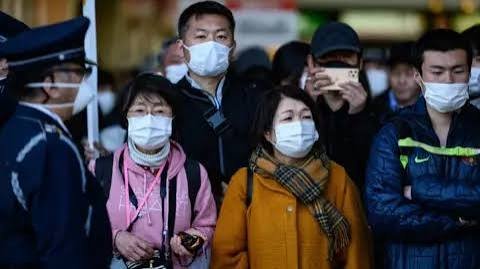
Something has shifted in the way city residents think about the air they breathe. Walk through any major urban centre today and you will notice more people wearing proper filter masks on their morning commute, during their run, or on their bicycle. Not paper disposables left over from the pandemic, but sleek, well-designed reusable masks that look like they belong in 2026. The switch is happening fast, and there are very clear reasons why.
The air quality problem is not going away
Urban air pollution has been a known issue for decades, but public awareness of its daily health impact has grown sharply in recent years. Studies linking long-term exposure to traffic pollution with lung disease, cardiovascular problems, and even cognitive decline have reached mainstream audiences in a way that lab reports never did before. People who never gave a second thought to breathing in diesel fumes on their walk to the office are now reconsidering.
The core culprit is PM2.5, fine particulate matter smaller than 2.5 microns. These particles are invisible to the naked eye and small enough to bypass your body’s natural defences, settling deep in lung tissue and entering the bloodstream. They come from car exhausts, brake dust, construction sites, and even cooking fumes from nearby restaurants. In cities like London, Paris, and Brussels, PM2.5 levels regularly exceed the limits recommended by the World Health Organisation, particularly near busy roads and during peak traffic hours.
For people with asthma, hay fever, or other respiratory conditions, the impact is immediate and severe. For everyone else, the damage is slower and quieter. Either way, the case for protection is strong.
Why disposable masks fell out of favour
After several years of widespread mask wearing during the pandemic, most people’s relationship with disposable surgical masks and paper N95s soured quickly. They were uncomfortable, wasteful, and not particularly effective against the ultra-fine particles that make urban pollution dangerous. Surgical masks are not designed for pollution at all. And while FFP2 and FFP3 disposables offer better filtration, they are expensive to use daily, generate significant waste, and tend to be shaped for industrial environments rather than everyday city life.
The reusable mask category answered all of those objections at once. A well-made reusable mask with replaceable filters costs more upfront but becomes dramatically cheaper per day of use over a season. It creates a fraction of the waste. And the best designs are now comfortable enough to wear for hours without fatigue.
The 5 reusable anti-pollution masks city residents are switching to
1. R-PUR Nano
R-PUR Nano is the brand most frequently cited when people talk about making the switch from disposables to premium reusable masks. Originally developed in Paris for motorcycle riders and urban cyclists exposed to heavy traffic, it has expanded its audience to include commuters, runners, allergy sufferers, and anyone spending significant time outdoors in polluted environments.
The Nano uses a patented multi-layer filtration system capturing particles down to 0.1 microns, exceeding FFP3 standards. The Nano+ adds activated carbon filtration for protection against gases and chemical fumes. What drives the word-of-mouth around R-PUR is not just the filtration numbers but the breathability. Most high-grade filter masks create noticeable breathing resistance. R-PUR has engineered that resistance down to a level that makes long wear genuinely comfortable, which is the practical detail that converts people who have previously given up on masks mid-commute.
Filters last up to 250 hours and the medical-grade silicone shell maintains its seal over time. It also fits under a motorcycle helmet visor and has been tested for use at shooting ranges, making it one of the most versatile options on the market.
2. Airinium
Airinium built its reputation among French urban cyclists before expanding across Europe. The Urban Air Mask filters 99% of fine particles using a replaceable cartridge system, has a comfortable adjustable fit, and comes in a sports version for higher-intensity activity. It sits slightly below R-PUR on raw filtration performance but is a well-respected and reliable daily option for riders and commuters dealing with standard urban pollution.
3. Respro Techno Mask
One of the longest-standing names in the category, Respro has been making pollution masks since the 1990s. The Techno is a neoprene shell mask with interchangeable filter cartridges and a valve system that manages heat and moisture during extended wear. It is a durable, weather-resistant option with a loyal following among motorcycle commuters in particular.
4. Cambridge Mask Pro
A lightweight fabric mask with a three-layer military-grade filtration system combining particulate filter, activated carbon, and nano-silver layers. Popular among frequent travellers and commuters who want portable protection without the bulk of a hard-shell design. Breathability under physical exertion is lower than the silicone options, but for in-transit and light daily use it performs well.
5. Vogmask Organic
The most accessible entry point in this category. Organic cotton exterior with a multi-layer electrostatic filter core handles standard urban particulate matter, pollen, and everyday pollution reliably. Not as technically advanced as R-PUR or Airinium, but a comfortable and practical option for people new to filter masks who want something easy to adopt into their daily routine.
What is driving the switch specifically in 2026
Three converging factors have accelerated the transition this year more than any previous year.
First, awareness campaigns and clean air legislation across the UK and Europe have brought air quality data into daily life in a way it never was before. Many cities now publish real-time AQI readings on public transport screens and local authority websites. When you can see the number, the abstraction disappears and the motivation to protect yourself becomes concrete.
Second, the product quality gap between reusable and disposable masks has widened significantly. The current generation of reusable masks from brands at the top of this category genuinely solves the comfort and usability problems that made earlier versions unpopular. People who tried a filter mask three years ago and gave up are finding that the experience in 2026 is substantially different.
Third, the financial and environmental maths have become impossible to ignore. A daily disposable habit across a six-month allergy and pollution season adds up quickly in both cost and plastic waste. A reusable mask with a replacement filter every few months costs a fraction of that.
The pattern is clear
City residents are not switching because of a passing trend. They are switching because reusable anti-pollution masks now offer genuinely better protection, genuinely better comfort, and genuinely better long-term value than the disposable alternatives most people grew up with. The awareness is there, the products are ready, and the air is not getting any cleaner. For anyone who spends real time outdoors in a city, the only question left is which mask to choose.
