


Introduction
Engineering teams manage an ever-growing number of microservices, clusters, and environments. A small team with a single cluster can handle deployments with relative ease, but as organizations scale, complexity skyrockets.
Without proper coordination, this growth can quickly lead to misconfigurations, security vulnerabilities, and downtime.
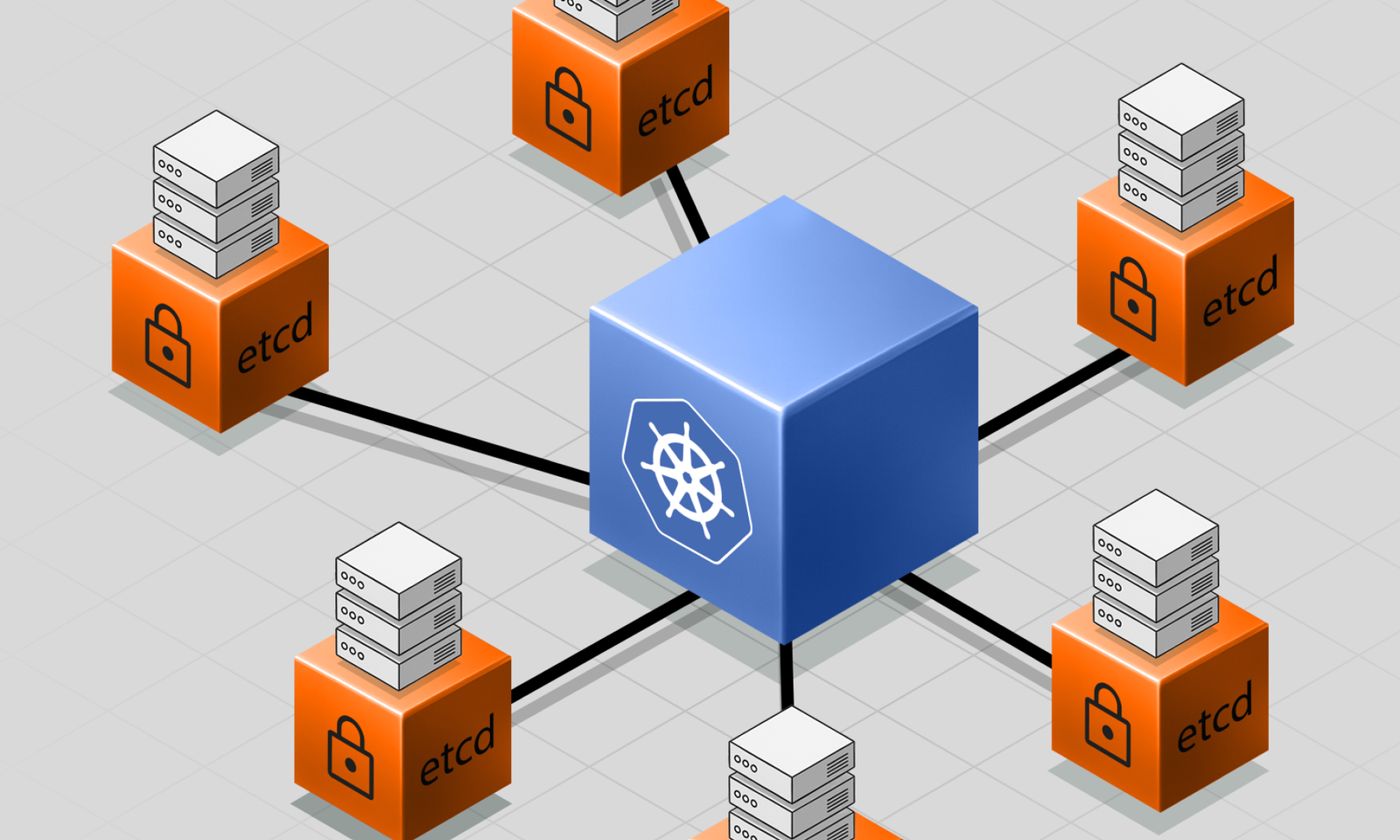
Enter centralized Kubernetes management, the practice of unifying control, visibility, and governance across all Kubernetes clusters.
By centralizing these critical functions, engineering teams can scale their infrastructure safely, improve operational efficiency, and maintain security and compliance.
Let’s explore why centralized Kubernetes management is essential, the risks of neglecting it, and how to implement it effectively.
The Scale Challenge, Why Ad-hoc Management Breaks Down
As organizations grow, their Kubernetes infrastructure grows with them. Managing multiple clusters without central oversight quickly becomes chaotic.
Growing number of clusters and workloads
Many organizations deploy multiple clusters across development, staging, production, and even multi-cloud environments.
Each cluster brings unique configurations, access rules, and resource constraints.
Tracking all this manually is not only time-consuming but also error-prone.
Risk of configuration drift and inconsistent practices
Teams often have different approaches to naming conventions, resource quotas, and security policies. This leads to configuration drift, where clusters behave inconsistently.
The result?
One cluster might be overloaded while another is underutilized, causing performance bottlenecks and unnecessary resource consumption.
Security and compliance surface grows exponentially
As clusters multiply, so do access points, secrets, and network rules.
Without centralized oversight, managing security and compliance becomes increasingly difficult, leaving organizations exposed to potential breaches and regulatory violations.
Given these challenges, relying on manual scripts or ad-hoc commands is unsustainable.
Engineering teams increasingly turn to centralized Kubernetes management to maintain control and reduce risk.
What Centralized Kubernetes Management Actually Delivers
Centralized Kubernetes management acts like a control tower for complex infrastructure.
It provides visibility, standardization, automation, and guardrails that make scaling safe and efficient.
Unified visibility and control
A central management platform offers a dashboard that consolidates information from all clusters, whether on-premises, in the cloud, or hybrid.
Teams can monitor workloads, node health, deployments, and resource usage from a single view, making anomaly detection faster and more effective.
Standardized policies and governance
Global policies for resource quotas, network settings, RBAC, and security configurations can be enforced consistently.
This ensures that all clusters adhere to the same standards, minimizing configuration drift and improving compliance.
Automation and reduced human error
Routine tasks like cluster provisioning, scaling, patching, and upgrades can be automated, reducing the risk of manual mistakes.
Automation accelerates deployment, simplifies rollbacks, and allows engineers to focus on innovation rather than firefighting.
Security, auditing, and compliance baked in
Centralized management allows for consolidated logging, access auditing, and security monitoring across all clusters.
Teams can track who made what changes, enforce consistent security policies, and meet regulatory requirements more easily.
These benefits become especially crucial as Kubernetes adoption skyrockets worldwide, making central management a strategic necessity rather than a luxury.
The Big Picture- Kubernetes Adoption Is Booming
Kubernetes is no longer a niche technology; it is now the backbone of container orchestration for enterprises globally.
Adoption and market dominance
Over 60% of enterprises have adopted Kubernetes, and it commands about 92% of the container orchestration market share. Nearly 40,000 companies worldwide use Kubernetes in production.
Enterprises run multiple clusters and complex workloads
Many organizations operate multiple clusters across development, staging, and production, often spanning hybrid and multi-cloud environments.
Workloads can range from AI/ML pipelines to high-availability services, increasing operational complexity.
Growth trends, scaling, multi-cloud, hybrid, and diversified workloads
Organizations increasingly deploy cloud-native applications in hybrid environments.
Kubernetes supports flexible infrastructure deployment, making it a natural choice for enterprises aiming for scalability and reliability.
With adoption rising, the risks of unmanaged clusters grow in parallel and the consequences of ad-hoc management become more pronounced.
The Hidden Risks of Not Centralizing Kubernetes Management
While some teams initially operate fine with decentralized cluster management, the risks compound as scale increases.
Operational inefficiency and duplication of efforts
Multiple teams may write redundant scripts for deployments, scaling, and monitoring, wasting time that could be better spent building new features.
Increased probability of downtime or outages
Without centralized monitoring and standardized workflows, misconfigurations can cause outages or degraded performance. Inconsistent rollback procedures further slow incident resolution.
Security vulnerabilities and compliance gaps
Manual management increases the likelihood of misconfigurations like open ingress points or weak RBAC policies. Centralized auditing becomes difficult, increasing the risk of non-compliance.
Scaling bottlenecks and team management overhead
Managing clusters manually becomes a bottleneck for DevOps teams. Onboarding new teams or clusters is cumbersome without standardized, centralized processes.
How to Implement Centralized Kubernetes Management- Best Practices
Adopting centralized Kubernetes management requires strategy, tools, and best practices.
Start with a central “control plane” or management platform
Choose a platform that supports multi-cluster orchestration, visibility, RBAC, and policy enforcement. Standardize templates and configurations for clusters, ensuring consistency across environments.
Define and enforce global policies and governance rules
Establish baseline rules for resource quotas, naming conventions, network policies, and secrets management. Enforce these policies globally to maintain consistency and compliance.
Automate everything: provisioning, deployment, scaling, updates, rollbacks
Automation reduces manual errors and accelerates delivery. CI/CD pipelines, deployment scripts, monitoring, and alerting should be standardized across clusters.
Centralized monitoring, logging, alerting, and auditing
Consolidate logs, metrics, and alerts into a single dashboard. Implement audit trails for all cluster changes, making security and compliance reporting straightforward.
Offer shared but secure governance autonomy with guardrails
Teams retain autonomy within namespaces while critical infrastructure configurations remain centrally controlled.
Role-based access control ensures flexibility without compromising safety.
While centralized management offers significant advantages, it’s important to recognize situations where it may not be necessary.
When Centralized Kubernetes Management Might Not Fit
Centralization isn’t always the answer. Small teams or simple projects may find it introduces unnecessary overhead.
Team size, architecture complexity, and project scale
Small teams with one or two services and a single cluster may not require a centralized platform. Simple architectures can function efficiently without it.
Resources and expertise available
Centralization requires investment in tools, training, and platform engineering. Teams lacking Kubernetes expertise may struggle with implementation.
Flexibility vs. control- need for autonomy by teams
Over-governance can slow experimentation. Teams may require autonomy for rapid iteration, which centralized systems can restrict.
Organizational culture and maturity
Mature DevOps practices benefit most from centralization. Early-stage or startup teams may prioritize agility over formalized controls.
Even with these caveats, most growing engineering teams eventually reach the point where centralization becomes essential.
Conclusion
As engineering teams scale, Kubernetes clusters multiply, and complexity increases.
Without centralized oversight, misconfigurations, inefficiencies, and security gaps become inevitable.
Centralized Kubernetes management offers unified visibility, standardization, automation, and compliance, acting as the control tower that keeps distributed infrastructure safe and efficient.
While smaller teams or simpler projects may not need it immediately, for organizations aiming to scale safely and sustainably, centralization is a must.
Engineering leaders should ask themselves:
Is our infrastructure growing faster than our ability to manage it?
If the answer is yes, centralized Kubernetes management isn’t optional, it’s the foundation of scalable, secure, and efficient operations.
