


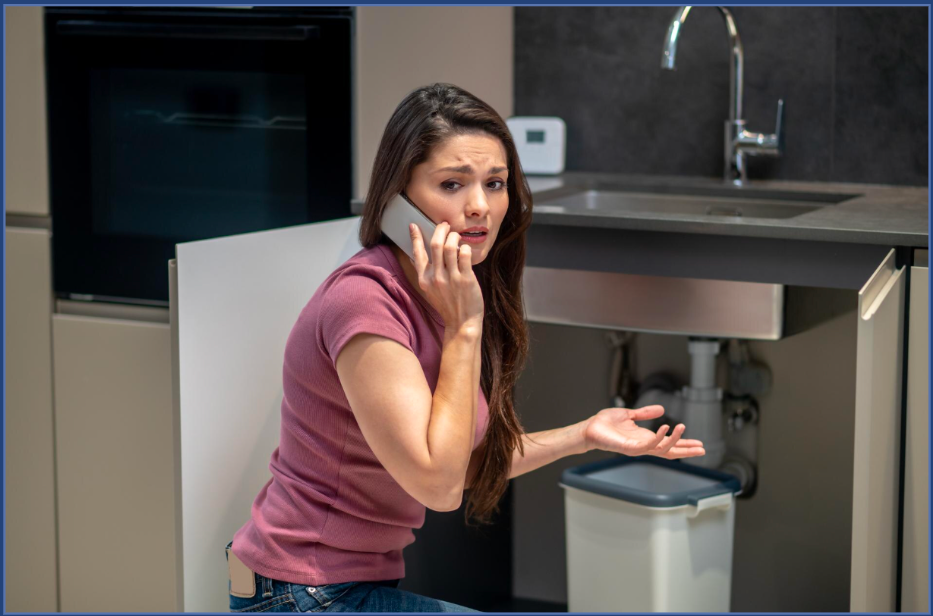
The most common causes of household leaks are worn-out pipes, faulty fixtures, high water pressure, and aging plumbing connections.
According to a professional plumber who does almost daily leak repair Lakewood CO, “After years in the plumbing business, I’ve seen just about every type of leak you can imagine. I’ve crawled under houses at 2 AM, torn open walls, and helped homeowners who discovered water damage that cost thousands to fix. The thing is, most of these problems could have been prevented if people knew what to look for.”
Let me tell you something that might surprise you. According to the EPA’s WaterSense program, household leaks waste more than 1 trillion gallons of water each year nationwide. That’s enough water for 11 million homes. Most of these leaks come from the same handful of problems.
Whether you need leak repair Lakewood CO or you’re just trying to understand your plumbing better, knowing these common causes can save you serious money and headaches.
The Toilet Flapper – The Silent Water Waster
This is hands down the most common leak I fix. The toilet flapper is that rubber seal at the bottom of your tank. When you flush, it lifts up to let water into the bowl. Then it drops back down to seal everything up again.
Here’s what happens over time. That rubber gets old. Chemicals in your water eat away at it. Mineral deposits build up on the edges. The flapper stops sealing tight. Water just keeps trickling from the tank into the bowl. You might not even hear it.
I had a customer last month who couldn’t figure out why her water bill doubled. No visible leaks anywhere. We did the food coloring test – put a few drops in the tank, waited ten minutes, and there it was. Color in the bowl without flushing. Classic flapper leak. A running toilet can waste as much as 200 gallons of water or more per day.
How to spot it: Listen carefully when nobody’s using water. Do you hear a faint hissing? Does your toilet randomly run for a few seconds? Put food coloring in the tank. If it shows up in the bowl within 15 minutes without flushing, you’ve got a leak.
Why it happens: Chlorine in your water breaks down rubber. Hard water leaves mineral buildup. The chain gets tangled. Sometimes people just buy cheap flappers that don’t last. I’ve pulled out flappers that were so deteriorated they crumbled in my hand.
The fix: Replacing a flapper takes about 10 minutes and costs less than $10. Turn off the water, drain the tank, unhook the old flapper, and snap on the new one. Make sure you get the right size for your toilet model.
Dripping Faucets – Small Drips, Big Waste
I know what you’re thinking. It’s just a few drops. How bad can it be?
A leaky faucet that drips at the rate of one drip per second can waste more than 3,000 gallons per year. That’s enough for 180 showers. One drip per second doesn’t sound like much, but it adds up fast.
The problem is usually the washer or O-ring inside the faucet. Every time you turn the handle, these parts wear down a little. They compress, crack, or get mineral buildup. Eventually, they can’t seal properly.
Common causes:
- Worn washers in compression faucets
- Damaged O-rings in cartridge faucets
- Corroded valve seats
- Loose parts from constant use
- Hard water eating away at seals
I see a lot of kitchen faucets leak because people use them constantly. They turn them on and off dozens of times a day. That wear adds up. Bathroom faucets often leak because nobody notices the slow drip until the water bill arrives.
What to look for: Drips when the faucet is off. Water pooling under the sink. Stains on the basin under the spout. Sometimes you’ll hear dripping at night when everything else is quiet.
Leaky Showerheads – More Than Just Annoying
That drip-drip-drip after you turn off the shower? Most people ignore it. Big mistake.
A showerhead leaking at 10 drips per minute wastes more than 500 gallons per year. That’s 60 loads of dishes worth of water going down the drain.
The connection between your showerhead and the pipe arm is sealed with Teflon tape and a rubber washer. Over time, that seal breaks down. The threads get worn. The washer hardens and cracks. Water finds its way through.
Why showerheads leak:
- Old, hardened washers
- Missing or damaged Teflon tape
- Cross-threaded connections from improper installation
- Corroded threads on the pipe arm
- Cheap showerheads with poor quality seals
Sometimes the leak is inside the showerhead itself. Mineral buildup blocks the spray pattern and creates pressure that forces water through seals. In hard water areas, I’ve seen showerheads so clogged that water backed up and leaked everywhere.
The solution: Usually, you can fix this by unscrewing the showerhead, wrapping the threads with fresh Teflon tape, and replacing the washer. Tighten it back on with a wrench. If the showerhead itself is damaged, replace it with a WaterSense labeled model.
Water Heater Leaks – The Expensive Emergency
This one scares homeowners, and for good reason. A leaking water heater can dump dozens of gallons into your basement or utility room before you even notice.
Water heaters leak for several reasons. The temperature and pressure relief valve fails. Corrosion eats through the tank. The drain valve at the bottom stops sealing. Connections at the top get loose.
Main causes of water heater leaks:
- Corroded tanks (usually 10+ years old)
- Faulty pressure relief valves
- Loose inlet or outlet connections
- Failed drain valves
- Sediment buildup creating pressure problems
- Cracked dip tubes
I’ve responded to emergency calls where a water heater tank completely failed. The whole bottom rusted through. Water everywhere. Destroyed boxes, furniture, drywall. The repair bill went way beyond just replacing the heater.
Warning signs: Water pooling around the base. Rust stains on the tank. Dripping from connections. Strange noises like popping or hissing. If your water heater is over 10 years old and showing any of these signs, have a professional check it out.
Supply Line Failures – The Hidden Danger
Those flexible hoses under your sinks, behind your toilets, and connected to your washing machine? They don’t last forever.
I’ve seen braided steel lines burst. I’ve seen rubber hoses crack and spray water across laundry rooms. These failures happen suddenly and cause major damage. HomeAdvisor found that water damage in a home can cost between $1,300 to nearly $6,000, with an average cost of more than $3,500, to clean up and repair.
Why supply lines fail:
- Age – rubber and plastic dry out over 5-10 years
- Constant water pressure weakens connections
- Braided lines develop pinhole leaks
- Cheap materials that can’t handle normal pressure
- Over-tightening during installation cracks fittings
- Corrosion at connection points
Most people never think about these lines until they fail. I recommend replacing washing machine hoses every five years. Check all visible supply lines regularly. If you see bulging, cracks, or corrosion, replace them immediately.
Pro tip: Upgrade to stainless steel braided lines. They cost a bit more but last much longer than rubber or plastic. And always turn off supply valves when you’re away from home for extended periods.
Pipe Joint Leaks – The Slow Destroyers
Pipes connect with threaded joints, soldered joints, or compression fittings, and sourcing durable components from a trusted Utility Pipe Supply plays a big role in preventing joint leaks. Any of these can leak.
Threaded joints rely on Teflon tape or pipe dope to seal. Over time, temperature changes cause pipes to expand and contract. Connections loosen. Seals break down. Water finds the smallest gap.
Soldered copper joints can fail too. The solder develops pinhole leaks. Corrosion eats through at the joint. Vibration from water hammer weakens the connection.
Common joint leak causes:
- Corroded threads
- Failed sealant
- Thermal expansion and contraction
- Poor original installation
- Water chemistry attacking metal
- Vibration loosening connections
These leaks often start small. You might see a tiny wet spot on drywall. A small stain on the ceiling. By the time you notice, water has been leaking for weeks or months. I’ve opened walls to find studs completely rotted from slow leaks.
What to watch for: Water stains. Musty smells. Peeling paint. Warped floors. Unexplained increases in your water bill. If you suspect a hidden leak, check your water meter. Turn off all water in the house. If the meter is still moving, you’ve got a leak somewhere.
Washing Machine Hose Failures – A Flood Waiting to Happen
I get called out for burst washing machine hoses more than I’d like to admit. These failures dump water fast.
Washing machines vibrate. They cycle hot and cold water. The hoses experience constant pressure changes. They flex every time the machine runs. All this stress takes a toll.
Why washing machine hoses fail:
- Rubber deteriorates after 3-5 years
- Constant vibration loosens connections
- Hot water accelerates rubber breakdown
- Cheap hoses can’t handle the stress
- Buildup inside hoses restricts flow and increases pressure
I’ve seen entire finished basements flooded from a failed washing machine hose. Thousands of dollars in damage from a $15 part that nobody thought to replace.
Prevention: Replace washing machine hoses every five years. Use reinforced stainless steel braided hoses. Make sure connections are tight but not over-tightened. Consider installing a leak detector near your washing machine.
Outdoor Spigot and Hose Leaks – The Seasonal Problem
Every spring, I get calls about outdoor faucets that won’t stop dripping. Every fall, I get calls about burst pipes from freeze damage.
Outdoor spigots take a beating. They freeze in winter. They bake in summer sun. The washers inside dry out and crack. The packing around the stem fails.
Garden hoses develop leaks at the connections. The rubber washers inside the couplings get hard. An irrigation system that has a leak 1/32nd of an inch in diameter can waste about 6,300 gallons of water per month.
Outdoor leak causes:
- Freeze damage to pipes and faucets
- Failed washers in hose connections
- Cracked hose bibs from UV exposure
- Damaged vacuum breakers
- Loose packing nuts
- Corroded stems
Seasonal tips: Before winter, disconnect all hoses. Drain outdoor faucets. If you have shut-off valves inside for outdoor faucets, close them and drain the lines. In spring, check all connections before you start watering. Replace any worn washers in your hose couplings.
Under-Sink Leaks – The Sneaky Water Wasters
People store stuff under their sinks. Cleaning supplies, trash cans, old rags. These items hide leaks until they cause serious damage.
The trap under your sink has several connection points. The tailpiece from the drain. The P-trap itself. The waste arm going into the wall. Each connection can leak.
Why under-sink leaks happen:
- Loose slip nuts at connections
- Worn gaskets in the P-trap
- Corroded metal traps
- Damaged disposal connections
- Supply line failures
- Cracked drain baskets
I’ve found under-sink leaks that went unnoticed for months. The bottom of the cabinet was completely rotted. Mold growing everywhere. All because nobody looked under there regularly.
How to check: At least once a month, empty everything from under your sinks. Look for water stains. Feel the pipes while someone runs water. Check the cabinet bottom for soft spots. Tighten any loose connections. Replace corroded parts before they fail completely.
What You Can Do Right Now
You don’t need to be a plumber to prevent most leaks. Here’s what I tell every homeowner:
Check your water meter. Turn off everything that uses water. Wait two hours. Check the meter again. If it moved, you’ve got a leak somewhere.
Look under all your sinks monthly. Feel along pipes for dampness. Check for stains or soft spots in cabinets.
Test your toilets with food coloring every few months. It takes five minutes and can save you hundreds on your water bill.
Replace supply lines before they fail. Don’t wait for a problem. Set a reminder to replace washing machine hoses every five years.
Know where your main water shut-off is. Make sure everyone in your family knows too. When a pipe bursts, every second counts.
Listen to your house. That drip you’ve been ignoring? It’s costing you money. That running toilet? Fix it now, not later.
When to Call a Professional
Some leaks are DIY projects. Others need expert help. Call a plumber when:
- You can’t find the source of the leak
- Water is coming through walls or ceilings
- The leak is in your main water line
- Your water heater is leaking
- You have multiple leaks appearing at once
- Repairs require soldering or cutting pipes
- You smell gas near a water heater leak
Don’t mess around with hidden leaks or major failures. The money you save trying to fix it yourself isn’t worth the risk of making it worse.
The Bottom Line
Most household leaks come from simple wear and tear. Rubber parts get old. Seals fail. Connections loosen. The good news? You can prevent most of them with regular checks and basic maintenance.
Ten percent of homes have leaks that waste 90 gallons or more per day. Don’t let your home be one of them. Take a few minutes each month to check for problems. Replace worn parts before they fail. Pay attention to your water bill.
A small leak today becomes a big problem tomorrow. That dripping faucet seems harmless until you see your water bill. That slow toilet leak doesn’t seem urgent until you’re dealing with water damage. That old washing machine hose works fine until it bursts and floods your laundry room.
Fix leaks when they’re small. Maintain your plumbing regularly. Know the warning signs. Your wallet and your home will thank you.
