



Achieving balanced and proportionate body contours is one of the main reasons individuals consider cosmetic surgery. While procedures often focus on a single area, the overall harmony of the body is just as important as improvement in one region. This is particularly relevant for patients considering tummy tuck surgery in London, especially when body proportions are also influenced by concerns in the chest area that may be addressed through gynaecomastia surgery in London. Understanding how to plan, assess, and approach surgery with proportion in mind is essential for natural and satisfying outcomes.
Understanding Body Proportion in Cosmetic Surgery
Why Proportion Matters
Body proportion refers to how different areas of the body relate to one another in size, shape, and balance. When one area is surgically improved without considering others, the result can appear uneven. For example, a flatter abdomen following tummy tuck surgery may draw attention to untreated areas such as the chest or flanks.
Proportionate results focus on balance rather than dramatic change, helping outcomes appear more natural and in line with the individual’s overall physique.
Individual Anatomy and Body Shape
Every patient has a unique body structure influenced by genetics, lifestyle, age, and weight changes. Surgeons assess factors such as waist-to-hip ratio, chest width, skin elasticity, and fat distribution to determine what proportionate results look like for each individual.
This personalised assessment is particularly important when multiple areas are affected by weight loss, ageing, or hormonal changes.
The Role of Tummy Tuck Surgery
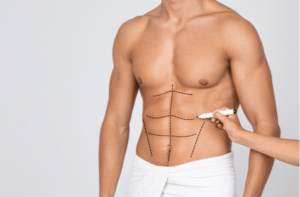
What Tummy Tuck Surgery Addresses
Tummy tuck surgery focuses on removing excess skin and tightening weakened abdominal muscles. It is commonly chosen by individuals after significant weight loss or pregnancy, where the abdomen may not return to its previous shape through diet and exercise alone.
Tummy tuck surgery in London is often part of a broader body contouring plan rather than a standalone procedure.
Setting Realistic Goals
A tummy tuck improves abdominal contour, but it does not change overall body shape on its own. Patients who understand the scope of the procedure are better positioned to achieve proportionate outcomes.
Clear communication during consultation helps align expectations with what surgery can realistically achieve.
Considering Chest Proportion in Male Patients
Understanding Gynaecomastia
Gynaecomastia refers to the enlargement of male breast tissue, which can disrupt overall body balance. When the chest appears prominent in relation to a flatter abdomen, the contrast may become more noticeable after abdominal surgery.
This is why some patients consider gynaecomastia surgery in London as part of a broader approach to improving body proportions.
How Chest and Abdomen Work Together
The chest and abdomen are visually connected. Improving one area without addressing the other can affect perceived balance. For male patients, addressing both abdominal contour and chest shape can contribute to a more cohesive overall appearance.
This does not mean both procedures are always required, but awareness of their relationship supports better planning.
Pre-Surgery Planning for Proportionate Results
Comprehensive Consultation
A thorough consultation allows the surgeon to assess the entire body rather than focusing solely on the abdomen. Discussion often includes posture, fat distribution, skin quality, and lifestyle factors.
Photographic assessment and physical examination help identify areas that may influence the final outcome.
Honest Discussion About Priorities
Patients benefit from openly discussing which areas concern them most and what level of change they are comfortable with. Some may prioritise abdominal tightening, while others are more concerned about chest contour or waist definition.
Clear priorities help guide a balanced surgical plan.
Considering Combined or Staged Procedures
In some cases, combining procedures can support proportionate results. In others, staging surgeries over time may be safer and more appropriate. The decision depends on overall health, recovery capacity, and personal circumstances.
Surgeons assess these factors carefully to prioritise safety and long-term satisfaction.
Surgical Technique and Proportion
Tailoring the Tummy Tuck Approach
Not all tummy tucks are the same. The extent of skin removal, muscle tightening, and incision placement is adjusted based on body shape and proportion goals.
A tailored approach helps avoid over-tightening or excessive flattening that may look unnatural in relation to the rest of the body.
Maintaining Natural Contours
A proportionate abdomen retains some natural curvature rather than appearing overly flat. Surgeons aim to enhance shape while respecting natural anatomy.
This approach supports results that align with the chest, hips, and overall frame.
Recovery and Its Impact on Proportion
Allowing Time for Swelling to Settle
Swelling can temporarily distort proportions in the early recovery period. The abdomen may appear tight or uneven, and surrounding areas may look more prominent by comparison.
Understanding that proportions will continue to evolve over several months helps patients remain patient during recovery.
Post-Surgical Support
Wearing compression garments as advised supports healing and helps tissues settle into their new contours. Proper support plays a role in achieving balanced results.
Activity restrictions and gradual return to exercise are also important in maintaining proportion during healing.
Lifestyle Factors That Support Balanced Results
Weight Stability
Maintaining a stable weight is essential for preserving proportionate results. Significant weight fluctuations can affect both abdominal and chest contours, potentially altering surgical outcomes.
Healthy eating habits and consistent physical activity support long-term balance.
Muscle Tone and Posture
Improved core strength and posture can enhance the visual impact of tummy tuck surgery. Good posture supports alignment between the chest and abdomen, reinforcing proportionate appearance.
Patients are often advised to wait until healing is complete before resuming strength training.
Emotional Considerations and Body Image
Understanding Motivation
Patients seeking proportionate results often have a clear motivation related to comfort, clothing fit, or confidence. Reflecting on these motivations helps ensure decisions are based on personal goals rather than external pressure.
Emotional readiness contributes to satisfaction with results.
Setting Long-Term Expectations
Cosmetic surgery enhances appearance but does not stop the natural ageing process. Proportionate results are best viewed as an improvement rather than perfection.
Realistic expectations support positive emotional outcomes.
Choosing the Right Surgical Approach

Experience and Assessment
Achieving proportion requires careful assessment and experience. Surgeons consider how different areas of the body interact visually and structurally.
This approach supports outcomes that look cohesive rather than isolated to one area.
Individualised Treatment Plans
There is no universal formula for proportion. Individualised planning ensures that tummy tuck surgery in London, with or without consideration of gynaecomastia surgery in London, aligns with the patient’s unique body shape and goals.
Ongoing Communication
Clear communication before and after surgery allows concerns to be addressed promptly and supports smooth recovery.
Final Thoughts
Achieving proportionate results with tummy tuck surgery in London involves more than improving the abdominal area alone. Understanding how the abdomen relates to other regions, particularly the chest, helps patients make informed decisions about their treatment plan. For some individuals, considering gynaecomastia surgery in London as part of a broader body contouring strategy may support improved balance and harmony. With thoughtful planning, realistic expectations, and attention to recovery and lifestyle factors, patients can achieve outcomes that feel natural, balanced, and aligned with their overall physique.
