



Challenging exercise puts stress on your muscles, and your body requires time to recover and rebuild. Beyond sleep and a healthy diet, using a sauna can be a proven and powerful aid in the recovery process. From ancient Roman bathhouses to modern fitness centers, heat therapy has long been recognized for its restorative properties.
Today, saunas are becoming a popular recovery choice among athletes and fitness-minded individuals. But what exactly makes sitting in a hot room so beneficial after exercise? Let’s examine how sauna sessions can support your recovery and improve your overall training experience.
Understanding Sauna Recovery
Sauna recovery refers to the practice of using heat exposure to support the body’s natural healing processes after physical activity.
Spending time in a sauna after exercise triggers heat responses in your body that can help support faster recovery.
During a sauna session, you sit in a space where the temperature usually falls between 150°F and 195°F (65°C to 90°C). This heat exposure triggers several physiological responses that can benefit tired, stressed muscles and help the body bounce back more effectively.
How Heat Affects Your Post-Workout Body
When you exercise, your muscles experience microscopic damage and inflammation. It’s a natural part of muscle development, and it’s the reason you often feel sore the following day. The recovery period is when your body repairs this damage and adapts to become stronger.
A post-workout sauna session works by increasing blood circulation throughout the body. Warming the body naturally boosts circulation, delivering more oxygen to muscles that are in recovery. At the same time, circulation helps clear out waste byproducts from exercise that can trigger muscle discomfort.
The heat also promotes sweating, which serves as another pathway for the body to eliminate toxins and waste products. Even though sweating doesn’t directly accelerate healing, it supports the body’s natural ability to cool down and remove impurities.
The Benefits of Muscle Recovery Sauna Sessions
Using a muscle recovery sauna strategy offers several advantages that go beyond just feeling relaxed:
Reduced Muscle Soreness
As mentioned earlier, a major benefit is that it can help reduce the muscle pain that shows up after training. The heat helps relax tense muscles and may decrease the intensity of post-workout soreness. Many people find that regular sauna use helps them feel less stiff and more mobile the day after challenging workouts.
Improved Flexibility
Warm muscles are more pliable than cold ones. The heat from a sauna can temporarily increase flexibility and range of motion, making it an ideal time for gentle stretching. This increased flexibility can help prevent injuries and improve overall mobility.
Stress Relief and Mental Recovery
The body’s healing process is just one part of the overall picture. Mental stress can impact how well the body recovers from exercise. Stress management is an important part of supporting overall recovery.
Sauna sessions provide a quiet space to unwind, which can lower stress hormones like cortisol. This mental relaxation is just as important as the physical benefits.
Better Sleep Quality
Quality sleep is essential for recovery, and sauna use may help improve it. Using a sauna before bed can enhance this effect. After leaving the sauna, the natural drop in body temperature can encourage your body to enter a restful state, making sleep more effortless and restorative.
Enhanced Cardiovascular Conditioning
Regular sauna use has been shown to place mild stress on the cardiovascular system, similar to light exercise. Over time, this can improve heart health and endurance, complementing your workout efforts.
Best Practices for Post-Workout Sauna Use
To get the most benefit from sauna recovery while staying safe, consider these guidelines:
Choose the Right Timing
Give your body a brief pause of 10–15 minutes post-workout before stepping into the sauna. Your heart needs this time to return to a more normal rhythm, and your body can start its natural cooldown. Heading directly from an intense training session into high heat puts unnecessary strain on your heart and circulation.
Make Hydration a Priority
Water intake is critical when combining exercise with sauna use. Your body has already depleted its fluid reserves during training, and exposure to heat will accelerate this loss.
Keep a water bottle handy and drink generously before your session begins, after you finish, and even during if possible. Electrolyte drinks can be particularly helpful for replacing the sodium, potassium, and other minerals that leave your body through sweat.
Ease Into It Gradually
First-time sauna users should take a conservative approach. Begin with brief 5-10 minute sessions and slowly extend the duration as your body adapts. Working up to 15-20 minutes over several weeks is perfectly fine. The goal is comfort, not endurance — there’s nothing to gain by forcing yourself to stay longer than feels right.
Pay Attention to Warning Signs
Your body lets you know when something isn’t working as it should. Feelings of lightheadedness, nausea, or general discomfort are signals to exit immediately and cool down.
Everyone experiences heat uniquely, so don’t be surprised if what feels easy for someone else is too much for you.
End With a Gradual Cooldown
Once your sauna session ends, resist the urge to shock your system with cold water. A gradual temperature transition works best — try a lukewarm shower to bring your body temperature down steadily. While some fitness enthusiasts swear by contrast therapy (switching between hot and cold temperatures), this technique requires caution and isn’t essential for gaining recovery benefits.
Who Should Be Cautious?
While sauna recovery can benefit many people, certain individuals should exercise caution or avoid saunas altogether:
- People with cardiovascular conditions should consult their doctor before using a sauna
- Pregnant women should avoid high-heat environments
- Those taking medications that affect blood pressure or heart rate should seek medical advice
- Anyone feeling unwell, dehydrated, or exhausted should skip the sauna
If you’re uncertain about whether using a sauna is safe for you, consult your healthcare professional.
Integrating Sauna Into Your Recovery Routine
The key to benefiting from post-workout sauna sessions is consistency. Using the sauna occasionally might feel nice, but regular use is what produces lasting benefits. Many athletes incorporate sauna sessions 2-4 times per week after their most intense training days.
It’s important to remember that saunas work best as one component of a broader fitness and recovery strategy. Proper nutrition, adequate sleep, appropriate rest days, and good training programming are all essential. The sauna is a valuable tool, but it’s not a replacement for these fundamentals.
Different Types of Saunas
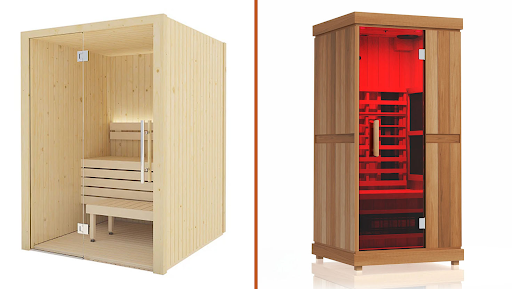
Source: SaunaHeaters.com
While traditional dry saunas are most common, other options exist:
- Traditional Finnish saunas: These rely on dry heat generated by a stove, with the option to pour water over hot stones for brief bursts of humidity.
- Infrared saunas: These use infrared light waves to warm your body directly and typically run at more moderate temperatures than traditional options.
- Steam rooms: These create a humid, moist heat environment and deliver comparable recovery benefits with a noticeably different feel.
Different types appeal to different people, so the best selection is usually guided by your personal liking and what’s on hand. The recovery benefits are similar across different sauna types, though the experience varies.
Final Thoughts
Including sauna time after workouts can make a significant difference in how quickly your body recovers. The combination of improved circulation, muscle relaxation, stress relief, and enhanced sleep quality makes the muscle recovery sauna approach worth considering for anyone serious about their fitness.
That said, saunas aren’t magical. They won’t compensate for inadequate rest, poor nutrition, or overtraining. Consider them a key element in a balanced approach to recovery.
From elite athletes to casual fitness enthusiasts, sauna recovery can support faster healing, reduce fatigue, and help you make the most of your training. Start slow, drink plenty of water, and pay attention to your body’s signals.
For ages, people have turned to heat for healing, and modern science supports its benefits. Often, the most effective recovery comes from simply unwinding and allowing the heat to aid your body.
Author Bio
Mark Adams is the resident sauna expert at SaunaHeaters.com, where he shares practical tips and advice on sauna heaters, maintenance, and wellness. He firmly believes that life’s best moments happen somewhere between a good steam and an ice-cold plunge.
