


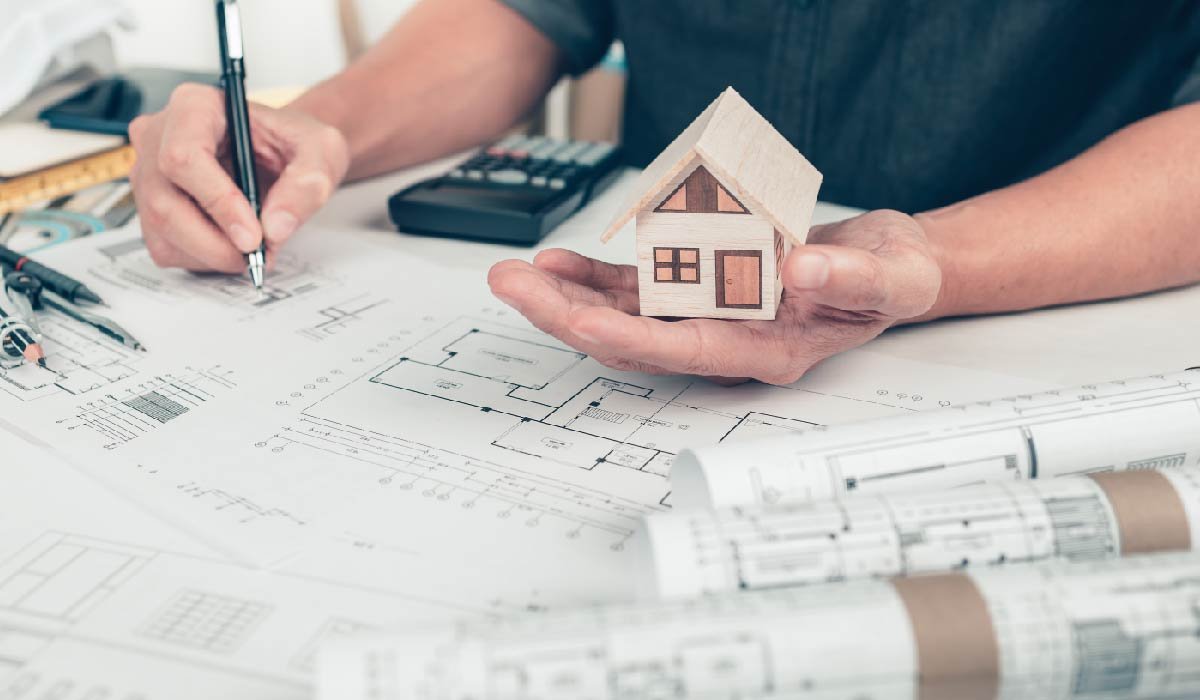
Building a custom home in Austin is an exciting opportunity to create a living space that reflects your lifestyle, aesthetic preferences, and long-term goals. With its booming housing market, diverse neighborhoods, and unique Hill Country terrain, Austin presents both incredible possibilities and important considerations for homeowners embarking on a custom build. Understanding the custom home building process step by step can help you navigate decisions with confidence, avoid costly mistakes, and ultimately enjoy a smoother, more rewarding experience.
This comprehensive guide walks through the full custom home building process in Austin from early planning and land selection to design, construction, and final walkthrough while highlighting what makes the region unique and how experienced builders like Seven Custom Homes help clients achieve exceptional results.
Understanding the Austin Custom Home Market
Austin’s real estate landscape is unlike most other cities in Texas. Rapid growth, strong demand for luxury housing, and a mix of urban, suburban, and Hill Country properties all influence how custom homes are designed and built. Zoning regulations, environmental protections, HOA guidelines, and permitting requirements can vary significantly depending on location, whether you’re building in West Lake Hills, Lakeway, Bee Cave, or closer to downtown Austin.
Because of these variables, building a custom home here requires more than just a general contractor; it requires a builder with deep local knowledge, strong relationships with architects and engineers, and experience navigating Austin’s regulatory environment.
Step 1: Defining Your Vision and Goals
Every successful custom home begins with a clear vision. Before architectural drawings or budgets are discussed, homeowners should spend time defining what they want and need from their future home.
This stage involves evaluating lifestyle priorities such as family size, entertaining needs, work-from-home requirements, and long-term plans. You’ll also want to consider architectural style preferences, energy-efficiency goals, outdoor living spaces, and smart home features. In Austin, outdoor living areas like covered patios, outdoor kitchens, and pool environments are often as important as interior spaces due to the region’s climate.
Working with an experienced custom builder early in this phase helps translate ideas into realistic goals, ensuring that your vision aligns with site conditions, budget expectations, and local regulations.
Step 2: Budget Planning and Financial Preparation
Setting a realistic budget is one of the most critical steps in the custom home building process. In Austin, construction costs can vary widely depending on location, materials, design complexity, and site challenges such as slope, soil conditions, or access limitations.
A well-structured budget should account for land costs (if not already owned), design and architectural fees, permitting, construction, interior finishes, landscaping, and contingency reserves. Many homeowners also work with lenders who specialize in construction-to-permanent loans, which differ from traditional mortgages.
Reputable builders like Seven Custom Homes emphasize transparency during budgeting, helping clients understand where costs are allocated and how design decisions affect the overall investment. This upfront clarity minimizes surprises later in the process.
Step 3: Selecting and Evaluating the Lot
Choosing the right lot is a foundational decision that impacts design, cost, and timeline. In Austin and the surrounding Hill Country, lots can range from flat urban parcels to heavily sloped properties with scenic views. Each presents unique opportunities and constraints.
Lot evaluation includes reviewing zoning requirements, setback rules, building envelopes, utility access, drainage considerations, and environmental restrictions such as tree ordinances or floodplain regulations. A skilled custom builder will coordinate with surveyors, engineers, and local authorities to ensure the lot is suitable for your intended home design.
If you already own land, this step focuses on feasibility analysis. If not, many builders assist clients in identifying and assessing potential properties before purchase.
Step 4: Architectural Design and Planning
Once the vision, budget, and lot are aligned, the architectural design phase begins. This is where your ideas take shape through detailed plans, elevations, and specifications.
In Austin, custom home designs often blend modern aesthetics with natural materials, expansive windows, and indoor-outdoor connections. Energy efficiency is also a major consideration, with many homeowners incorporating high-performance insulation, advanced HVAC systems, and sustainable materials.
The design-build approach where design and construction teams collaborate from the start helps streamline this phase. Builders like Seven Custom Homes work closely with architects and designers to ensure the home is both beautiful and buildable, balancing creativity with practicality.
Step 5: Permitting and Pre-Construction Preparation
Before construction can begin, your project must go through the permitting process. In Austin, this can be one of the more time-intensive steps due to city regulations, review timelines, and neighborhood-specific requirements.
Permits typically cover structural, electrical, plumbing, mechanical, and environmental aspects of the build. HOA approvals may also be required depending on the community. During this phase, builders finalize construction schedules, order long-lead materials, and coordinate subcontractors.
Having a builder experienced in Austin’s permitting process can significantly reduce delays. Proactive planning and thorough documentation are essential to keeping the project on track.
Step 6: Site Preparation and Foundation Work
With permits approved, construction begins with site preparation. This includes clearing the lot, grading, and installing erosion control measures as required by local regulations. In the Hill Country, careful site work is especially important due to rocky soil and elevation changes.
Foundation design is tailored to the lot’s conditions and the home’s structural requirements. Slab-on-grade, pier-and-beam, or hybrid foundations may be used depending on soil reports and engineering recommendations. This stage sets the literal groundwork for the entire home, making precision and quality critical.
Step 7: Framing and Structural Construction
Framing brings the home’s layout into physical form. Walls, floors, and roof structures are constructed according to architectural plans, giving homeowners their first real sense of scale and flow.
At this stage, inspections are conducted to ensure compliance with building codes. Structural systems such as load-bearing beams, roof trusses, and shear walls are carefully installed to support long-term durability.
In Austin’s climate, builders also pay close attention to moisture management and ventilation strategies during framing to protect the home over time.
Step 8: Mechanical, Electrical, and Plumbing Systems
Once the structure is framed, the home’s internal systems are installed. This includes plumbing lines, electrical wiring, HVAC ductwork, and smart home infrastructure.
Custom homes often incorporate advanced technology such as whole-home automation, energy-efficient lighting, and high-performance climate control systems. Planning these systems early ensures they integrate seamlessly with the home’s design and future needs.
This phase requires close coordination among trades to avoid conflicts and ensure everything functions as intended.
Step 9: Interior and Exterior Finishes
Finishes are where your custom home truly becomes personal. Flooring, cabinetry, countertops, tile, lighting, paint, and fixtures are installed, reflecting the style and quality level you envisioned at the start.
Exterior finishes such as stonework, stucco, siding, roofing, and landscaping are also completed during this stage. In Austin, durable materials that withstand heat and weather variations are especially important.
Experienced builders guide clients through finish selections, helping balance aesthetics, durability, and budget while maintaining a cohesive design throughout the home.
Step 10: Final Inspections and Walkthrough
Before move-in, the home undergoes final inspections to confirm compliance with all codes and regulations. The builder also conducts a detailed walkthrough with the homeowner to review workmanship, test systems, and identify any final adjustments.
This punch-list process ensures that all details meet expectations before the home is officially completed. Once approvals are secured, the home is ready for occupancy.
Why Choose Seven Custom Homes
Seven Custom Homes is a trusted luxury custom home builder serving Austin and the surrounding Hill Country. With a design-build approach, they manage every phase of the process from initial concept and budgeting to construction and final delivery ensuring consistency, quality, and transparency.
Their team is known for combining architectural excellence with disciplined project management, helping clients navigate Austin’s complex building environment while delivering homes that reflect each homeowner’s unique vision. By emphasizing communication, craftsmanship, and attention to detail, Seven Custom Homes creates a building experience that is as rewarding as the final result.
Frequently Asked Questions About Custom Home Building in Austin
How long does it take to build a custom home in Austin?
Most custom homes take between 12 and 18 months from design to completion, depending on complexity, permitting timelines, and site conditions.
Is it more expensive to build a custom home than to buy an existing one?
Custom homes often require a higher upfront investment, but they offer long-term value through tailored design, energy efficiency, and reduced maintenance.
Can I build on my own lot in Austin?
Yes, many homeowners build on land they already own. A feasibility analysis is essential to confirm zoning, utilities, and design possibilities.
Do I need an architect before contacting a builder?
Not necessarily. Many design-build firms coordinate architecture and construction together, streamlining the process.
What should I look for in a custom home builder?
Experience in the local market, transparent budgeting, strong communication, and a proven portfolio are key indicators of a reliable builder.
Bringing Your Custom Home Vision to Life in Austin
The custom home building process in Austin is a journey that blends creativity, thoughtful planning, and expert execution. By understanding each phase from defining your vision to the final walkthrough you can make confident, informed decisions and enjoy a smoother overall experience. Partnering with an experienced builder like Seven Custom Homes ensures your home is carefully designed, expertly constructed, and tailored to both your lifestyle and Austin’s unique environment. With the right team and preparation, your custom home becomes a lasting reflection of your values, priorities, and the way you choose to live.
Business Name: Seven Custom Homes
Address: 312 Medical Pkwy Building B, Austin, TX 78738
Phone Number: (512) 662-1349
