


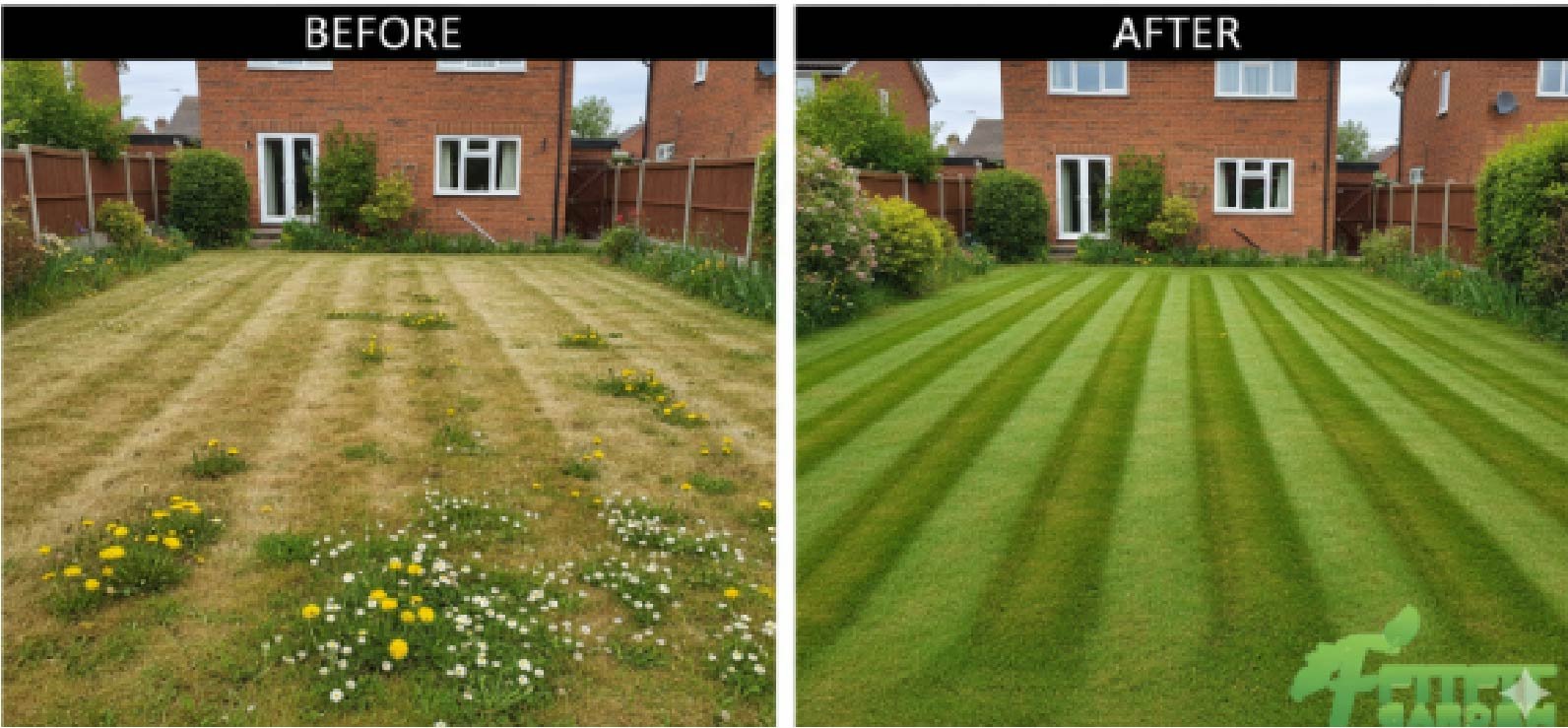
A beautiful, healthy lawn is the pride of any UK garden—but unwanted weeds can quickly spoil that perfect green carpet. From stubborn dandelions to spreading clover, lawn weeds compete with grass for nutrients, water, and space. The good news? The right lawn weed killer can eliminate these invaders while keeping your grass lush and healthy.
This comprehensive guide explores everything you need to know about lawn weed control, from choosing the right products to application techniques that deliver professional results.
Understanding Lawn Weed Killers: What Makes Them Different?
Not all weed killers are created equal. The key to successful lawn care is using a selective weed killer—one that targets broadleaf weeds while leaving your grass unharmed. Unlike total weed killers designed for driveways and patios, lawn-specific formulas are engineered to distinguish between desirable grass and problem weeds.
How Selective Lawn Weed Killers Work
Selective weed killers contain active ingredients that exploit the biological differences between grass and broadleaf weeds. When applied correctly, these formulas are absorbed through weed leaves, travelling down to the roots to eliminate the entire plant—not just the visible growth.
This targeted approach means you can treat your lawn without fear of damaging your turf, making it perfect for:
- Established lawns overrun with weeds
- New lawns developing weed problems
- Family gardens where grass needs protection
- Sports fields and high-use areas
Common Lawn Weeds in UK Gardens
Before selecting a weed killer, it’s helpful to identify what you’re fighting. UK lawns commonly suffer from:
Dandelions – Deep taproots that regrow if not fully removed
Clover – Spreads rapidly across lawns, forming dense patches
Daisy weeds – Low-growing perennials that crowd out grass
Plantain – Broad-leaved weeds with tough, fibrous roots
Dollar weed – Circular leaves that thrive in moist conditions
Buttercups – Yellow flowers that indicate poor drainage
Moss – Not technically a weed, but competes with grass in shady, damp areas
Each of these requires effective root-level treatment to prevent regrowth.
Top Lawn Weed Killer Products from FitfitGarden
FitfitGarden offers a carefully curated selection of lawn weed control solutions designed for UK growing conditions. Here are the standout products currently available:
GREEN UP Vitax Feed & Weed 100sqm – £7.99
This dual-action formula combines lawn feeding with selective weed control, making it an excellent choice for busy gardeners who want to nourish their grass while eliminating weeds in a single application. The 100 square metre coverage makes it ideal for medium-sized lawns.
Best for: Time-saving lawn care, spring treatments, lawns needing both nutrition and weed control
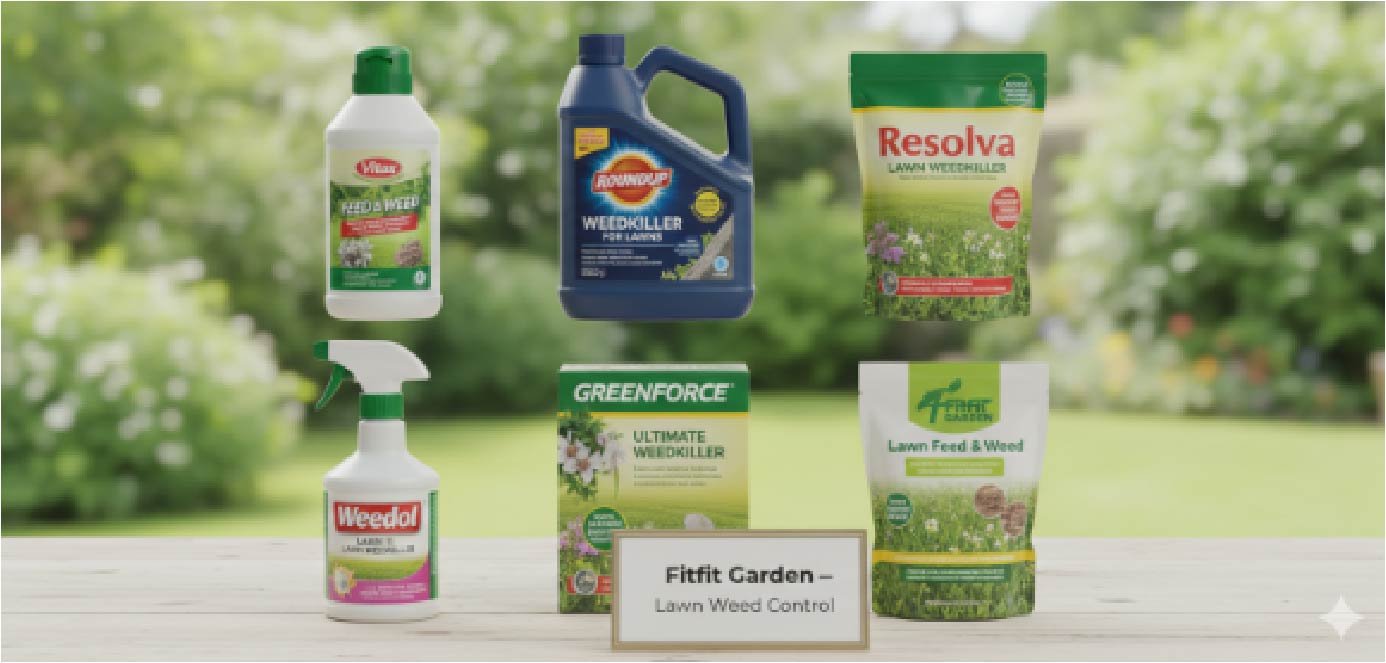
Roundup Ultra Tough Concentrate Weedkiller – £34.65
A powerful concentrated formula that offers exceptional value for larger properties. While Roundup is known for total weed control, when used carefully as a spot treatment, it can target persistent lawn weeds without broad application across grass areas.
Best for: Spot treatment of stubborn weeds, treating lawn edges, targeting difficult perennial weeds
Vitax Lawn Clear RTU Weedkiller – 750ML – £7.99
This ready-to-use formulation takes the guesswork out of lawn weed control. No mixing required—simply spray directly onto weeds. The convenient size is perfect for smaller lawns or targeted spot treatments.
Best for: Beginners, small to medium lawns, quick spot treatments, easy application
Vitax Feed Weed & Moss Killer – 300m² – £22.99
Triple-action lawn care in one product. This formula feeds your grass while simultaneously controlling weeds and eliminating moss—common problems in damp UK climates. Coverage of 300 square metres makes it suitable for larger properties.
Best for: Comprehensive lawn care, shady or damp lawns, moss-prone areas, large gardens
Miracle-Gro Lawn Food & Moss Control – £13.48
From the trusted Miracle-Gro brand, this product focuses on strengthening grass while controlling moss growth. Healthier, thicker grass naturally crowds out weeds, making this an excellent preventative approach.
Best for: Moss-affected lawns, spring feeding programs, preventative weed control
Doff Advanced Glyphosate Weed & Root Killer Spray 1L – £6.29
An affordable option for targeted weed control. While glyphosate products are non-selective (meaning they kill all plants they contact), this spray applicator allows for precise application to individual weeds without overspray onto grass.
Best for: Budget-conscious gardeners, precise spot treatment, stubborn individual weeds
Vitax SBK Brushwood Killer Spray 1 Litre – £9.90
Specially formulated for tough, woody weeds and unwanted saplings that sometimes appear in lawn edges or neglected areas. This professional-strength formula tackles the most stubborn growth.
Best for: Woody weeds, lawn borders, brambles, saplings, persistent perennial weeds
Green Up Liquid Feed & Weed – £10.68
A liquid formulation that combines rapid feeding with effective weed control. The liquid format ensures even distribution and quick absorption, with visible results within days.
Best for: Quick results, easy application, lawns needing immediate improvement
Choosing Between Weed Killer Spray and Concentrate
FitfitGarden products come in two main formats, each with distinct advantages:
Ready-to-Use Weed Killer Spray
Advantages:
- No mixing required
- Immediate application
- Perfect for spot treatments
- Ideal for smaller areas
- Less risk of application errors
Best for: Beginners, small lawns, quick treatments, treating individual weeds
Weed Killer Concentrate
Advantages:
- More economical for large areas
- Adjustable strength
- Reduced plastic packaging
- Greater coverage per purchase
- Professional-grade flexibility
Best for: Large lawns, experienced gardeners, multiple treatments, value-conscious buyers
You can apply concentrates using a weed killer sprayer or standard garden pressure sprayer, giving you complete control over application rate and coverage.
How to Apply Lawn Weed Killer Effectively
Proper application is crucial for achieving weed-free results without damaging your grass. Follow these professional guidelines:
Timing Your Application
Best time of year: Late spring through early autumn when weeds are actively growing
Best time of day: Morning or early evening when temperatures are mild
Weather conditions: Apply on a dry, calm day with no rain forecast for 24-48 hours
Grass height: Ensure lawn has been mown recently but not within 3 days of application
Application Technique
- Identify target weeds – Walk your lawn and note problem areas
- Prepare the product – Mix concentrates according to label instructions
- Test spray – Apply to a small area first to check equipment and results
- Apply evenly – Use overlapping passes to ensure complete coverage
- Avoid overspray – Keep weed killer away from flower beds and desirable plants
- Mark treated areas – Use flags or markers to prevent walking on treated grass
After Application Care
- Keep off the lawn for the period specified on the product label (usually 24-48 hours)
- Delay mowing for at least 3-7 days to allow weed killer to work fully
- Water only if specified – some products require watering in, others work best when dry
- Monitor results – most weeds show signs of decline within 7-14 days
- Reapply if necessary – stubborn weeds may require a second treatment
Weed Killer That Doesn’t Kill Grass: The Science Behind Selectivity
The most important feature of any lawn weed killer is selectivity—the ability to eliminate weeds while preserving grass. This works because:
Grass structure: Narrow, upright blades shed most herbicide droplets
Leaf coating: Grass has a waxy cuticle that resists absorption
Growth patterns: Grass grows from the base, while broadleaf weeds grow from leaf tips
Biological differences: Selective herbicides target enzymes present in broadleaf plants but absent in grasses
Products specifically labeled for lawns exploit these differences to provide safe, effective weed control.
Strong Weed Killer for Stubborn Lawn Problems
Some weeds require more aggressive treatment. If you’re dealing with particularly persistent problems, consider these approaches:
For Deep-Rooted Weeds (Dandelions, Docks, Thistles)
Choose a systemic weed killer that travels through the plant to the roots. Surface treatments alone won’t solve the problem—these weeds will simply regrow from remaining root systems.
The Roundup Ultra Tough Concentrate excels at tackling deep-rooted perennials when used as directed for spot treatment.
For Fast-Spreading Weeds (Clover, Creeping Buttercup)
These require broad-coverage treatment to prevent further spread. Feed and weed combinations like GREEN UP Vitax Feed & Weed strengthen grass while eliminating spreading weeds, creating competition that prevents recolonization.
For Dollar Weed and Other Water-Loving Species
Improve lawn drainage alongside chemical treatment. Even the best dollar weed killer will provide only temporary relief if underlying moisture problems persist.
Alternatives to Chemical Weed Control
While chemical weed killers deliver fast, reliable results, some gardeners prefer alternative approaches:
Homemade Weed Killer Vinegar Solutions
Household vinegar (acetic acid) can burn weed foliage, but it rarely kills roots and isn’t selective—it will damage grass just as readily as weeds. Commercial products provide more consistent, longer-lasting results.
Laser Weed Killer Technology
Emerging technology uses targeted laser energy to eliminate weeds. While promising for the future, these systems remain expensive and impractical for most home gardeners. Traditional weed killers offer proven effectiveness at accessible prices.
Manual Removal
Hand-weeding works for small infestations but becomes impractical for larger lawns. It’s also easy to leave root fragments that regenerate into new plants.
Cultural Control
Maintaining thick, healthy grass through proper feeding, mowing, and watering naturally suppresses weed growth. This works best as prevention rather than cure.
Seasonal Weed Control: Year-Round Lawn Protection
Spring Weed Killer Application
Spring is prime time for lawn weed control. Weeds emerge from winter dormancy and begin active growth, making them most susceptible to treatment. Apply feed and weed products to tackle existing weeds while strengthening grass for the growing season.
Summer Maintenance
Spot-treat emerging weeds promptly before they establish. Avoid application during extreme heat or drought, which can stress grass and reduce herbicide effectiveness.
Autumn Treatment
A second application in early autumn targets weeds that germinated during summer and prepares your lawn for winter. This is your last opportunity for effective treatment before growth slows.
Winter Weed Killer Considerations
Most lawn weed killers work poorly in winter when plant growth slows. However, winter is an excellent time to plan your lawn care strategy and stock up on products for spring application.
Weed Killer Safe for Pets: Protecting Your Family
Pet safety is a top priority for many UK households. While no lawn treatment should be applied carelessly, modern weed killers can be used responsibly around pets:
Before application:
- Remove pets from the treatment area
- Secure any toys, bowls, or pet accessories
During application:
- Follow all label instructions precisely
- Apply only the recommended amount
- Avoid over-application which increases risk
After application:
- Keep pets off treated areas until completely dry (usually 24-48 hours)
- Water products in if label specifies (some products require this, others don’t)
- Store unused product securely away from pets
Once dried and applied according to instructions, most lawn weed killers present minimal risk to pets. The Vitax Lawn Clear RTU and similar ready-to-use products include clear safety guidelines for household use.
Professional Weed Control vs. DIY: Making the Right Choice
When to Handle It Yourself
DIY weed control makes sense when:
- Your lawn is under 200 square metres
- Weed infestation is light to moderate
- You’re comfortable following product instructions
- You have basic garden equipment
FitfitGarden products are specifically designed for successful home application, with clear instructions and appropriate strengths for domestic use.
When to Call Professionals
Consider professional lawn care services for:
- Very large properties (over 500 square metres)
- Severe weed infestations covering more than 50% of lawn area
- Persistent problems that haven’t responded to DIY treatment
- Situations requiring specialized equipment
Maximizing Lawn Health: Beyond Weed Control
The healthiest lawns resist weed invasion naturally. Complement your weed killer program with:
Proper Mowing
Maintain grass at 2.5-4cm height. Taller grass shades soil, preventing weed seed germination.
Regular Feeding
Well-fed grass grows thicker, leaving no room for weeds to establish. Explore lawn care products that combine nutrition with weed control.
Aeration
Annual aeration relieves compaction, allowing grass roots to grow deeper and stronger.
Overseeding
Fill thin patches with new grass seed before weeds can colonize bare soil.
Correct Watering
Deep, infrequent watering encourages deep grass roots while discouraging shallow-rooted weeds.
Understanding Product Labels: Glyphosate and Active Ingredients
Many gardeners search for specific active ingredients when choosing weed killers:
Weed Killer Glyphosate Products
Glyphosate is a non-selective herbicide found in products like Roundup weed killer and Roundup weed killer concentrate. While highly effective, it kills all plants it contacts—grass and weeds alike. Use glyphosate products only for:
- Spot treatment of individual weeds (with extreme care)
- Treating non-lawn areas like driveways and paths
- Lawn renovation before reseeding
Selective Herbicides
Look for active ingredients like:
- 2,4-D – Controls broadleaf weeds, safe for grass
- Dicamba – Targets stubborn perennial weeds
- Mecoprop – Effective against clover and similar weeds
- Fluroxypyr – Controls difficult weeds like buttercup
FitfitGarden’s lawn-specific products contain appropriate selective formulations for safe grass treatment.
Brand Spotlight: Trusted Names in Weed Control
Roundup Lawn Products
Roundup offers both total weed killers and some lawn-safe formulations. Always check labels carefully—traditional Roundup weed killer is non-selective, but the brand also produces lawn-specific products.
Vitax Weed Control Range
Vitax specializes in lawn care, with products like Vitax SBK for tough weeds and Vitax Lawn Clear for safe grass treatment. Their feed and weed combinations deliver comprehensive lawn care.
Weedol for Lawns
Weedol produces several lawn-safe formulations alongside their path and patio products. Verify you’re selecting lawn-specific versions when shopping.
Miracle-Gro Lawn Care
Known for plant nutrition, Miracle-Gro extends this expertise to lawn care with products that feed grass while controlling weeds and moss.
Shopping Guide: Getting the Best Value
Calculate Your Coverage Needs
Measure your lawn accurately before purchasing:
- Small lawn (up to 100m²): Ready-to-use sprays or small concentrate bottles
- Medium lawn (100-200m²): 1L concentrates or larger feed-and-weed boxes
- Large lawn (200m²+): Large concentrates for best value
Compare Cost Per Square Metre
| Product | Coverage | Price | Cost/m² |
| GREEN UP Vitax Feed & Weed | 100m² | £7.99 | £0.08 |
| Vitax Feed Weed & Moss | 300m² | £22.99 | £0.08 |
| Miracle-Gro Lawn Food & Moss | Variable | £13.48 | Calculate based on pack size |
Concentrates typically offer better value for larger lawns, while ready-to-use products suit smaller areas despite higher per-square-metre costs.
Essential Equipment
To apply lawn weed killer effectively, you’ll need:
- Sprayer – Pressure sprayer or ready-to-use spray bottle
- Measuring equipment – For accurate concentrate dilution
- Protective equipment – Gloves, long sleeves, closed shoes
- Watering can (for some products) – Apply feed-and-weed granules
- Flags or markers – Mark treated areas
Browse watering equipment to find suitable applicators for your chosen products.
Common Lawn Weed Killer Mistakes to Avoid
Over-Application
More isn’t better. Excess weed killer can damage grass and harm the environment. Always follow label rates precisely.
Wrong Weather Conditions
Rain within 24-48 hours washes away treatment before it works. High winds cause drift onto desirable plants. Choose calm, dry days for application.
Treating Stressed Grass
Don’t apply weed killer to drought-stressed, newly seeded, or recently laid turf. Wait until grass is actively growing and healthy.
Inconsistent Coverage
Missed patches allow weeds to survive and spread. Use systematic passes and overlap slightly to ensure complete coverage.
Mowing Too Soon
Cutting grass within days of treatment removes weed leaves before herbicide reaches roots. Wait at least one week before mowing.
Environmental Responsibility: Using Weed Killers Safely
Responsible weed killer use protects UK gardens and broader ecosystems:
Follow All Label Instructions
Labels contain legally required safety and environmental information. Read completely before use.
Use the Minimum Effective Dose
Don’t exceed recommended application rates. Proper rates achieve excellent results without unnecessary chemical use.
Protect Water Sources
Never apply weed killer near ponds, streams, or drainage systems. Herbicides can harm aquatic life.
Store Products Safely
Keep weed killers in original containers, away from children, pets, and food. Store in cool, dry locations.
Dispose of Properly
Never pour unused product down drains. Follow local council guidelines for chemical disposal.
Consider Integrated Pest Management
Combine chemical control with cultural practices for sustainable, long-term weed management.
Frequently Asked Questions
How long until I see results?
Most lawn weeds show signs of decline within 7-14 days, with complete die-back in 2-4 weeks.
Can I seed after using weed killer?
Wait the period specified on your product label—typically 4-6 weeks after application before overseeding.
Will weed killer harm my flower beds?
Selective lawn weed killers can damage or kill garden plants. Avoid spray drift and keep products away from beds.
How often can I treat my lawn?
Most products allow 2-3 applications per growing season with specified intervals between treatments.
What if it rains after application?
Light rain after the product has dried (usually 1-2 hours) won’t significantly affect results, but heavy rain within 24 hours may require reapplication.
