


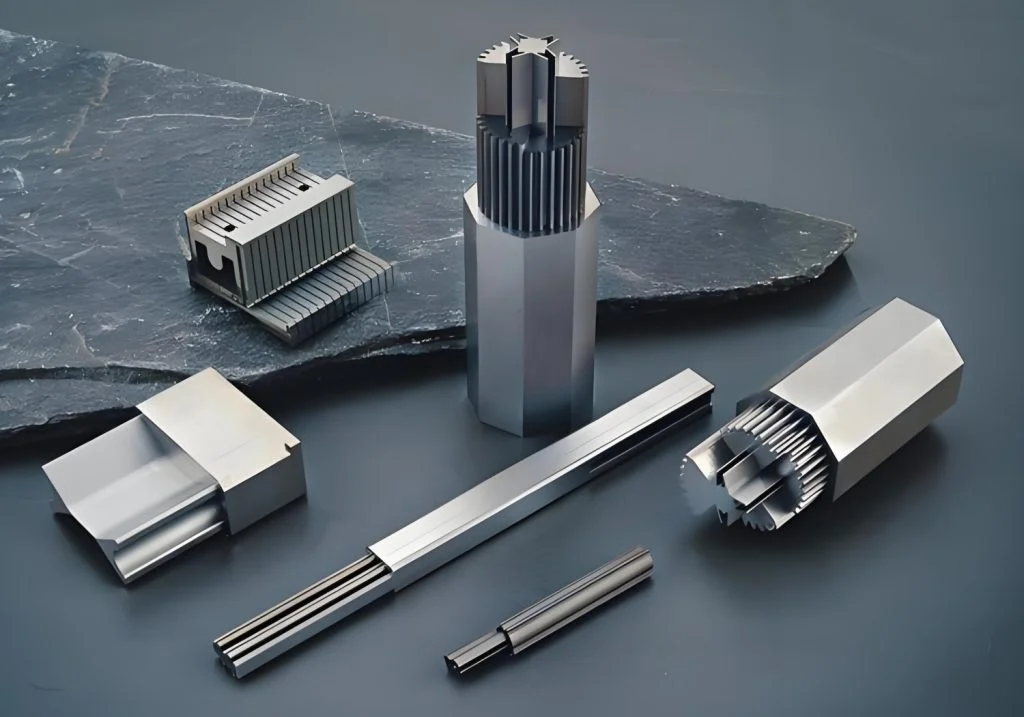
Manufacturing operations depend on reliable mold components to maintain consistent production schedules and quality standards. When components fail or perform inconsistently, the ripple effects extend far beyond simple replacement costs. Production lines halt, delivery commitments become uncertain, and quality control processes require additional oversight to compensate for unreliable tooling.
The challenge extends beyond finding suppliers who can meet basic specifications. Manufacturing managers face increasing pressure to balance cost control with operational reliability, while technical teams need components that perform consistently across extended production runs. Quality variations in mold components directly translate to product inconsistencies, increased scrap rates, and higher labor costs for additional inspection and rework.
Understanding what separates reliable component fabrication from adequate fabrication requires examining specific quality markers that predict long-term performance. These markers reflect both manufacturing capabilities and quality systems that support consistent delivery and performance over time.
Material Selection and Sourcing Standards
The foundation of reliable mold component performance begins with material selection and sourcing practices. Fabricators working in wholesale mold components fabrication establish specific material sourcing protocols that ensure consistency across production batches and over time. Material variations create performance inconsistencies that manifest as dimensional changes, surface quality issues, and premature wear patterns.
Reliable fabricators maintain direct relationships with primary material suppliers rather than relying on spot market purchases or secondary distributors. This approach provides traceability for each material lot and ensures that material properties remain consistent between orders. The documentation trail becomes critical when investigating performance issues or validating component suitability for specific applications.
Chemical Composition Verification
Material certification extends beyond basic grade specifications to include detailed chemical composition analysis. Each material lot receives verification testing that confirms alloy content, impurity levels, and trace element concentrations. These factors directly influence machinability, thermal properties, and long-term dimensional stability.
Fabricators who maintain rigorous material standards typically require mill test certificates for each material shipment, supplemented by independent verification testing. This dual verification approach identifies material variations before they enter the fabrication process, preventing quality issues that would otherwise appear in finished components.
Heat Treatment Documentation
Heat treatment processes require precise control and documentation to achieve consistent material properties. The heating cycles, cooling rates, and temperature controls used during heat treatment directly affect hardness, stress relief, and dimensional stability in finished components.
Quality-focused fabricators maintain detailed heat treatment records that include furnace calibration data, temperature monitoring charts, and post-treatment inspection results. This documentation provides the foundation for troubleshooting performance issues and ensures that heat treatment processes remain within established parameters.
Dimensional Accuracy and Measurement Systems
Dimensional accuracy requirements for mold components often exceed standard machining tolerances due to the precision demands of molding processes. Components that fall within general machining tolerances may still create molding problems if critical dimensions vary beyond tighter operational limits.
Fabrication facilities equipped for precision mold component work maintain measurement systems that can reliably verify dimensions to the required accuracy levels. This capability extends beyond simply owning precision instruments to include calibration programs, measurement procedures, and operator training that ensures consistent measurement practices.
Coordinate Measuring Machine Capabilities
Complex mold components require three-dimensional measurement capabilities that can verify geometric relationships, surface profiles, and positional tolerances. Coordinate measuring machines provide this capability when properly programmed and operated within controlled environmental conditions.
The measurement programs used for specific component types must account for material properties, fixturing considerations, and thermal effects that influence measurement accuracy. Fabricators experienced in precision work develop these programs through iterative refinement and validation against known standards.
Surface Finish Verification
Surface finish requirements for mold components affect both functional performance and aesthetic quality of molded parts. Surface roughness measurements must be taken at specified locations using appropriate measurement techniques that account for surface texture patterns and directionality.
Reliable surface finish verification requires understanding the relationship between measurement parameters and functional requirements. Different measurement techniques can produce varying results on the same surface, making consistent measurement procedures essential for accurate quality assessment.
Manufacturing Process Control
Process control systems in mold component fabrication must address the variables that affect final component quality while maintaining efficiency levels that support competitive pricing. The most significant variables typically include cutting tool wear, machine thermal stability, and workholding consistency across production runs.
Effective process control begins with understanding how each manufacturing step influences final component characteristics. This understanding allows fabricators to identify critical control points where monitoring and adjustment can prevent quality deviations before they occur.
Tool Life Management
Cutting tool condition directly affects surface quality, dimensional accuracy, and geometric tolerances in machined components. Tool wear patterns must be monitored and managed to ensure that component quality remains consistent throughout production runs.
Systematic tool management programs track tool usage, monitor performance indicators, and establish replacement criteria based on quality requirements rather than simple tool life estimates. This approach prevents quality degradation while optimizing tool utilization costs.
Machine Thermal Stability
Thermal variations in machine tools create dimensional changes that can accumulate into significant accuracy problems over extended production runs. Temperature control becomes particularly critical for precision components where thermal growth can exceed allowable tolerances.
Fabricators working with tight tolerance requirements implement thermal management strategies that may include machine warm-up procedures, coolant temperature control, and environmental conditioning. These measures help maintain consistent dimensional results across varying production conditions.
Quality Inspection and Documentation Systems
Inspection systems for mold components must verify both dimensional compliance and functional characteristics that affect molding performance. Standard inspection procedures often focus primarily on measurable dimensions while overlooking functional aspects that can impact component performance in actual molding applications.
Comprehensive inspection programs address both compliance verification and performance prediction through systematic evaluation of critical component characteristics. The inspection data provides feedback for process improvement and creates documentation trails that support quality investigations when issues arise.
First Article Inspection Protocols
First article inspections establish the baseline for production acceptance and verify that manufacturing processes can consistently produce components meeting specification requirements. The inspection must be sufficiently comprehensive to identify potential problems before full production begins.
Effective first article procedures include dimensional verification, material property confirmation, and functional testing appropriate for the component type. The results provide confidence that subsequent production will meet quality requirements and identify any specification or manufacturing issues requiring resolution.
In-Process Monitoring
In-process monitoring systems track quality indicators during production to identify trends that might lead to quality problems. These systems must balance monitoring frequency with production efficiency while ensuring that quality deviations are detected before producing nonconforming components.
Statistical process control techniques help identify when manufacturing processes begin trending toward specification limits, allowing corrective action before quality problems occur. The monitoring data also provides insights for process improvement and capability studies.
Supplier Qualification and Audit Practices
Supplier qualification for mold component fabrication requires evaluation of both technical capabilities and quality systems that support consistent performance. The qualification process must assess current capabilities while also evaluating the supplier’s ability to maintain performance standards over time.
Effective qualification programs combine initial capability assessments with ongoing performance monitoring that tracks delivery, quality, and responsiveness metrics. This dual approach helps identify suppliers who can support long-term partnership relationships while maintaining competitive performance levels.
Technical Capability Assessment
Technical assessments evaluate equipment capabilities, process controls, and personnel qualifications needed for specific component types. The assessment must consider both current production requirements and potential future needs that might arise as product lines evolve.
Capability studies provide quantitative data about process performance and help predict quality levels for production volumes. The studies should include statistical analysis of dimensional capabilities and process stability over representative time periods.
Quality System Evaluation
Quality system evaluation examines the procedures, documentation, and management practices that support consistent quality delivery. The evaluation must assess both formal quality system elements and informal practices that affect daily quality performance.
Effective quality systems demonstrate clear responsibility assignments, systematic problem-solving approaches, and continuous improvement activities that address both current performance and future capability development. Documentation systems must support traceability requirements and provide access to historical performance data.
Lead Time and Delivery Performance
Delivery performance affects production planning and inventory management decisions that extend far beyond individual component procurement. Unreliable delivery performance forces organizations to carry additional inventory, develop backup suppliers, or accept schedule risks that can impact customer commitments.
Suppliers who consistently meet delivery commitments typically maintain production planning systems that account for material lead times, capacity constraints, and quality requirements. These systems help identify potential delivery problems early enough to implement corrective actions or provide advance notice of delays.
Production Scheduling Systems
Production scheduling for custom mold components requires balancing multiple competing priorities while maintaining quality standards and delivery commitments. Effective scheduling systems account for setup requirements, quality inspection time, and potential rework needs that can affect delivery timing.
Reliable suppliers maintain scheduling systems that provide visibility into production status and can accommodate reasonable schedule changes without compromising quality or delivery performance. The scheduling process must also account for capacity limitations during peak demand periods.
Communication and Updates
Proactive communication about schedule changes, quality issues, or technical questions helps prevent problems that could affect delivery performance or component quality. Suppliers who maintain effective communication practices typically identify and address issues before they impact customer operations.
Regular status updates and prompt response to technical questions demonstrate the supplier’s commitment to customer success and provide early warning of potential problems. Communication systems should include clear escalation procedures for urgent issues requiring immediate attention.
Cost Structure and Pricing Transparency
Pricing transparency for mold component fabrication helps buyers understand cost drivers and make informed decisions about design trade-offs, volume commitments, and supplier selection. Hidden costs or unexpected pricing changes can disrupt budget planning and force emergency supplier changes that create quality and delivery risks.
Suppliers who maintain transparent pricing structures typically provide detailed cost breakdowns that explain material costs, labor content, and overhead allocations. This transparency enables productive discussions about cost optimization opportunities and helps establish realistic expectations for pricing stability.
Volume Pricing Considerations
Volume pricing for custom components must account for setup costs, material utilization efficiency, and learning curve effects that influence unit costs at different production quantities. Understanding these factors helps buyers optimize order quantities and timing to achieve cost objectives while maintaining service requirements.
Effective volume pricing structures provide clear break points where unit costs change significantly and explain the operational factors driving these cost changes. This information enables better production planning and inventory management decisions.
Engineering and Design Support
Engineering support capabilities can significantly affect project success and total cost of ownership for custom mold components. Suppliers who provide design optimization recommendations, manufacturability analysis, and technical problem-solving support often deliver better value despite potentially higher unit prices.
The engineering support should include design for manufacturability reviews, material selection guidance, and process optimization recommendations that consider both performance requirements and cost objectives. This support becomes particularly valuable for complex components or demanding applications.
Long-term Partnership Potential
Long-term supplier relationships for mold component fabrication provide stability, cost predictability, and opportunities for continuous improvement that benefit both parties. Suppliers who demonstrate commitment to partnership relationships typically invest in understanding customer requirements and developing capabilities that support future needs.
Partnership potential depends on the supplier’s financial stability, growth capacity, and willingness to invest in relationship development. According to the U.S. Census Bureau, manufacturing partnerships that emphasize continuous improvement and mutual investment typically achieve better long-term cost and quality performance than purely transactional relationships.
Continuous Improvement Initiatives
Continuous improvement programs demonstrate the supplier’s commitment to long-term performance enhancement and cost reduction. These programs should include systematic approaches to process optimization, waste reduction, and capability development that create value for both parties.
Effective improvement initiatives include customer feedback integration, performance metrics tracking, and regular review meetings that identify opportunities for enhancement. The initiatives should address both current performance gaps and future capability requirements.
Technology Investment and Capabilities
Technology investment patterns indicate the supplier’s commitment to maintaining competitive capabilities and supporting future requirements. Suppliers who regularly upgrade equipment, implement new processes, and develop advanced capabilities typically provide better long-term value than those focused solely on current requirements.
The technology investment should align with industry trends and customer requirements while demonstrating financial stability and growth planning. Investment in training, quality systems, and process improvement tools indicates commitment to operational excellence.
Conclusion
Selecting reliable suppliers for wholesale mold components fabrication requires systematic evaluation of capabilities that extend beyond basic manufacturing competence. The quality markers outlined in this guide provide a framework for assessing suppliers who can deliver consistent performance, maintain competitive pricing, and support long-term partnership relationships.
Success in supplier selection depends on understanding how each quality marker contributes to operational reliability and cost performance over time. Suppliers who excel across multiple quality markers typically provide better value and fewer operational disruptions than those who compete primarily on price alone.
The evaluation process should emphasize suppliers who demonstrate systematic approaches to quality management, transparent communication practices, and commitment to continuous improvement. These characteristics predict long-term success better than current capabilities alone and help ensure that supplier relationships support both immediate needs and future requirements.
