


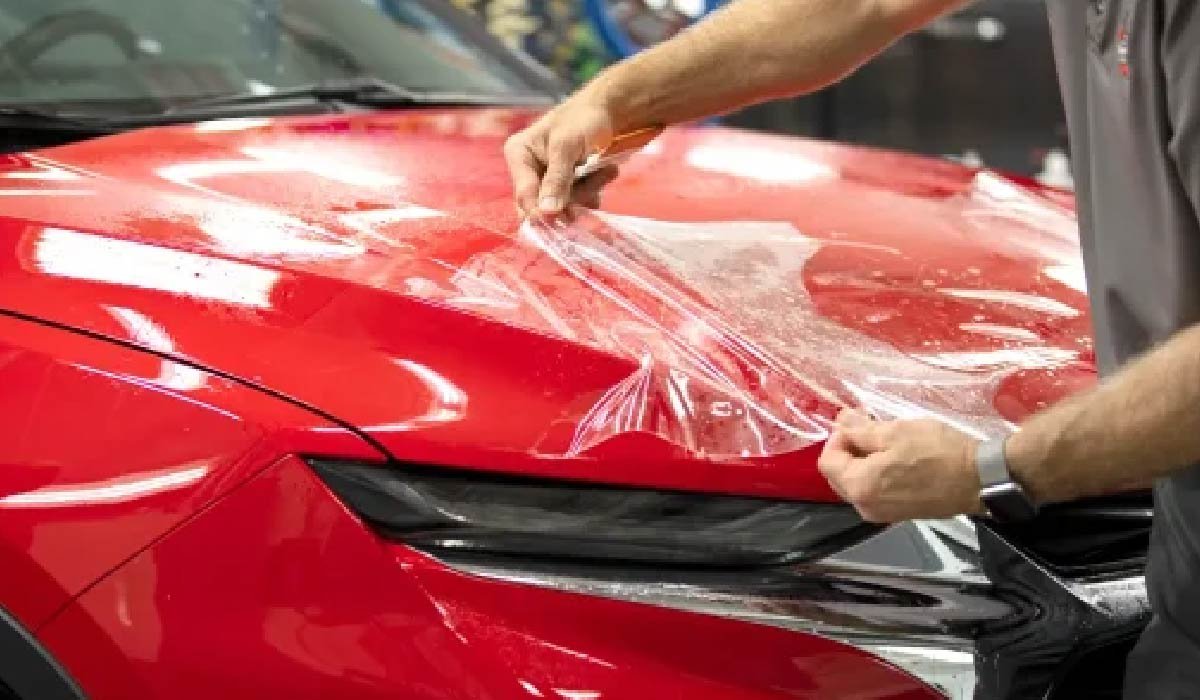
For commercial fleet managers, automotive detailing professionals, and luxury vehicle owners, asset depreciation is a constant battle. The exterior of a vehicle is its first line of defense against the elements, and its condition directly correlates with the asset’s residual value.
In recent years, the automotive protection industry has shifted away from temporary cosmetic fixes. Today, the focus is on advanced materials science and engineered solutions that offer long-term financial returns and uncompromising aesthetics.
The Evolution of Vehicle Asset Protection
From Traditional Wax to Ceramic Coatings
Historically, the automotive industry relied heavily on carnauba waxes and synthetic sealants. While these products provided a temporary glossy finish, they offered zero defense against physical abrasions.
The introduction of ceramic coatings marked a significant leap forward in chemical resistance. By utilizing silicon dioxide (SiO2) to create a semi-permanent bond with the clear coat, ceramics effectively repelled water and UV damage.
However, even the hardest ceramic coatings have a fundamental limitation: they cannot absorb physical impact. High-speed rock chips, road debris, and physical scratches easily penetrate these liquid-applied layers, leaving the underlying factory paint vulnerable to permanent damage.
The Rise of Thermoplastic Polyurethane (TPU) in Automotive Tech
Density, Cross-Linking, and Optical Clarity
When evaluating modern vehicle shielding, the transition to high-grade aliphatic TPU has been a game-changer for the industry. Leading global manufacturers utilize dense cross-linked nanomaterials to ensure unparalleled optical clarity and extreme durability.
For instance, advanced engineering from companies like ClearPro demonstrates how specialized poly-optical coatings can achieve a 95 GU gloss rating, completely eliminating the “orange peel” effect while offering supreme protection against environmental hazards.
Unlike traditional PVC films, which degrade and turn yellow under UV exposure, modern aliphatic TPU maintains its molecular stability. This ensures that the film remains completely transparent, preserving the vehicle’s true color depth for years.
Core Mechanisms of Modern Paint Protection Films
Thermal Self-Healing Properties
The true innovation of modern Paint Protection Film (PPF) lies in its elastomeric polymers. These specialized topcoats possess a “memory” that allows them to return to their original state after being distorted.
When exposed to heat—whether from direct sunlight, a heat gun, or warm water—the polymer chains actively reorganize themselves. This translates to several key operational advantages:
- Micro-scratch eradication: Minor abrasions from automatic car washes or improper drying techniques vanish automatically.
- Swirl mark resistance: The flexible top layer resists the permanent grooving that plagues standard automotive clear coats.
- Longevity of aesthetic quality: The vehicle maintains a “showroom finish” without the need for constant, abrasive machine polishing.
Hydrophobic Angles and Maintenance
Another critical metric for modern surface protection is liquid repellency. By engineering the film’s topcoat at the nano-level, manufacturers can drastically alter the surface tension of the vehicle’s exterior.
Films featuring a 105° hydrophobic angle force water to bead up and roll off instantly, carrying dirt and contaminants with it.
This self-cleaning effect significantly reduces the time and labor required for maintenance. For commercial fleets, this means less downtime in the washing bay and lower expenditures on harsh chemical cleaners.
The ROI of Advanced Paint Protection for Fleets and Luxury Vehicles
Minimizing Depreciation and Preserving Factory Paint
Beyond mere aesthetics, maintaining the pristine condition of a vehicle’s exterior plays a crucial role in its long-term financial valuation. According to industry analyses on asset depreciation, preserving the original factory paint is one of the most effective strategies to retain a vehicle’s worth over time.
Consequently, investing in high-quality shielding solutions is not just about looks; it is a proven method to maximize a car’s trade-in value when upgrading your commercial fleet or personal vehicle.
Replacing a factory paint job never yields the same quality or buyer confidence as the original finish. For business owners evaluating capital expenditures, PPF acts as a tangible insurance policy for physical assets. Readers interested in analyzing cost-benefit ratios for commercial assets can [explore more insights on strategic business investments here] (Internal Link 1).
Sourcing and Installation: What Professional Detailers Look For
Adhesive Technologies and Precision Cutting
The material quality of the TPU is only half the equation; the installation process determines the final outcome. High-end detailing shops prioritize films equipped with advanced adhesive technologies.
Invisible, high-tack glues ensure the film bonds perfectly to complex curves without leaving stretch marks or lifting at the edges. Furthermore, modern workshops utilize proprietary CAD software and digital plotters for precision pre-cutting.
This technology allows technicians to apply the film without ever bringing a razor blade near the vehicle’s clear coat. For more information on how software is streamlining the auto industry, check out our coverage on [the latest trends in automotive technology] (Internal Link 2).
Ultimately, selecting the right TPU technology ensures that high-value vehicles remain protected, visually stunning, and financially viable for years to come.
