


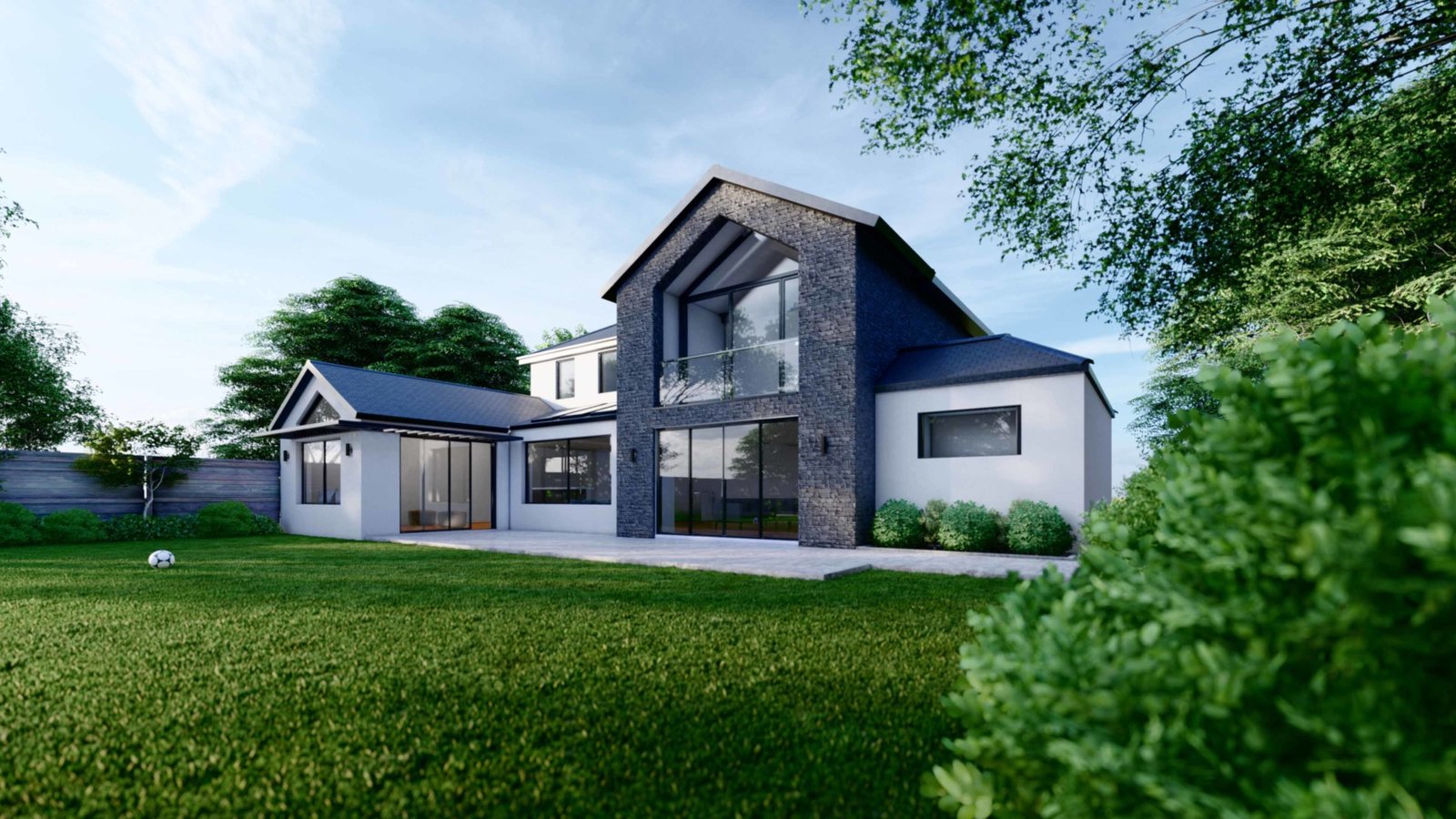
Understanding extension costs in London helps homeowners plan realistic budgets for home improvement projects. Whether you’re considering a single-storey rear extension to create an open-plan kitchen or a doubl storey extension adding both ground floor living space and first-floor bedrooms, knowing typical costs and the factors that influence them allows you to make informed decisions. London extension costs vary significantly based on size, specification, location, and complexity, but general cost ranges provide useful starting points for planning your project.
Single Storey Extension Costs in London
Single-storey extensions in London typically cost between £2,000 and £3,500 per square meter, with most projects falling in the £2,500 to £3,000 per square meter range. This means a modest 15 square meter extension would cost approximately £37,500 to £52,500, while a more substantial 30 square meter extension creating a large kitchen-dining space might cost £75,000 to £105,000.
These figures include all construction costs—foundations, walls, roof, windows, doors, flooring, plastering, electrics, plumbing, heating, and basic finishes. However, they represent standard specifications rather than luxury finishes. High-end materials, premium appliances, underfloor heating, or bespoke joinery increase costs toward the upper end of ranges or beyond.
Several factors influence single-storey extension costs. Location within London affects pricing, with central London boroughs typically commanding higher rates than outer London areas due to access challenges, parking restrictions, and higher contractor rates. Ground conditions matter significantly—properties requiring deeper foundations due to clay soil or tree roots near boundaries face additional costs. The type of roof affects pricing, with flat roofs generally costing less than pitched roofs, though both have different maintenance implications.
Glazing choices impact costs substantially. Standard aluminium bi-fold doors might add £3,000 to £5,000 to projects, while premium slim-frame sliding doors with minimal sightlines can cost £8,000 to £15,000 or more. Kitchen specifications represent another major variable—basic fitted kitchens start around £5,000, mid-range options run £10,000 to £20,000, and luxury bespoke kitchens easily exceed £30,000 to £50,000.
Double Storey Extension Costs in London
Double storey extensions cost between £1,800 and £2,800 per square meter, with most projects in the £2,200 to £2,500 per square meter range. The per-square-meter cost is lower than single-storey extensions because you’re building two floors using essentially the same footprint and foundation costs. A 20 square meter footprint creating 40 square meters of total space across two floors might cost £88,000 to £112,000, while a 30 square meter footprint providing 60 square meters would typically cost £132,000 to £168,000.
These costs include ground floor construction, first-floor structure and finishes, roof, windows, doors, internal walls, stairs if needed, electrics, plumbing, heating, and standard finishes throughout. As with single-storey extensions, specifications significantly affect final costs—basic finishes sit at the lower end of ranges, while premium materials and fittings push costs upward.
Double-storey extensions face additional considerations affecting costs. Structural requirements become more complex when building two floors, often requiring steel beams or structural calculations that add £2,000 to £5,000 to projects. Access becomes more challenging during construction, potentially increasing contractor rates. Planning permission proves more difficult to obtain for two-storey extensions compared to single-storey additions, with architects needing to demonstrate careful design that respects neighboring properties and street scenes.
Additional Costs to Consider
Extension costs extend beyond construction alone. Architectural fees typically run 8% to 15% of construction costs, covering design work, planning applications, building regulations, and construction monitoring. For a £100,000 extension, expect architectural fees of £8,000 to £15,000. Structural engineer fees add another £1,500 to £3,000 for calculations and drawings.
Planning application fees are set by councils—currently £258 for householder applications in England. Building control fees vary by project size but typically cost £1,000 to £2,000. Party wall agreements for terraced or semi-detached properties require surveyor fees of £700 to £1,500 per neighbor affected.
Homeowners should budget for contingencies—unexpected issues during construction like discovering poor foundations, hidden drainage, or structural problems that weren’t apparent initially. A contingency of 10% to 15% of construction costs provides buffer for these situations. Temporary accommodation or kitchen rental during construction adds further costs if you can’t live in your property during work.
Cost Versus Value Considerations
While extensions represent significant investments, they often add more value to properties than they cost. Single-storey extensions in London typically add 10% to 15% to property values, sometimes more in areas where additional living space commands premium prices. Double-storey extensions can add 15% to 20% to values, particularly when adding bedrooms increases property from two to three bedrooms or three to four bedrooms—key thresholds in London’s property market.
Beyond financial returns, extensions improve quality of life by creating space suited to how families actually live. Open-plan kitchen-dining areas become central gathering spaces, additional bedrooms accommodate growing families, and home offices support flexible working arrangements. These lifestyle improvements often matter more to homeowners than pure financial returns.
Planning Your Extension Budget
When budgeting for London extensions, start with realistic per-square-meter costs based on your desired specification level. Add architectural fees, structural engineer costs, planning and building control fees, and a 10% to 15% contingency. Consider how specification choices affect costs—premium materials and finishes can increase projects by 20% to 40% compared to standard options.
Extension Architecture provides detailed cost estimates during initial consultations, helping you understand what’s achievable within your budget. Clear cost planning prevents surprises and ensures your extension delivers expected results within realistic financial parameters.
