


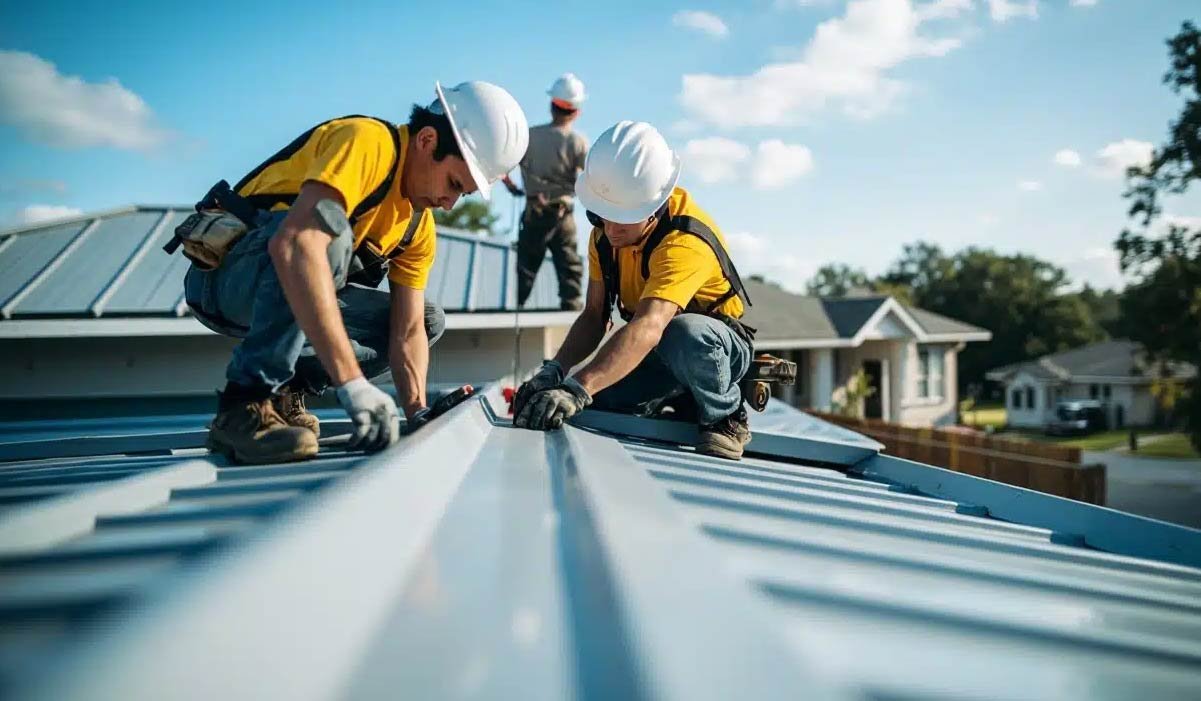
A well-installed roof is one of the most critical components of any building. It provides protection from harsh weather, enhances energy efficiency, and contributes to the overall aesthetic and value of the property. Roof installation is more than simply placing shingles on a structure; it involves careful planning, precise execution, and selecting high-quality materials that meet the specific needs of the building. Whether constructing a new home or replacing an outdated roof, understanding the installation process, material options, and best practices ensures that the roof performs efficiently for decades.
Roof installation begins with an assessment of the structure and careful planning. Factors such as the roof’s slope, building codes, climate conditions, and architectural design all influence the choice of materials and installation methods. Proper installation is essential to prevent leaks, water damage, and structural issues that can arise from poorly executed work. Homeowners and contractors must also consider ventilation, insulation, and underlayment to ensure the roof functions effectively while providing energy efficiency and indoor comfort.
Why Proper Roof Installation Matters
The importance of professional roof installation cannot be overstated. A properly installed roof provides the first line of defense against environmental elements, including rain, snow, wind, and UV radiation. It also helps regulate indoor temperature, reducing energy costs associated with heating and cooling. Incorrect installation, on the other hand, can lead to leaks, premature material deterioration, mold growth, and costly repairs.
Investing in high-quality installation extends the life of the roof and protects the home’s structural integrity. A properly installed roof also contributes to the aesthetic appeal and market value of the property. For commercial and residential buildings alike, roof installation is an investment that offers long-term protection, energy efficiency, and peace of mind.
Types of Roofs and Materials
The choice of roofing material is crucial in determining the roof’s durability, appearance, and cost. Common roof types include asphalt shingles, metal roofing, tile, slate, and flat or low-slope roofs. Each material has unique characteristics that suit different climates, budgets, and architectural styles.
Asphalt shingles are among the most popular roofing materials due to their affordability, ease of installation, and wide range of colors and styles. They offer moderate durability and perform well in most climates. Metal roofs are highly durable, fire-resistant, and energy-efficient, making them ideal for areas with extreme weather. They also provide a modern, sleek aesthetic. Tile roofs, often made from clay or concrete, are known for their long lifespan and classic appearance, particularly in Mediterranean or Spanish-style homes. Slate roofs are premium options that offer unmatched durability and elegance but come at a higher cost. Flat or low-slope roofs, commonly found on commercial buildings, require specialized materials such as modified bitumen, rubber membrane, or TPO (thermoplastic polyolefin) to ensure proper water drainage and longevity.
Steps Involved in Roof Installation
A successful roof installation involves several critical steps, each requiring careful attention to detail. The process typically begins with the removal of the old roofing materials. This ensures a clean surface for the new installation and allows inspection of the roof deck for damage or rot. Any structural repairs needed should be completed before proceeding.
Next, underlayment is installed. This layer provides a protective barrier against water infiltration and adds insulation to the roof system. Proper installation of underlayment is essential, as it prevents leaks and extends the life of the roofing materials. Following underlayment, the roofing materials—whether shingles, tiles, or metal panels—are installed according to manufacturer guidelines and building codes. Attention to alignment, overlap, and fastening methods ensures that the roof is weather-tight and visually uniform. Finally, finishing touches, such as flashing installation, ridge caps, and gutter connections, are completed to ensure optimal performance and drainage.
Roof Installation Costs and Budgeting
The cost of roof installation varies depending on the size of the roof, material choice, complexity of the design, and labor requirements. Asphalt shingles generally offer the lowest cost per square foot, while slate and tile are premium materials with higher upfront costs. Metal roofing falls in the mid-to-high range but offers superior durability and low maintenance over time.
Labor costs are also a significant factor, as professional installation ensures adherence to building codes, safety standards, and best practices. Homeowners should obtain multiple quotes from licensed roofing contractors, evaluate their experience and reviews, and ensure that all materials and labor are included in the estimate. Budgeting for unexpected costs, such as structural repairs or material shortages, helps prevent project delays and ensures a smooth installation process.
Hiring a Professional Roofing Contractor
Professional installation is critical to the longevity and effectiveness of a roof. Homeowners should seek licensed, insured, and experienced roofing contractors with proven expertise in the specific type of roof being installed. Checking references, reviewing previous projects, and verifying credentials ensures the contractor’s reliability and professionalism.
A qualified contractor will manage the entire installation process, including material selection, permits, safety measures, and adherence to local building codes. Clear communication and a detailed contract outlining the scope of work, timeline, and payment schedule are essential to avoid misunderstandings. Professional contractors also provide warranties on both materials and workmanship, offering additional protection for the homeowner’s investment.
Common Roof Installation Mistakes to Avoid
Several mistakes can compromise the quality and longevity of a newly installed roof. Improper installation of underlayment or flashing can lead to leaks and water damage. Failing to align shingles correctly or using incorrect fasteners may result in reduced durability and aesthetic issues. Neglecting ventilation or insulation considerations can cause energy inefficiency, ice dams, or premature material wear.
To avoid these issues, it is crucial to hire experienced professionals and adhere strictly to manufacturer installation guidelines. Homeowners should also conduct inspections during and after installation to ensure the roof meets quality and safety standards.
Maintenance After Roof Installation
Even a newly installed roof requires regular maintenance to maximize its lifespan and performance. Routine inspections, especially after storms or extreme weather, can identify potential issues early. Clearing debris from gutters, trimming overhanging branches, and checking for signs of damage or leaks helps prevent costly repairs. Proper maintenance ensures that the roof continues to provide protection, energy efficiency, and aesthetic appeal for decades.
Environmental and Energy Considerations
Modern roofing materials and installation techniques also focus on sustainability and energy efficiency. Reflective shingles, metal roofing, and insulated underlayments can reduce heat absorption, lowering cooling costs in warm climates. Additionally, some roofing materials are recyclable, and energy-efficient designs contribute to environmentally responsible construction practices. Choosing the right combination of materials and installation techniques enhances both performance and environmental impact.
Final Thoughts
Roof installation in silicone coating is a significant investment that protects the structure, enhances energy efficiency, and contributes to the overall appearance and value of a property. By selecting the appropriate materials, hiring experienced professionals, following best practices, and maintaining the roof properly, homeowners can ensure a durable and long-lasting roof. Proper installation not only provides peace of mind and comfort but also safeguards the home from environmental hazards and potential damage. Whether building a new home or replacing an aging roof, thoughtful planning, expert execution, and high-quality materials are essential to achieving a reliable, efficient, and visually appealing roof that stands the test of time.
