


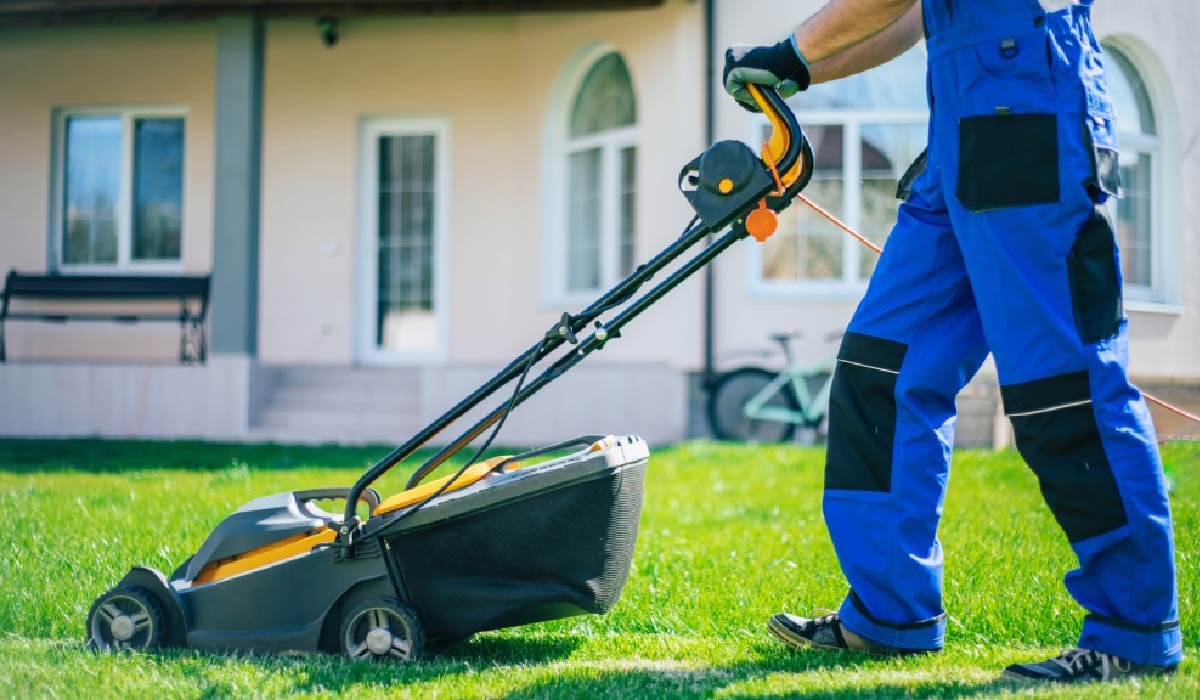
A vibrant, well-kept yard does far more than improve curb appeal; it enhances property value, supports environmental health, and creates a welcoming outdoor space for relaxation and recreation. Effective lawn maintenance is not a single task performed occasionally but a continuous, strategic process that supports soil vitality, strengthens root systems, and promotes consistent turf growth throughout changing seasons. When approached thoughtfully, lawn care becomes an investment that yields long-term aesthetic and functional benefits.
Many homeowners underestimate the complexity involved in maintaining healthy grass. Grass types differ in their nutrient requirements, tolerance to drought, and resistance to pests, while soil composition and climate conditions significantly influence maintenance routines. A structured lawn maintenance plan integrates mowing, irrigation, fertilization, aeration, pest management, and seasonal preparation into a cohesive system designed to sustain resilience and visual uniformity.
The Foundation of Effective Lawn Maintenance
Healthy turf begins below the surface, where soil quality determines root development and nutrient absorption. Without balanced soil composition and proper aeration, even the most diligent surface care will fail to produce consistent results. Conducting soil testing provides valuable insights into pH levels and nutrient deficiencies, enabling targeted fertilization strategies rather than guesswork.
Balanced soil fosters stronger root systems, allowing grass to withstand environmental stressors such as heat, heavy rainfall, and foot traffic. By focusing on foundational health rather than superficial appearance alone, lawn maintenance becomes more sustainable and cost-effective over time.
Mowing Practices That Promote Long-Term Health
Mowing is one of the most visible aspects of lawn maintenance, yet improper mowing techniques can quickly damage turf health. Maintaining the correct cutting height is essential because excessively short grass weakens roots and exposes soil to sunlight, increasing evaporation and weed growth. Most grass varieties thrive when trimmed gradually, never removing more than one-third of the blade length during a single session.
Consistent mowing schedules encourage uniform growth and prevent stress. Sharp mower blades are equally important, as dull blades tear rather than cut grass, creating ragged edges that increase susceptibility to disease. Equipment maintenance, including blade sharpening and engine inspection, should therefore be considered part of an effective lawn maintenance routine rather than an afterthought.
Strategic Watering for Deep Root Development
Watering is often misunderstood, with many assuming that frequent light watering is beneficial. In reality, shallow watering encourages weak root systems that struggle during drought conditions. Deep and infrequent watering sessions promote downward root growth, enhancing resilience and improving moisture retention.
Early morning irrigation minimizes evaporation while allowing grass blades to dry during daylight hours, reducing fungal risks. Efficient sprinkler placement ensures even coverage, preventing both waterlogging and dry patches. Incorporating smart irrigation systems further optimizes water usage, aligning lawn maintenance practices with environmental sustainability goals.
Fertilization and Nutrient Optimization
Grass requires a balanced supply of nutrients to maintain vibrant color and steady growth. Nitrogen supports leaf development, phosphorus strengthens roots, and potassium enhances overall resilience against disease and stress. However, over-fertilization can cause rapid, weak growth and environmental runoff, while under-fertilization leads to discoloration and thinning turf.
A comprehensive lawn maintenance plan incorporates soil testing to determine precise nutrient needs, followed by scheduled fertilizer applications aligned with seasonal growth cycles. Organic fertilizers contribute to improved soil structure and microbial activity, while synthetic options offer immediate nutrient availability. Combining both methods often produces balanced and lasting results.
Aeration and Soil Compaction Management
Soil compaction restricts airflow, water penetration, and root expansion, leading to weakened grass and uneven growth. Core aeration alleviates compaction by removing small plugs of soil, thereby enhancing oxygen exchange and nutrient absorption. This process is particularly beneficial in high-traffic areas where soil density increases over time.
Thatch accumulation, a layer of organic debris between grass blades and soil, can also hinder water and nutrient flow. Dethatching restores direct contact between soil and roots, improving the efficiency of lawn maintenance efforts. When aeration and dethatching are performed at appropriate intervals, turf health improves significantly.
Weed and Pest Control Through Integrated Strategies
Weeds compete with grass for nutrients, water, and sunlight, while pests and diseases threaten overall turf integrity. A proactive approach to lawn maintenance incorporates integrated pest management strategies that balance prevention and targeted intervention. Pre-emergent treatments prevent weed germination, while manual removal and minimal chemical applications maintain ecological balance.
Monitoring for early signs of infestation enables timely response, preventing widespread damage. Encouraging beneficial insects and maintaining healthy soil conditions further reduces reliance on synthetic treatments. Sustainable weed and pest control measures contribute to long-term lawn resilience.
Seasonal Adaptation in Lawn Maintenance
Seasonal transitions require adjustments in lawn maintenance in Red Oak practices to align with natural growth cycles. During spring, lawns emerge from dormancy and benefit from soil testing, aeration, and overseeding to repair winter damage. Fertilization at this stage stimulates steady growth and replenishes depleted nutrients.
Summer introduces heat stress and potential drought conditions, necessitating careful watering management and adjusted mowing heights to protect root systems. Fall is particularly important for strengthening roots before winter dormancy, making it an ideal time for fertilization and aeration. Winter preparation includes debris removal and limiting foot traffic to prevent compaction and fungal growth.
By aligning maintenance tasks with seasonal demands, homeowners preserve turf vitality throughout the year rather than reacting to problems after they appear.
Sustainable Approaches to Lawn Maintenance
Environmental awareness has reshaped modern lawn maintenance practices. Water conservation techniques, such as rainwater harvesting and drought-resistant grass varieties, reduce dependency on municipal water systems. Organic soil amendments improve microbial health and long-term fertility without introducing excessive chemicals into surrounding ecosystems.
Reducing synthetic pesticide use through integrated management strategies protects pollinators and beneficial insects while maintaining healthy turf. Sustainable lawn maintenance not only preserves aesthetic quality but also contributes positively to environmental stewardship.
Benefits of Professional Lawn Maintenance Services
Although many homeowners handle routine tasks independently, professional lawn maintenance services provide specialized knowledge and advanced equipment that enhance results. Professionals assess soil conditions, identify underlying issues, and develop customized care schedules based on grass type and climate.
Expert services often include seasonal aeration, fertilization programs, pest monitoring, and disease treatment, ensuring comprehensive coverage that may be difficult to achieve without training. Investing in professional lawn maintenance can ultimately reduce long-term costs by preventing severe damage and promoting steady turf health.
Overcoming Common Lawn Challenges
Despite diligent care, challenges may arise due to unpredictable weather, soil variability, or high foot traffic. Drought conditions may cause browning and dormancy, while excessive rainfall can lead to fungal outbreaks. Compacted soil and nutrient imbalances may result in thinning patches that require overseeding and targeted treatment.
Addressing these issues promptly prevents escalation and reinforces the importance of consistent lawn maintenance practices. Early intervention minimizes repair expenses and supports continuous growth.
Long-Term Value of Consistent Lawn Maintenance
A structured and consistent lawn maintenance plan delivers measurable benefits over time. Healthy turf enhances curb appeal, increases property value, and provides a comfortable outdoor environment for gatherings and recreation. Beyond aesthetics, properly maintained lawns contribute to erosion control, improved air quality, and moderated ground temperatures.
Investing in regular care prevents costly renovation projects and promotes ecological balance. Rather than viewing lawn maintenance as a repetitive chore, it should be recognized as an ongoing strategy that sustains both visual appeal and environmental health.
Conclusion
Lawn maintenance in Red Oak is a multifaceted process that requires thoughtful planning, consistent execution, and adaptation to environmental conditions. From soil preparation and mowing techniques to irrigation management, fertilization, aeration, and pest control, each component contributes to a cohesive system that supports turf vitality. By prioritizing sustainable practices and aligning care routines with seasonal demands, homeowners can cultivate resilient lawns that remain healthy and visually appealing throughout the year.
Whether managed independently or through professional assistance, effective lawn maintenance transforms outdoor spaces into thriving landscapes that provide beauty, functionality, and long-term value. With proper attention to soil health, nutrient balance, and strategic care, any property can achieve a lush, durable lawn that stands the test of time.
