


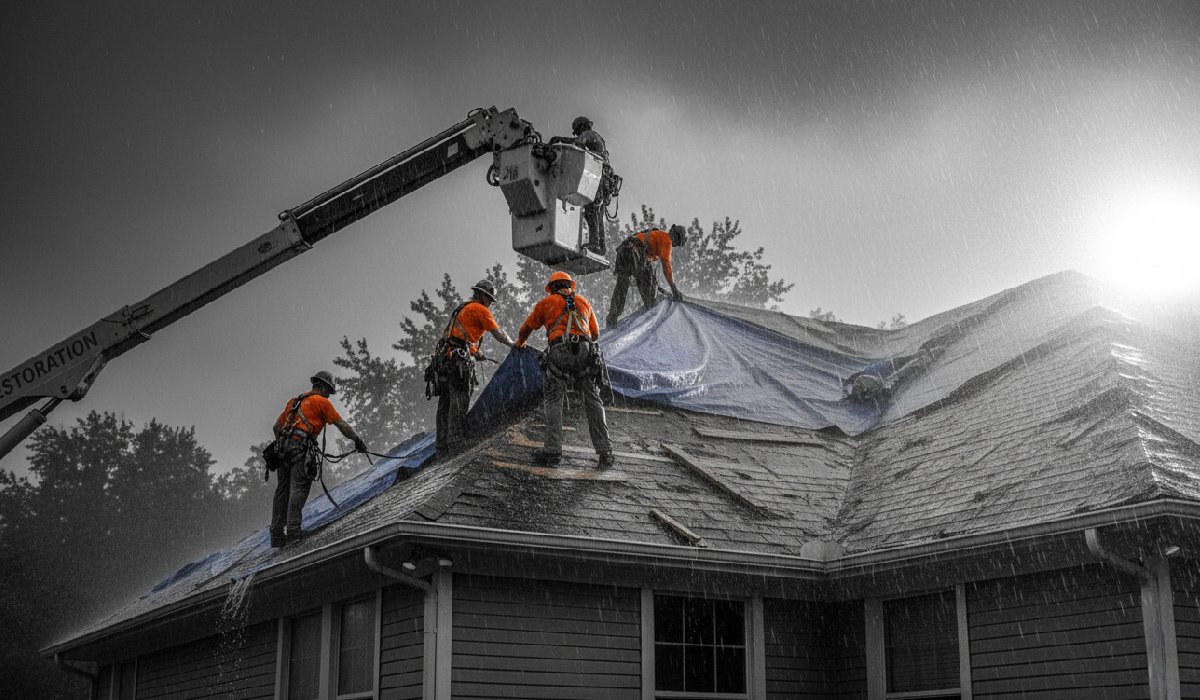
Severe weather events can cause sudden and overwhelming damage to homes and properties, leaving families uncertain about what steps to take next. Powerful winds, heavy rainfall, hail, flooding, and lightning can compromise roofing systems, siding, windows, foundations, and interior structures in a matter of minutes. The aftermath often brings emotional stress along with physical destruction. Understanding how to respond properly and move through the recovery process efficiently is essential for protecting your investment and restoring a safe living environment. A well-planned approach to storm restoration allows homeowners to minimize long-term damage, control costs, and rebuild with greater resilience.
Storm restoration is not simply about fixing what is broken. It is a comprehensive process that involves inspection, mitigation, structural repair, moisture control, and preventative improvements. When performed correctly, it restores a property to its original condition and often strengthens it against future weather events. By learning how the process works and what to expect, homeowners can make confident decisions during a challenging time.
Understanding the Full Impact of Storm Damage
Storms can affect properties in multiple ways depending on their intensity and duration. High winds may rip shingles from rooftops, loosen siding panels, shatter windows, or topple trees onto structures. Hail can dent metal components, crack shingles, and damage protective exterior coatings. Prolonged rainfall or flash flooding can lead to water intrusion through roofs, windows, doors, and foundations. Lightning strikes may result in electrical system failures or fires.
Even when exterior damage appears minimal, hidden issues may exist beneath the surface. Water can seep into insulation, framing, and subflooring, creating conditions for rot and mold growth. Structural weakening may not become visible until months later if moisture is not addressed quickly. That is why professional inspections are a critical component of effective storm restoration. A detailed assessment ensures that both visible and concealed damage are properly identified and resolved.
Immediate Steps to Take After a Storm
Safety should always be the top priority following a severe weather event. Homeowners should avoid entering areas with structural instability, exposed wiring, or standing water near electrical outlets. If the property is safe to access, documenting the damage with photographs and detailed notes is essential for insurance purposes.
Temporary protective measures can prevent additional damage while permanent repairs are arranged. Covering broken windows, placing tarps over damaged roof sections, and clearing debris from drainage systems can help limit further exposure to the elements. Acting quickly reduces the risk of water infiltration and secondary structural issues.
Prompt communication with your insurance provider is equally important. Most policies require timely reporting of storm-related damage. Understanding your coverage, deductibles, and documentation requirements will help streamline the claims process and ensure smoother coordination during storm restoration.
Professional Inspection and Damage Assessment
A comprehensive inspection by qualified professionals provides clarity on the full scope of damage. Restoration specialists evaluate roofing systems, siding, gutters, windows, foundations, and interior spaces. Advanced moisture detection equipment may be used to locate hidden water infiltration behind walls and beneath flooring materials.
Accurate assessments form the foundation of a successful restoration plan. Detailed reports and repair estimates assist insurance adjusters in determining appropriate coverage. This stage prevents overlooked damage from becoming costly problems in the future.
Storm restoration experts also begin mitigation efforts immediately when necessary. Water extraction, structural drying, and debris removal are often required before permanent repairs can proceed. Addressing moisture quickly reduces the likelihood of mold development and long-term structural deterioration.
Water Damage Mitigation and Mold Prevention
Water intrusion is one of the most destructive consequences of severe storms. Standing water can weaken structural components, damage personal belongings, and create hazardous living conditions. Rapid extraction using industrial-grade equipment is essential to limit long-term effects.
After removing visible water, high-powered air movers and dehumidifiers are deployed to eliminate residual moisture from walls, ceilings, and flooring. This drying process is critical because mold can begin developing within 24 to 48 hours in damp environments. Preventative antimicrobial treatments may also be applied to reduce microbial growth.
In cases of extensive damage, certain materials such as drywall, insulation, and carpeting may need to be removed and replaced. While this can be disruptive, it ensures that hidden moisture does not compromise structural integrity. Proper water mitigation is a central element of effective storm restoration and lays the groundwork for safe rebuilding.
Roof and Exterior Repairs
The roof is often the most vulnerable part of a property during a storm. Missing shingles, punctures from flying debris, and damaged flashing can allow water to infiltrate the interior. Prompt repair or replacement protects underlying structural components and prevents escalating damage.
Siding and exterior cladding may suffer cracks, dents, or detachment due to wind and hail impact. Repairing these elements restores weather resistance and energy efficiency. Gutters and downspouts should also be inspected for blockages or misalignment, as proper drainage is essential for preventing foundation damage.
Storm restoration professionals ensure that exterior repairs are completed using durable materials designed to withstand future weather events. Strengthening vulnerable areas enhances long-term protection and reduces the risk of repeated damage.
Interior Restoration and Structural Repair
Once exterior vulnerabilities are secured, interior restoration begins. Damaged drywall, flooring, ceilings, and insulation may require removal and replacement. Structural components such as beams or framing may need reinforcement if they were weakened by water exposure.
Electrical systems and plumbing should be inspected by licensed professionals to ensure safety. Water exposure can compromise wiring, outlets, and appliances, creating potential hazards if not properly addressed. Restoring these systems ensures that the home functions safely and efficiently after repairs.
Cosmetic repairs, including painting and refinishing surfaces, complete the restoration process. While aesthetics may seem secondary to structural concerns, restoring the visual appeal of a home plays an important role in emotional recovery and overall satisfaction.
Navigating the Insurance Claims Process
The insurance claims process can be complex and time-consuming, especially during widespread storm events when adjusters handle numerous cases simultaneously. Clear communication, thorough documentation, and organized records are essential for a successful claim.
Providing photographs, inspection reports, and itemized repair estimates strengthens your case. Meeting with the adjuster allows you to review findings and clarify any discrepancies. Working with experienced restoration professionals can simplify coordination and ensure that necessary repairs are properly documented.
Understanding the details of your policy helps prevent misunderstandings. Some policies cover wind and hail damage but require additional coverage for flooding. Being informed allows you to advocate effectively throughout the storm restoration process.
Strengthening Your Property for the Future
Restoration presents an opportunity to improve resilience against future storms. Upgrading roofing materials, installing impact-resistant windows, reinforcing doors, and improving drainage systems can significantly enhance protection. Sealing vulnerable areas reduces the likelihood of water intrusion during heavy rainfall.
Regular maintenance further supports storm preparedness. Cleaning gutters, trimming trees, inspecting roofing systems, and sealing cracks around windows and doors help minimize potential damage. A proactive approach reduces both risk and recovery time after future weather events.
Investing in preventative upgrades during storm restoration not only improves durability but may also increase property value. Buyers often appreciate homes that have been reinforced against severe weather.
Choosing the Right Restoration Professionals
Selecting experienced and reputable professionals is essential for achieving high-quality results. Verify licensing, insurance coverage, and references before entering into agreements. Detailed written estimates should clearly outline the scope of work, materials, timelines, and warranty information.
Reliable contractors maintain transparent communication and adhere to safety standards. They coordinate inspections, manage cleanup, and ensure compliance with building codes. Trustworthy experts make the storm restoration in Rockland County, NY process smoother and more manageable during an already stressful time.
Avoid rushing into decisions without proper research. While timely action is important, selecting qualified professionals ensures long-lasting repairs and dependable performance.
Conclusion: Building Back with Strength and Confidence
Recovering from severe weather requires more than temporary fixes. It demands a strategic and comprehensive approach that addresses both immediate damage and long-term resilience. Storm restoration is a critical process that restores safety, protects structural integrity, and renews confidence in your living environment.
By acting quickly, documenting damage thoroughly, and partnering with experienced professionals, homeowners can transform a difficult situation into an opportunity for improvement. With careful planning and high-quality workmanship, storm restoration not only repairs what was lost but builds a stronger, more durable foundation for the future.
