


Finding a preschool and daycare center near me can feel overwhelming, but you can quickly narrow your options by focusing on licensing, location, and the learning approach that matches your child’s needs. Start by checking nearby licensed centers, inspection reports, and available programs so you can pick a safe, convenient place that supports your child’s development.
This post will guide you through practical choices—what to look for during visits, how to compare curricula and staff qualifications, and the local benefits of choosing a neighborhood program. You’ll leave with clear next steps to find the best fit for your family.
How to Choose the Right Preschool and Daycare Center Near Me
You should focus on places that match your child’s temperament, your schedule, and your safety standards. Prioritize staff-to-child ratios, daily routines, and clear communication practices when comparing options.
Key Factors for Selecting Childcare Centers
Look for staff-to-child ratios that fit your child’s age: smaller groups for infants (typically 1:3–1:4) and larger for preschoolers (often 1:8–1:10). Ask how many lead teachers are assigned per room and how long staff typically stay—their experience affects consistency.
Evaluate daily schedules for routines you value: nap times, outdoor play, meals, and transition periods. Check whether the center follows written policies on illness, drop-off/pick-up, and behavior guidance. Visit during operating hours to observe interactions and child engagement.
Confirm logistics: location, hours that match your work, waitlist policies, tuition, and extra fees. Ask about parent communication: daily reports, apps, regular conferences, and how the center handles emergencies.
Safety and Licensing Considerations
Verify the center’s license and recent inspection results from your state or local licensing agency. Request to see certification copies and ask about any past violations or corrective action plans.
Check staff background procedures: criminal background checks, TB testing, CPR/first-aid certification, and ongoing training schedules. Walk through the facility to confirm secure entry/exit systems, fenced outdoor play areas, functioning smoke detectors, and clear evacuation plans posted.
Inspect health and hygiene practices: handwashing routines, diapering procedures, cleaning frequency for toys and surfaces, and policies for sick-child exclusion. Ask how they manage allergies and medication administration—get sample forms and staff training details.
Educational Curriculum and Learning Approaches
Ask which curriculum or framework the center uses (e.g., Montessori, Reggio Emilia, play-based, or state early learning standards) and request sample weekly lesson plans. Look for concrete examples of classroom activities that build language, motor, social, and pre-academic skills.
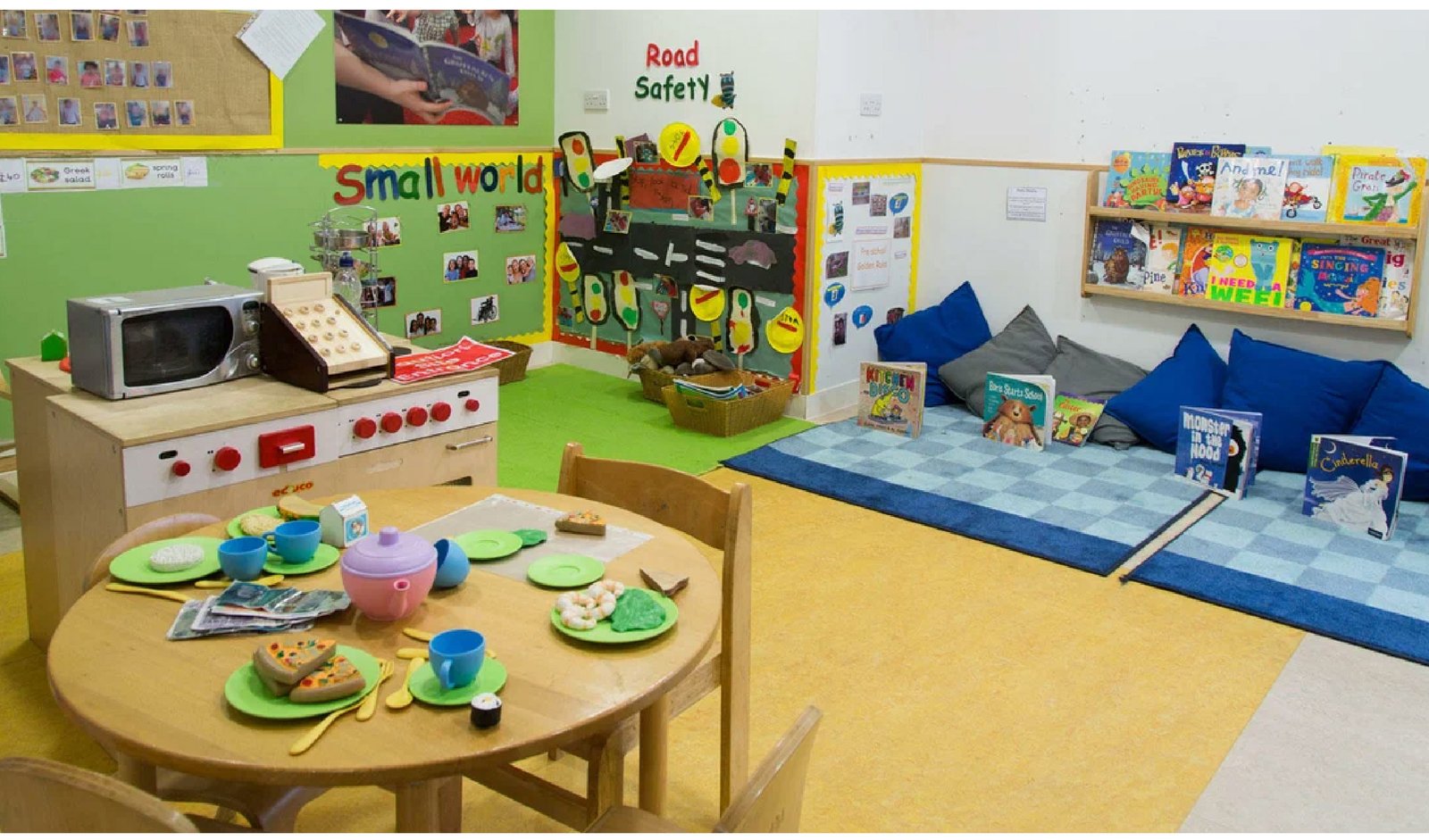
Observe teacher-child interactions: do teachers follow children’s interests, scaffold learning, and use open-ended questions? Check for intentional materials—books, blocks, art supplies—and how the environment is organized to encourage exploration and independence.
Clarify assessment and communication: how does the center track developmental progress, share milestones with you, and set goals? Ask about transitions to kindergarten, parent-teacher conferences, and any support for speech, occupational, or behavioral needs.
Benefits of Local Preschool and Daycare Centers
Local preschools and daycare centers build social skills, early literacy and numeracy, and provide predictable schedules and proximity that simplify daily routines and emergency planning.
Social and Cognitive Development Advantages
You’ll see peers model sharing, turn-taking, and problem-solving during daily routines and guided play. Small-group activities boost language skills through conversation, storytelling, and teacher-led phonemic games that strengthen early reading readiness. Structured circle time, puzzles, and counting games reinforce attention span, working memory, and basic math concepts. Teachers use observation and intentional teaching to tailor activities to each child’s developmental level, so your child gets targeted support for delays or advanced skills. Regular interaction with peers from diverse backgrounds improves emotion recognition and self-regulation, which helps during transitions to kindergarten.
Convenience for Families in the Community
A nearby center reduces commute time, letting you use that time for work, rest, or family tasks. You’ll benefit from consistent hours, emergency pickup options, and coordinated holiday schedules with local employers and schools. On-site health and safety checks, easy access to vaccination records, and quick communication with staff speed up decisions during illnesses or incidents. Local centers often partner with neighborhood programs—library story hours, parks, and pediatric clinics—so you can coordinate appointments and community activities efficiently.
