


In today’s fast-paced hospitality industry, efficiency and customer satisfaction are crucial. Restaurants face intense competition, and managing operations effectively can directly impact profits. Modern pos for restaurants systems have become indispensable tools for restaurants, helping reduce staff workload while enhancing revenue. This article explores how POS systems achieve these benefits.
1. Streamlining Order Management
Simplified Order Entry
Modern POS systems allow servers to enter orders quickly and accurately, reducing human errors and miscommunication. Touchscreen interfaces and pre-configured menus ensure seamless order entry and faster processing. Special requests and menu modifications are handled efficiently, improving the overall dining experience. By simplifying order entry, staff workload is reduced, and operational efficiency increases significantly.
Orders are automatically categorized by course, preparation time, or table, helping the kitchen prioritize efficiently. This eliminates delays caused by manual sorting or misplaced tickets, especially during peak hours. By automating the workflow, restaurants maintain consistent service and food quality. Faster and more accurate order entry enhances both staff performance and customer satisfaction.
Kitchen Integration
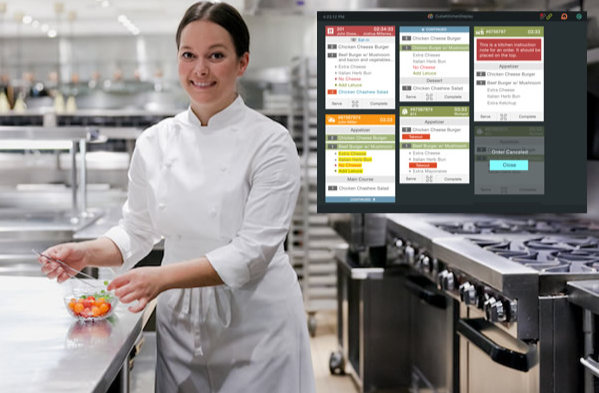
POS systems with integrated kitchen display systems (KDS) send orders directly to the kitchen in real time. POS for restaurants ensures that printed tickets are unnecessary, which reduces mistakes and improves communication between front-of-house and kitchen staff. Chefs can prioritize meals and monitor preparation times efficiently, ensuring timely service. Kitchen integration keeps operations smooth and prevents bottlenecks during busy periods.
KDS also tracks the status of each order, allowing staff to update customers accurately about wait times. This improves transparency and reduces complaints while enhancing the dining experience. Integration between POS and kitchen ensures consistent food preparation standards. Ultimately, restaurants operate faster and more efficiently with minimal staff stress.
2. Automating Billing and Payments
Quick Billing
Modern POS for restaurants automate billing, generating accurate receipts instantly without manual calculations. Taxes, discounts, and service charges are automatically applied, reducing errors significantly. Quick billing saves time for both staff and customers, allowing tables to turn faster. Efficient billing improves operational flow and helps restaurants serve more patrons without delays.
Automation also allows servers to focus on customer service rather than paperwork, enhancing the overall dining experience. By eliminating human errors, restaurants reduce disputes and ensure smooth financial operations. Faster billing directly improves staff productivity and customer satisfaction. This contributes to higher revenue and operational efficiency over time.
Multiple Payment Options
POS systems accept multiple payment methods, including cash, credit/debit cards, and digital wallets. Contactless and online payment options provide convenience for customers while speeding up checkout. Offering various payment choices increases customer satisfaction and encourages repeat visits. Multiple payment options also reduce bottlenecks during peak hours, improving service efficiency.
Automated payment reconciliation ensures accurate financial records without manual tracking. Discrepancies are minimized, making accounting simpler and more reliable. Restaurants can focus on core operations instead of reconciling errors. This system increases transparency, reduces staff workload, and improves overall operational efficiency.
3. Inventory Management Made Easy
Real-Time Tracking
POS systems monitor inventory levels in real time, alerting managers when stock is low or over-ordered. This prevents shortages of popular items and ensures menu availability at all times. Accurate tracking reduces waste and improves ordering efficiency. Using a restaurant pos system, managers can oversee stock levels efficiently and make timely purchasing decisions to prevent disruptions.
Detailed tracking also allows for better menu planning and preparation for peak periods. Restaurants can anticipate demand and adjust stock levels to reduce spoilage. Timely alerts prevent interruptions in service due to missing ingredients. Efficient inventory management saves costs and ensures smooth restaurant operations.
Detailed tracking also allows for better menu planning and preparation for peak periods. Restaurants can anticipate demand and adjust stock levels to reduce spoilage. Timely alerts prevent interruptions in service due to missing ingredients. Efficient inventory management saves costs and ensures smooth restaurant operations.
Cost Control
POS systems analyze sales and inventory usage to control food costs and purchasing decisions. POS for restaurants provides detailed reports to identify slow-moving items and optimize inventory purchases. Automation reduces human error in stock management, minimizing unnecessary expenses. Effective cost control directly impacts profit margins and overall financial health.
Reports generated by POS systems highlight trends in ingredient usage and expenses. Managers can negotiate better with suppliers based on accurate data. Controlling costs efficiently allows restaurants to allocate resources strategically. This improves profitability while maintaining quality and operational efficiency.
4. Employee Management Simplified
Shift Scheduling
POS systems help managers schedule shifts efficiently, considering peak hours and employee availability. Automated scheduling reduces conflicts and ensures adequate staffing levels. Employees can view schedules, request changes, and track hours directly within the system. Optimized shift management improves staff satisfaction and reduces administrative workload.
Proper scheduling also reduces overstaffing, saving labor costs while maintaining service quality. Managers can allocate staff to high-demand periods to prevent slowdowns. Automation ensures accurate tracking of hours worked and attendance. Efficient shift planning enhances productivity and operational control.
Performance Monitoring
POS systems track employee performance, including sales metrics and service efficiency. POS for restaurants enables managers to identify top performers and provide targeted training for improvement. Monitoring performance encourages accountability and motivates staff to excel. Data-driven performance management improves both staff morale and operational output.
This also allows recognition and reward programs to be implemented seamlessly. Employees feel valued when achievements are acknowledged through measurable metrics. Monitoring performance ensures consistent service quality across shifts. Efficient performance tracking reduces errors and enhances overall productivity.
5. Enhancing Customer Experience
Faster Service
POS systems speed up order processing, preparation, and billing, reducing wait times for customers. POS for restaurants helps improve table turnover, allowing restaurants to serve more guests efficiently. Real-time tracking of orders ensures accuracy and timely delivery of meals. Quick service enhances customer satisfaction and loyalty, leading to repeat business.
POS systems can store customer preferences and previous orders for a personalized experience. Staff can recommend favorite items or recall dietary preferences quickly. Personalized service strengthens relationships and improves overall dining satisfaction. Fast, attentive service positions restaurants as efficient and customer-friendly.
Loyalty Programs
Modern POS systems integrate loyalty programs that reward customers automatically. Points, discounts, and special offers can be applied seamlessly at checkout. Loyalty programs encourage repeat visits and increase customer engagement. Automated tracking of rewards reduces staff workload and ensures accuracy.
Restaurants can analyze loyalty data to offer targeted promotions for maximum impact. Personalized rewards enhance the customer experience and build brand loyalty. Implementing such programs is simple with integrated POS solutions. Loyalty programs increase both satisfaction and revenue over time.
6. Data-Driven Decision Making
Sales Analytics
POS systems generate detailed sales reports to identify trends, peak hours, and top-selling items. POS for restaurants provides actionable insights that allow managers to adjust menus, promotions, and staffing decisions effectively. Data-driven strategies improve operational efficiency and revenue generation. Analyzing sales patterns ensures informed decision-making and reduces guesswork.
Reports also help identify underperforming items and adjust pricing strategies accordingly. Restaurants can plan marketing campaigns based on actual customer behavior. Understanding trends leads to better resource allocation and optimized operations. Sales analytics improve profitability while minimizing unnecessary expenditures.
Expense Tracking
POS systems track all operational expenses, including labor, inventory, and utilities. Accurate expense tracking helps managers detect inefficiencies and control budgets effectively. Monitoring costs in real time allows timely adjustments to prevent overspending. This ensures that restaurants maintain profitability without compromising service quality.
Automated tracking reduces manual accounting errors and simplifies financial reporting. Managers gain a clear view of operational costs, enabling better strategic planning. Expense management enhances overall efficiency and resource allocation. POS systems provide actionable insights that drive financial stability and growth.
7. Boosting Profits
Upselling and Cross-Selling
POS systems suggest upsell and cross-sell opportunities automatically to staff during order entry. POS for restaurants recommends add-ons, drinks, or desserts to increase the average check per customer. Automation ensures revenue opportunities are maximized without relying on memory. Effective upselling directly boosts restaurant profitability and sales performance.
Staff gain confidence with automated suggestions, reducing missed opportunities. Data-backed prompts help offer relevant items to each customer. Consistent upselling enhances both revenue and customer experience. This feature is crucial for maximizing profits in competitive dining environments.
Reduced Operational Costs
By automating orders, billing, inventory, and staffing, POS systems lower operational costs significantly. Reduced human error, minimized wastage, and improved labor efficiency save money. Administrative workload decreases, allowing staff to focus on service quality. Lower operational costs combined with higher sales lead to increased overall profitability.
Automation also allows better planning of purchases, schedules, and resource allocation. Restaurants can identify inefficiencies and correct them proactively. Streamlined operations improve workflow and service quality simultaneously. Reducing costs while improving efficiency directly contributes to higher margins and sustained growth.
Final Analysis
Modern POS for restaurants transforms the way restaurants operate, reducing workload while boosting profits. By streamlining order management, automating billing, simplifying inventory and employee management, and providing actionable insights, restaurants gain a competitive edge. These systems improve efficiency, accuracy, and customer satisfaction simultaneously, creating a smoother workflow.
Investing in a modern POS system ensures that restaurants operate efficiently, maximize revenue, and maintain high service standards. Data-driven insights allow owners to make informed decisions, optimize costs, and improve profitability. With faster service, personalized experiences, and automated processes, POS for restaurants is essential for modern restaurants. The result is higher profits, satisfied staff, and delighted customers.
