


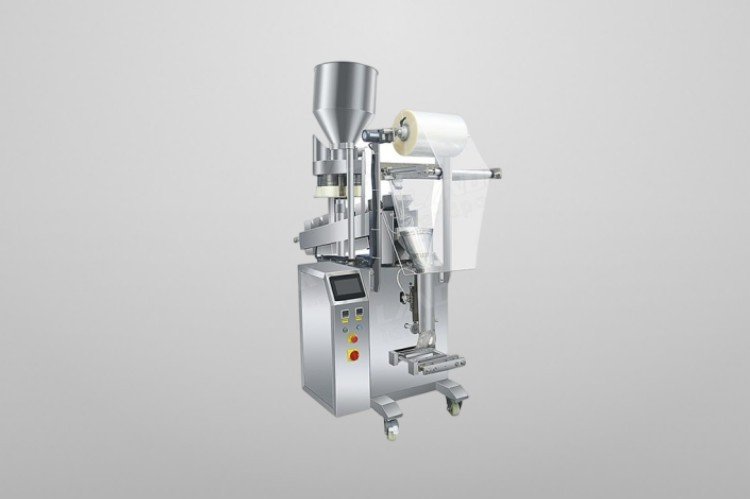
Flour packaging operations face mounting pressure to balance cost control with consistency demands. Production managers juggle labor availability, quality standards, and throughput requirements while evaluating equipment that determines their facility’s operational reliability for years ahead. The choice between manual, semi-automatic, and fully automatic filling systems affects everything from daily workflow efficiency to long-term staffing strategies.
These decisions carry weight beyond immediate budget considerations. Equipment selection influences product consistency, workplace safety protocols, and the facility’s ability to scale production without compromising quality. Understanding how each system type performs under real operational conditions helps facilities make informed choices that align with both current needs and future growth plans.
Understanding Flour Bag Filling System Categories
Flour bag filling systems fall into three distinct operational categories, each designed to address specific production environments and business requirements. Manual systems rely entirely on human operators for bag positioning, filling control, and sealing operations. Semi-automatic systems combine operator oversight with mechanized filling processes, while fully automatic systems handle the complete packaging sequence with minimal human intervention.
The distinction between these categories extends beyond automation levels to encompass different approaches to quality control, production planning, and operational risk management. A flour bag filling machine in the manual category operates fundamentally differently from its automatic counterpart, requiring different facility layouts, staffing models, and maintenance approaches.
Production facilities typically select systems based on their current volume requirements, available labor resources, and quality consistency needs. However, the operational implications of each system type affect daily workflow patterns, training requirements, and the facility’s ability to maintain consistent output during peak demand periods.
Manual System Characteristics
Manual filling systems place operators at the center of every packaging decision. Workers position bags, control fill volumes through visual assessment or simple scales, and manage sealing operations through handheld or foot-operated equipment. This approach provides maximum flexibility for handling varying bag sizes, custom orders, or specialty flour products that require specific handling protocols.
The human element in manual systems creates both advantages and operational considerations. Experienced operators develop intuitive understanding of proper fill levels and can adjust techniques for different flour types or environmental conditions. However, this same human involvement introduces variability in fill weights, packing density, and processing speed that can affect overall production consistency.
Manual systems typically require minimal initial investment and offer straightforward maintenance requirements. Facilities can implement these systems without extensive electrical infrastructure or complex programming, making them accessible for smaller operations or those with limited technical support capabilities.
Semi-Automatic System Operations
Semi-automatic systems bridge manual flexibility with mechanized consistency by automating specific portions of the filling process while maintaining operator control over critical decision points. These systems typically feature automated weighing mechanisms, controlled dispensing rates, and integrated dust collection, while operators handle bag positioning, system initiation, and quality verification.
The hybrid nature of semi-automatic systems allows facilities to achieve more consistent fill weights and processing speeds than manual operations while retaining the ability to accommodate product variations or special packaging requirements. Operators can adjust fill parameters between batches, respond to quality concerns in real-time, and maintain direct oversight of the packaging process.
These systems often incorporate programmable controls that store settings for different product specifications, enabling quick transitions between flour types or bag sizes without extensive reconfiguration. This capability proves particularly valuable for facilities handling multiple product lines or custom packaging requirements.
Production Volume and Throughput Considerations
Production volume requirements significantly influence system selection by determining the operational pace needed to meet business commitments. Manual systems typically process between 200 to 800 bags per shift, depending on bag size and operator experience. This throughput range suits smaller operations, specialty producers, or facilities with highly variable production schedules.
Semi-automatic systems generally achieve throughput rates of 800 to 2,500 bags per shift while maintaining more consistent fill accuracy than manual operations. These systems accommodate medium-scale production facilities that need reliable output without the complexity of fully automated lines.
Fully automatic systems can process 2,000 to 8,000 bags per shift or more, depending on system design and integration with upstream processes. These high-capacity systems suit large-scale operations with consistent demand patterns and established quality management protocols.
Scaling Implications
Understanding how each system type responds to increased production demands helps facilities plan for growth without facing operational bottlenecks. Manual systems scale primarily through additional operators and work stations, which increases labor costs proportionally with volume increases. This scaling approach works well for gradual growth or seasonal demand variations.
Semi-automatic systems offer better scaling efficiency by increasing per-operator productivity without proportional staffing increases. Facilities can often double throughput by adding a second shift or implementing parallel semi-automatic lines with existing staff.
Fully automatic systems provide the most dramatic scaling potential but require substantial upfront investment and integration planning. These systems excel when facilities need to increase capacity significantly while maintaining tight quality controls and minimizing labor dependency.
Demand Variability Response
Different system types respond differently to fluctuating production demands, affecting facility flexibility and operational efficiency. Manual systems adapt quickly to volume changes by adjusting staffing levels or work hours without equipment reconfiguration. This flexibility proves valuable for contract packaging operations or facilities with unpredictable order patterns.
Semi-automatic systems balance responsiveness with efficiency by allowing facilities to adjust production rates through operator scheduling while maintaining mechanized consistency. These systems work well for facilities with moderate demand variability that need predictable quality standards.
Fully automatic systems perform best with consistent production schedules but may face efficiency challenges during low-volume periods due to setup requirements and minimum viable batch sizes. However, their ability to maintain quality and throughput during peak demand periods often justifies the investment for high-volume operations.
Labor Requirements and Workforce Impact
Labor considerations affect both immediate operational costs and long-term facility management strategies. Manual systems typically require two to four operators per line, depending on bag size and throughput targets. These operators need basic training on proper filling techniques, safety protocols, and quality standards, but extensive technical expertise is not necessary.
The skill requirements for manual system operators focus on physical capability, attention to detail, and understanding of product quality indicators. Facilities can typically train new operators within a few days and achieve reasonable proficiency within several weeks of regular operation.
Semi-automatic systems reduce operator requirements to one or two workers per line while increasing the technical knowledge needed for effective operation. These operators must understand system controls, troubleshoot minor mechanical issues, and maintain quality standards through both automated monitoring and visual inspection.
Training and Skill Development
Training requirements vary significantly between system types, affecting both initial implementation timelines and ongoing workforce development costs. Manual system training focuses on proper lifting techniques, fill assessment skills, and safety protocols. Most facilities can implement comprehensive training programs using existing experienced staff as mentors.
Semi-automatic systems require more structured training programs that cover mechanical operations, control system functions, and preventive maintenance procedures. According to the Occupational Safety and Health Administration, proper equipment training reduces workplace injuries and improves operational efficiency across industrial packaging operations.
Fully automatic systems demand the most extensive training investment, often requiring specialized technical education or manufacturer-provided certification programs. Operators must understand complex control systems, diagnostic procedures, and integration protocols that affect overall production line performance.
Workforce Stability Considerations
Different system types create different workforce stability requirements and career development opportunities. Manual systems can accommodate higher employee turnover due to simpler training requirements and lower skill barriers. However, experienced manual operators develop valuable expertise that significantly improves efficiency and quality consistency.
Semi-automatic systems benefit from workforce stability due to increased technical knowledge requirements and more complex training investments. These systems often provide good career development opportunities as operators gain mechanical and technical skills applicable throughout the facility.
Fully automatic systems require stable, technically trained workforces to maintain optimal performance. The investment in operator training and the complexity of troubleshooting procedures make employee retention critical for maintaining operational efficiency and system reliability.
Quality Control and Consistency Factors
Quality control approaches differ substantially between system types, affecting both product consistency and compliance capabilities. Manual systems rely primarily on operator skill and visual assessment for quality control, supported by periodic weighing and inspection procedures. This approach provides flexibility for addressing quality concerns in real-time but introduces variability based on operator experience and attention levels.
The human element in manual quality control enables rapid response to unusual conditions, product variations, or packaging anomalies that might challenge automated systems. Experienced operators can adjust filling techniques based on flour characteristics, environmental conditions, or specific customer requirements without system reconfiguration.
However, manual quality control faces inherent limitations in maintaining consistent standards across shifts, operators, and production periods. Fill weight variations, sealing quality differences, and handling inconsistencies can affect product uniformity and customer satisfaction.
Automated Quality Monitoring
Semi-automatic systems typically incorporate automated weighing systems, fill level sensors, and basic quality monitoring capabilities while maintaining operator oversight for final quality decisions. These systems can detect and correct fill weight variations automatically while alerting operators to potential quality issues requiring attention.
The combination of automated monitoring with human judgment in semi-automatic systems often produces optimal quality outcomes for facilities with moderate consistency requirements. Operators can leverage automated accuracy while applying experience-based decisions for unusual situations or product variations.
Fully automatic systems integrate comprehensive quality monitoring throughout the packaging process, including precise weight control, seal integrity testing, and automated rejection systems for non-conforming packages. These systems excel at maintaining tight quality specifications consistently across large production volumes.
Documentation and Traceability
Quality documentation requirements increasingly influence system selection as facilities face regulatory compliance demands and customer traceability expectations. Manual systems typically require paper-based logging systems and manual data collection, which can be time-consuming and prone to documentation errors.
Semi-automatic systems often include basic data logging capabilities that record fill weights, production counts, and operational parameters while allowing manual input for batch information and quality observations. This hybrid approach balances documentation accuracy with operational flexibility.
Fully automatic systems provide comprehensive data collection and reporting capabilities that support detailed traceability, statistical process control, and regulatory compliance requirements. These systems can automatically generate production reports, maintain historical records, and integrate with facility-wide quality management systems.
Investment and Operating Cost Analysis
Initial investment requirements create the most obvious distinction between system types, but total cost of ownership considerations provide a more complete picture for financial planning. Manual systems typically require initial investments of $5,000 to $25,000, depending on ancillary equipment like scales, conveyors, and dust collection systems.
These lower capital requirements make manual systems accessible for smaller operations or facilities testing new product lines without major financial commitments. However, the ongoing labor costs and potential quality-related expenses must be factored into long-term financial projections.
Semi-automatic systems generally require initial investments ranging from $25,000 to $150,000, depending on automation level, integration requirements, and optional features. The higher upfront costs typically offset through reduced labor requirements and improved consistency over operational periods of three to seven years.
Operating Cost Structures
Operating cost patterns vary significantly between system types due to different labor, maintenance, and utility requirements. Manual systems generate minimal equipment-related operating costs but require substantial ongoing labor expenses that increase proportionally with production volume.
Labor costs for manual systems include not only direct operator wages but also benefits, training expenses, and potential overtime requirements during peak production periods. These costs can represent 60 to 80 percent of total operating expenses for manual packaging operations.
Semi-automatic systems reduce labor costs while introducing moderate maintenance and utility expenses related to automated components. The balance between reduced labor requirements and increased technical complexity often produces favorable operating cost structures for medium-volume operations.
Return on Investment Considerations
Return on investment calculations must account for both direct financial returns and operational improvements that affect overall facility performance. Manual systems may provide adequate returns for low-volume operations or facilities with abundant low-cost labor, particularly when product variations require frequent adjustments.
Semi-automatic systems often generate attractive returns for facilities processing 1,000 to 5,000 bags daily by reducing labor costs while improving consistency and throughput. The payback period typically ranges from two to five years, depending on labor cost differentials and volume growth patterns.
Fully automatic systems require careful analysis of volume projections, labor cost trends, and quality requirements to justify substantial initial investments. These systems typically provide strong returns for high-volume operations with consistent demand patterns and stringent quality requirements.
Maintenance and Reliability Requirements
Maintenance requirements directly affect both operating costs and production reliability, making them critical factors in system selection. Manual systems typically require minimal scheduled maintenance beyond basic cleaning, calibration of scales, and periodic replacement of wear components like sealing elements or conveyor belts.
The simplicity of manual systems reduces both the technical expertise required for maintenance and the potential for complex mechanical failures. Most maintenance tasks can be performed by facility staff with basic mechanical skills, reducing dependency on specialized service technicians or vendor support.
However, manual systems still require consistent attention to cleanliness, calibration accuracy, and component wear to maintain quality standards and operational safety. Neglecting basic maintenance can lead to quality issues, safety hazards, or equipment failures that disrupt production schedules.
Technical Maintenance Complexity
Semi-automatic systems introduce moderate maintenance complexity through automated components like pneumatic actuators, electronic controls, and mechanical dispensing mechanisms. These systems require scheduled maintenance programs that address both mechanical and electrical components while maintaining calibration accuracy.
The maintenance requirements for semi-automatic systems typically exceed facility capabilities for major repairs or complex troubleshooting, necessitating relationships with qualified service providers or manufacturer support programs. However, routine maintenance and minor adjustments can often be handled by facility maintenance staff with appropriate training.
Fully automatic systems require comprehensive maintenance programs that address complex mechanical systems, sophisticated control electronics, and integrated quality monitoring equipment. These systems demand either highly skilled internal maintenance capabilities or ongoing service contracts with specialized technicians.
Reliability and Downtime Impact
Production reliability affects customer commitments, inventory management, and overall facility efficiency. Manual systems generally provide good reliability due to their simplicity, but remain vulnerable to operator-related delays, repetitive strain injuries, or quality control issues that require production adjustments.
The reliability of manual systems depends heavily on workforce stability, training effectiveness, and management oversight. Well-managed manual operations can achieve consistent performance, while inadequately supervised systems may experience significant variability in both throughput and quality.
Semi-automatic systems typically provide improved reliability through reduced dependency on operator consistency while introducing potential mechanical failure modes that can affect production schedules. Preventive maintenance programs and operator training significantly influence overall system reliability.
Future-Proofing and Scalability Planning
Long-term facility planning requires understanding how each system type accommodates changing business requirements, regulatory developments, and market conditions. Manual systems provide maximum flexibility for product changes, custom packaging requirements, or market experimentation but offer limited scalability for significant volume growth.
The adaptability of manual systems proves valuable for facilities serving diverse markets, handling seasonal products, or developing new packaging concepts. These systems can accommodate new bag sizes, different closure types, or special handling requirements without equipment modifications or programming changes.
However, manual systems face inherent limitations when facilities need to increase capacity significantly, improve consistency standards, or reduce labor dependency due to workforce availability challenges.
Technology Integration Potential
Integration capabilities affect how well each system type can adapt to evolving facility management systems, quality control requirements, and regulatory documentation needs. Manual systems typically require substantial modification or replacement to accommodate integrated data collection, automated quality monitoring, or facility-wide production management systems.
Semi-automatic systems often provide good integration potential through programmable controls, data collection capabilities, and communication interfaces that connect with facility management systems. These systems can evolve with changing requirements through software updates and accessory additions.
Fully automatic systems offer comprehensive integration capabilities that support current operational needs while providing platforms for future technological enhancements. These systems can typically accommodate new quality monitoring requirements, data collection standards, or automation upgrades through system modifications rather than complete replacement.
Market Adaptation Capabilities
Market responsiveness becomes increasingly important as customer expectations evolve and competitive pressures intensify. Manual systems excel at accommodating special requests, custom packaging requirements, or small-batch specialty products that require individual attention.
The flexibility of manual operations enables facilities to test new products, experiment with packaging innovations, or respond to unique customer requirements without significant equipment investments or reconfiguration delays.
Semi-automatic and fully automatic systems provide different types of market responsiveness through consistent quality, reliable delivery schedules, and cost-effective production of standard products. These systems enable facilities to compete effectively in price-sensitive markets while maintaining quality standards that support brand reputation.
Making the Right Choice for Your Operation
Selecting the optimal flour bag filling system requires balancing current operational needs with long-term business objectives while considering resource constraints and growth projections. Manual systems suit facilities prioritizing flexibility, managing limited capital resources, or serving markets with highly variable requirements.
Semi-automatic systems often provide optimal solutions for facilities seeking improved consistency and efficiency without the complexity and investment requirements of fully automatic systems. These systems accommodate moderate growth, provide good quality control, and maintain operational flexibility for changing requirements.
Fully automatic systems serve facilities with high-volume requirements, stringent quality standards, and stable product specifications. The substantial investment and operational complexity of these systems require careful planning but can provide significant competitive advantages through consistency, efficiency, and scalability.
The decision ultimately depends on accurately assessing current operational challenges, realistic growth projections, and the facility’s capability to support different levels of technological complexity. Understanding these factors enables informed decisions that support both immediate operational needs and long-term business success.
