


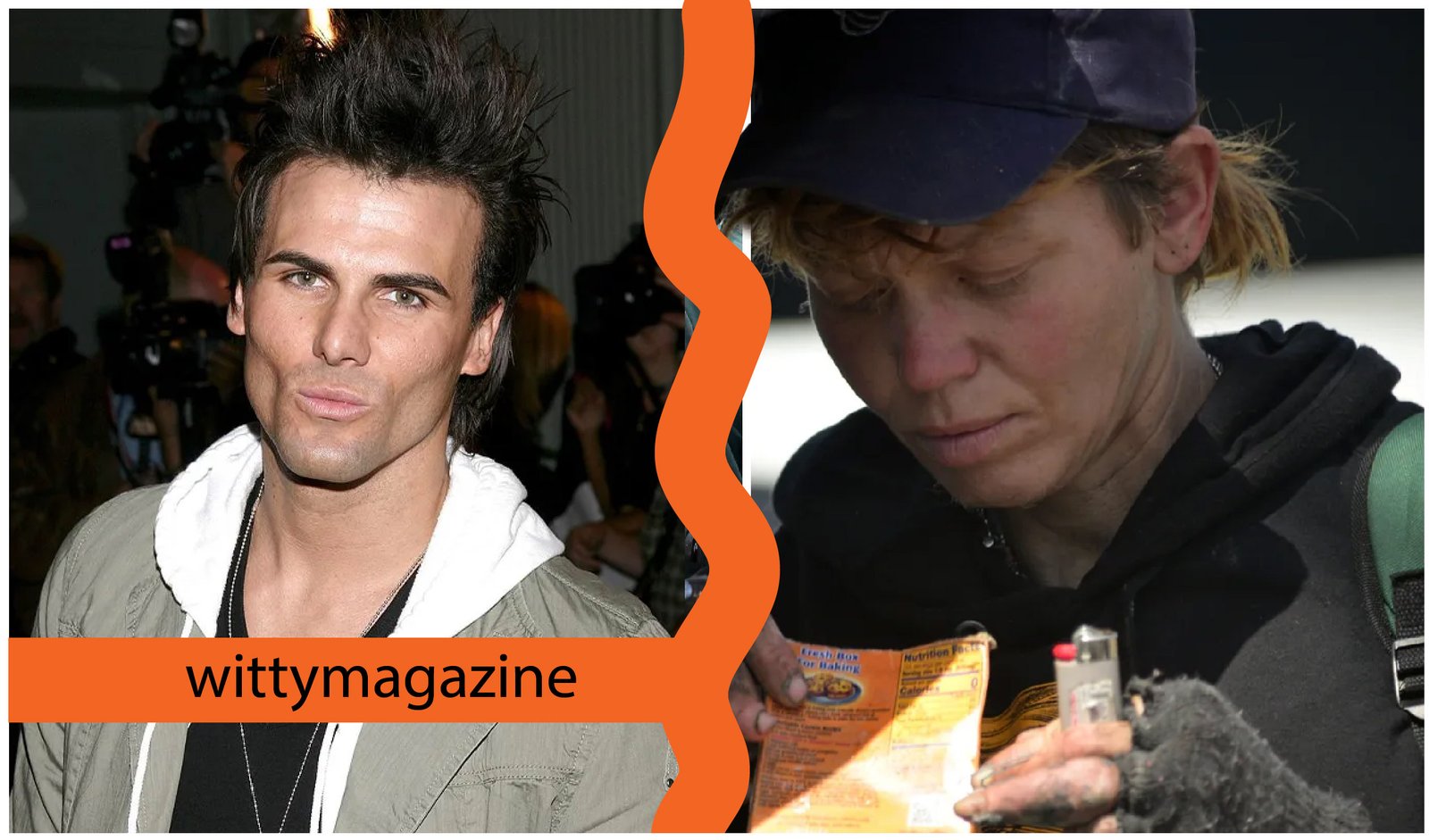
Loni Willison’s story is one of the most tragic and widely discussed downfalls in recent Hollywood memory. Once a rising fitness model celebrated for her toned physique, magazine features, and promising career, she lived a life many admired from afar. Her marriage to Baywatch star Jeremy Jackson brought her further into the public spotlight, but behind the scenes, her life was slowly unraveling. Emotional stress, an unstable marriage, mental health struggles, and eventual addiction began shaping a darker chapter that few could see coming. After her divorce in 2014, Loni’s life spiraled rapidly—she lost her job, financial stability, health, and eventually her home. Years later, she resurfaced on the streets of Los Angeles, unrecognizable and deeply affected by untreated mental illness. Her journey from fame to homelessness raises critical questions about mental health care, addiction support, and how quickly someone’s life can collapse without proper intervention.
Details Summary: Loni Willison
| Category | Information |
|---|---|
| Full Name | Loni Christine Willison |
| Date of Birth | May 21, 1983 |
| Age | 41 (as of 2024) |
| Birthplace | Hemet, California, USA |
| Nationality | American |
| Profession | Former Fitness Model, Actress |
| Known For | Modeling career & ex-wife of Jeremy Jackson (Baywatch actor) |
| Height | Approx. 5 ft 5 in (165 cm) |
| Hair Color | Blonde |
| Eye Color | Blue |
| Marital Status | Divorced (Jeremy Jackson, 2012–2014) |
| Notable Acting Work | Expose (2005) as Kira Mickaels |
| Current Status | Homeless, living on streets of Los Angeles |
| Social Media | No active verified accounts |
| Ethnicity | White |
| Religion | Christianity (reported) |
Who Is Loni Willison?
Loni Christine Willison is an American former fitness model and actress born on May 21, 1983, in Hemet, California. She gained recognition in the early 2000s for her fitness modeling work and appeared in well-known magazines such as Glam Fit, Iron Man, and Flavor. Her toned physique and strong athletic image made her a memorable figure in the fitness industry. Loni also acted briefly, most notably in the 2005 thriller “Expose,” where she played the character Kira Mickaels. Beyond her professional work, she became widely known as the ex-wife of Baywatch actor Jeremy Jackson, whom she married in 2012. Although she once lived a stable and successful life, her later struggles with mental health, addiction, and financial instability pushed her into homelessness and long-term public concern.
Early Life & Background
Loni Willison spent her early years in Hemet, California, where she grew up away from the entertainment spotlight. Public information about her childhood and education is limited, but her later interviews suggest she experienced emotional difficulties and instability long before her rise in modeling. She reportedly struggled with low self-esteem, difficult relationships, and personal challenges that shaped her adult life. Her early interests included fitness and physical training, which later helped her enter the modeling industry. Though not much is documented about her schooling, her journey shows that she worked independently to build a career in magazines and fitness modeling. In later interviews, Loni hinted that emotional trauma and stressful environments influenced her mental health, something that would become a significant issue as her life progressed.
Modeling Career and Rise to Fame
Loni Willison began her modeling career in the early 2000s and quickly gained attention in the fitness industry due to her athletic build and camera presence. She appeared in several fitness magazines, including Glam Fit, Iron Man, and Flavor, which showcased her training routines and physique. These features earned her credibility as an emerging fitness model. Her public image was that of a disciplined, dedicated professional who represented strength and wellness. During this time, media outlets praised her for her commitment to health and fitness. Radar Online once estimated her net worth at around $1.6 million during her career peak, though her financial stability declined over the years. Her modeling journey showed strong early promise, but personal challenges would eventually overshadow her professional progress.
Acting Career and Media Work
Loni Willison’s acting career was brief but included one notable role in the 2005 television thriller series “Expose,” where she portrayed the character Kira Mickaels. This project offered her a chance to expand beyond modeling, but she did not continue acting long-term. Public records show no major follow-up roles, and she appeared to focus more on modeling and work outside the entertainment field. Her acting opportunities remained limited, possibly due to her personal struggles and shifting priorities. While she could have built a larger acting profile, her life path and challenges prevented her from pursuing a sustained career in film or television. As a result, she is remembered mostly for her modeling rather than her acting contributions.
Relationship Timeline With Jeremy Jackson
Loni met Baywatch actor Jeremy Jackson when both were young adults navigating the entertainment world. Jeremy, who had struggled with addiction for many years, formed an emotional connection with Loni, and the two began dating. After years of an on-and-off relationship, they married on December 12, 2012, in a small ceremony in Laguna Beach, California. Their early relationship appeared affectionate, but private struggles soon became visible. Both dealt with emotional pressures, and Jeremy’s long history with substance abuse added strain to their marriage. Although they had moments of support and closeness, underlying issues gradually worsened, eventually leading to conflict. Their relationship, which began with hope and partnership, would soon take a difficult turn that neither could manage.
Inside the Marriage
Loni and Jeremy’s marriage quickly deteriorated due to frequent arguments, emotional instability, and reported substance use. Multiple outlets documented alcohol-fueled fights between them. In 2014, police were called to their home after an incident in which Loni suffered injuries, including a bruised neck, broken ribs, and scratches, according to LAPD sources. She declined to press charges at the time, later saying she felt emotionally overwhelmed and afraid. Jeremy later denied her accusations and claimed she suffered from worsening paranoia and hallucinations. He stated in interviews that her mental health began collapsing during the marriage and that she believed he was harming her even when he was not. Media coverage of the incident became widespread, further damaging their relationship and public image.
The Divorce and Immediate Aftermath
Loni and Jeremy separated in 2014 following the domestic dispute that drew public attention. Their marriage ended quickly, and the emotional fallout deeply affected Loni. She later experienced a severe mental breakdown that caused her to lose her job at a cosmetic surgery office. Unable to work or maintain stability, she fell behind on bills, lost her apartment, and eventually lost her car as well. With no remaining income and increasing emotional strain, she isolated herself from friends and family. This period marked the beginning of her decline from a once-successful model to someone facing homelessness. The divorce was not just the end of a relationship—it was the starting point of a downward spiral that she could not recover from.
More From Info: Fiona Peet: Inspiring Success Story Of A Remarkable Multitalent
Decline in Mental Health
After her marriage ended, Loni’s mental health worsened rapidly. According to Jeremy’s interviews and her own public statements, she suffered from severe anxiety, panic attacks, and hallucinations. She described hearing voices, seeing things that weren’t there, and believing she was in danger. In multiple interviews, Loni said she felt she was being “electrocuted” or “tortured,” explaining that her body reacted to electricity and certain materials. These symptoms are consistent with untreated mental health conditions, though she has never received a formal public diagnosis. Loni repeatedly refused medical help, believing no treatment could assist her. Mental health experts have noted in general that individuals with delusions often avoid care due to mistrust or fear, which may explain why she declined every offer of support.
Substance Abuse Struggles
Loni’s mental health struggles were compounded by reported crystal meth use, which media outlets highlighted after several sightings on the streets. During her marriage, she had already shown signs of emotional instability, and addiction made her situation more severe. Photographers and reporters noticed major behavioral changes, including erratic movement, slurred speech, and confused statements. Jeremy Jackson later acknowledged her drug struggles, saying he tried to support her but her condition worsened. Substance abuse accelerated her separation from society and made it difficult for anyone to intervene. Over the years, she was seen carrying bottles, appearing intoxicated, and behaving in ways consistent with addiction. These factors contributed significantly to her long-term homelessness and public decline.
Financial Collapse and Path to Homelessness
After losing her job due to a mental breakdown, Loni was unable to maintain a stable income. Bills piled up, and she lost both her home and her car. She eventually fell into deep debt and had no support system to help her recover financially. Over time, she also refused offers of financial assistance and shelter, often due to paranoia or mistrust. Jeremy later claimed she attempted to manipulate his finances during their marriage, but this remains his perspective, not a confirmed legal finding. Regardless, her financial collapse was rapid and severe, leaving her completely unprepared for survival. With no job, no savings, and declining mental health, homelessness became inevitable. Her path from a $1.6 million lifestyle to living on the streets shows how quickly instability can take hold when untreated.
First Public Sighting as Homeless (2018)
In 2018, DailyMail captured the first public photos of Loni Willison living on the streets of Los Angeles. The images shocked the public because she appeared nearly unrecognizable—thin, disheveled, and missing her front teeth. She was seen rummaging through trash cans and pushing a shopping cart filled with belongings. During a brief conversation, she said she was being “tortured” at her former home and could not stay indoors due to the “electricity” she felt in her body. The heartbreaking images quickly spread online, drawing concern from fans and media outlets. This was the moment the world realized how far she had fallen from her successful modeling career and stable lifestyle.
Life on the Streets of Los Angeles
Since 2018, Loni has been living mostly in Venice Beach and Beverly Hills, often seen pushing carts, carrying bags, or resting on sidewalks. She has explained that she survives by collecting recyclable materials and accepting occasional food donations. In interviews, she said she often gets robbed, so she intentionally makes herself look “dirty” to avoid attacks. She also believes she cannot live indoors because electricity harms her, making shelter programs difficult for her to accept. Despite repeated offers from friends, organizations, and her former husband, she consistently refuses help, insisting she is beyond assistance. Her daily life remains unstable, harsh, and dependent entirely on street survival.
Notable Public Sightings (2018–2024)
Loni has been photographed repeatedly over the years. In 2018, she was first seen homeless; in 2020, she reappeared after vanishing for nearly two years. In 2023 and 2024, she was spotted multiple times in Beverly Hills, sometimes intoxicated, once drinking vodka outside a political rally, and once huffing paint on the streets. Videos and interviews from X17 and DailyMail show her speaking incoherently, making unusual statements, and appearing physically weak. Each sighting sparked new waves of public concern but also highlighted her ongoing refusal of assistance. These moments form a timeline of her continuous decline and the persistence of her struggles.
Loni Willison’s Claims in Interviews
Throughout her interviews, Loni has made several concerning claims. She has said she was “electrocuted every day” in her apartment and cannot be around electricity, chemicals, or metal without feeling pain. She claimed her ex-husband “set everything up” to harm her, though she provided no evidence for these accusations. Loni often expresses hopelessness, saying she feels she cannot be helped and that nothing anyone offers can improve her situation. She also mentions physical pain, severe stomach issues, and anxiety. These statements reflect deep emotional distress but remain self-reported, without medical confirmation. They offer insight into her mental state and the fear and confusion she experiences daily.
Jeremy Jackson’s Perspective
Jeremy Jackson has shared his side of the story in multiple interviews. He described Loni as the “love of his life” and said losing her felt like a death. According to him, her mental health declined severely in the final year of their marriage, leading to paranoia, hallucinations, and false accusations. He denies abusing her and claims she manipulated finances and secretly recorded him during arguments. Jeremy says he tried everything—medication support, therapy sessions, church visits—but nothing helped. He insists he would help her instantly if she ever asked, saying he now works in wellness and addiction recovery. While his perspective differs from Loni’s, both highlight a deeply troubled relationship.
Attempts to Help Loni — What We Know
Several people and organizations have attempted to help Loni over the years. A model friend, Kristin Rossetti, once located her, bought her a hotel room, gave her clean clothes, and offered to pay for rehab, but Loni refused and disappeared again. Outreach teams in Los Angeles have approached her multiple times, but she repeatedly rejects shelter and treatment. Mental health experts note that individuals experiencing delusions often believe they are safer alone, which may explain her resistance. Jeremy Jackson has also stated he has resources through wellness programs and recovery networks that could support her if she accepted help. Despite these efforts, Loni’s refusal remains the biggest barrier to recovery.
Media Coverage and Public Response
Media coverage of Loni Willison has been extensive but often sensationalized. Tabloids frequently publish photos of her at her lowest moments, which raises ethical concerns about exploiting vulnerable individuals. Public reactions range from sympathy to criticism, reflecting misunderstandings about mental illness and homelessness. While some people express deep concern, others judge her without understanding her condition. The repeated publication of her distressed images shows how easily the media can blur the line between awareness and exploitation. Her story highlights the need for responsible journalism and compassionate treatment of those struggling with addiction and mental health disorders in public spaces.
The Broader Context — Mental Illness, Addiction & Homelessness in Los Angeles
Loni’s situation mirrors a larger crisis in Los Angeles, where tens of thousands of people struggle with homelessness, often due to untreated mental illness and substance addiction. Studies show that many unhoused individuals experience delusions or trauma that make them distrustful of shelters or medical services. The lack of accessible long-term mental health support creates a cycle that is difficult to break. While Loni’s case receives attention because she was once a public figure, the challenges she faces are common among those living on the streets. Her story helps illustrate how quickly someone can fall through society’s gaps when proper mental health care and stability are unavailable.
Where Is Loni Willison Now?
The most recent public sightings show Loni still living on the streets of Los Angeles, mainly around Venice Beach and Beverly Hills. She continues to refuse help from outreach teams, friends, and former acquaintances. Physically, she appears frail, often carrying bags, pushing a cart, or sitting on sidewalks. In interviews, she insists she cannot live indoors and believes her health issues cannot be treated. There is no verified information that she has entered any recovery program or received medical care. She remains homeless by choice influenced by her mental state, making her situation one of the most tragic ongoing Hollywood-related stories.
Lessons From Loni Willison’s Story — A Non-Sensational Analysis
Loni Willison’s life story highlights the importance of early mental health support, addiction treatment, and compassionate intervention. Her rapid transition from success to homelessness shows how untreated emotional trauma and substance use can overwhelm anyone, regardless of fame or wealth. It also demonstrates how domestic conflict and personal struggles can escalate when proper help is not available or accepted. Her case encourages society to look beyond judgment and understand the deeper issues behind homelessness. Instead of focusing on sensational images, her story calls for empathy, awareness, and better support systems for vulnerable individuals.
Conclusion
Loni Willison’s journey from fitness model to homelessness is a heartbreaking reminder of how quickly life can change when mental health issues and addiction go untreated. Her story is not only about personal tragedy but also about the failures of support systems and the challenges faced by those living with severe emotional distress. While her situation remains difficult, it encourages society to prioritize mental health awareness, compassionate outreach, and responsible media coverage. Ultimately, Loni’s story serves as a call for greater understanding and a reminder that behind every public headline is a human being in need of care.
FAQs Loni Willison
1. Who is Loni Willison?
Loni Willison is a former American fitness model and actress best known for appearing in fitness magazines and for her marriage to Baywatch actor Jeremy Jackson. She gained recognition in the 2000s before her life took a difficult turn due to mental health struggles, addiction, and homelessness.
2. What happened to Loni Willison?
Loni Willison experienced a severe decline after her 2014 divorce from Jeremy Jackson. She suffered a mental breakdown, lost her job and home, struggled with addiction, and eventually became homeless in Los Angeles.
3. Why did Loni Willison become homeless?
Loni became homeless after losing her job at a cosmetic surgery office, falling into debt, and experiencing worsening mental health. She refused help multiple times due to paranoia and untreated psychological issues, which made recovery difficult.
4. Did Jeremy Jackson abuse Loni Willison?
Loni accused Jeremy Jackson of domestic violence in 2014, reporting injuries to the LAPD. Jeremy has denied the allegations, claiming her mental health was deteriorating at the time. No charges were filed as Loni chose not to press charges.
5. Does Loni Willison have mental health issues?
Yes. Loni has publicly described hallucinations, paranoia, and sensations of being “electrocuted,” which indicate severe untreated mental health conditions. She has consistently refused medical help or rehabilitation programs.
6. Where is Loni Willison now?
As of the latest verified sightings, Loni Willison is still living on the streets of Los Angeles, mainly around Venice Beach and Beverly Hills. She continues to decline assistance from outreach teams and friends.
7. Has anyone tried to help Loni Willison?
Yes. Friends, outreach workers, and even her ex-husband Jeremy Jackson have attempted to help her with rehab, housing, and financial support. She has refused all offers, largely due to her mental state and distrust of treatment.
