


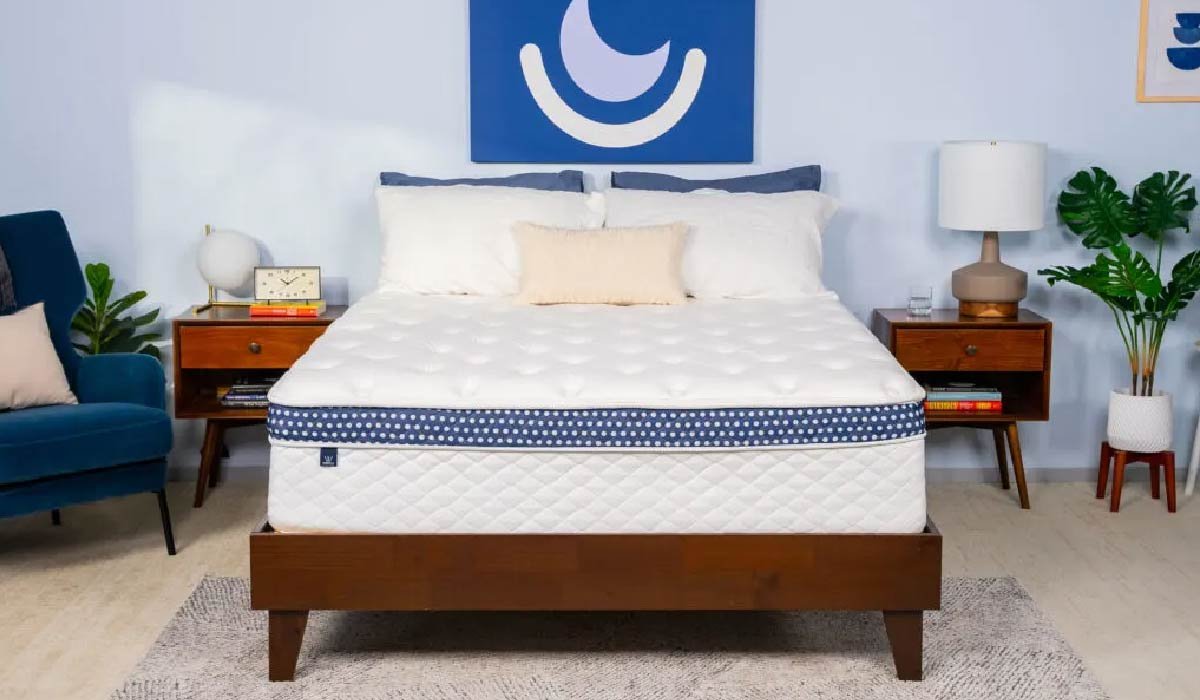
Picking the right bed can be hard. You see words like twin, queen, and king. But what about the one in the middle? A full size mattress is also called a double bed. It’s a great pick for many people. It sits right between a smaller twin and a bigger queen. This guide will help you decide if a full mattress fits your home and sleep needs in 2026. We will look at its size and who it’s best for. We’ll also talk about what to think about before you buy.
Key Takeaways
- A full size mattress is 54 inches wide by 75 inches long.
- It works great for single adults, growing teens, and guest rooms.
- A full mattress fits well in bedrooms that are at least 10 feet by 10 feet.
- It can be tight for most couples. It gives only 27 inches of space per person.
- Bedding and frames for a full bed are easy to find. They often cost less than queen size.
Understanding the Basics: Dimensions & Comparisons
To make a good choice, you need to know the facts. Learning the exact size of a full mattress helps you see how it compares to other options. This info is key to planning your bedroom layout.
What are the exact dimensions of a full size mattress?
A standard full size mattress is 54 inches wide and 75 inches long. That’s about 137 centimeters by 190.5 centimeters. These official measurements come from groups like the International Sleep Products Association (ISPA). They give you a clear idea of the space it will take up. This standard bed size is the same across most brands.
How a Full Bed Compares to Other Sizes
Seeing the numbers side-by-side makes the differences clear. A full bed offers a big step up in width from a twin. But it doesn’t take up as much room as a queen. This makes it a balanced choice for many situations.
Here is a simple table to compare the most common mattress sizes.
| Mattress Size | Dimensions (in) | Best For |
| Twin | 38″ x 75″ | Children, Bunk Beds |
| Twin XL | 38″ x 80″ | Tall Teenagers, College Dorms |
| Full | 54″ x 75″ | Single Adults, Guest Rooms |
| Queen | 60″ x 80″ | Couples, Master Bedrooms |
| King | 76″ x 80″ | Couples wanting max space |
The Ideal Sleeper: Who Should Get a Full Mattress?
A full size mattress is not just a measurement. It’s a solution for specific needs and lifestyles. Let’s look at who benefits the most from this popular bed size.
Single Adults and First-Time Homeowners
Think about a young worker moving into their first city apartment. Space is everything for them. We’ve seen many customers in this exact spot. They need a bed that feels roomy but doesn’t eat up the whole room. A full bed is the perfect answer. It offers plenty of room for one person to sleep well. At the same time, it leaves space for a desk, dresser, or just room to move. It’s the “just right” option. It feels like an upgrade from a small twin without the cost or size of a queen.
Growing Teenagers
A twin bed can feel small for a growing teenager. A full mattress is a smart upgrade. It gives them more room to stretch out and relax. It’s a smart choice that can last through their high school years. Many even take their full bed with them to their first apartment. This makes it a great buy for parents.
The Perfect Guest Room Solution
A full size mattress is a champion of the guest room. It’s comfy enough for a single visitor. It can even work for a couple for a short weekend stay. At the same time, it doesn’t take over the room. This leaves space for the room to work as a home office, hobby space, or playroom when you don’t have guests. It gives comfort without losing the room’s other uses.
A Note for Couples
Can two people sleep on a full bed? Yes, but it will be cozy. A full mattress gives each person 27 inches of space. That’s the same width as a crib mattress. If you and your partner love to cuddle all night, it might work. It’s also an option for couples with a very small bedroom where a queen simply won’t fit. But most couples find a queen offers much more comfy sleeping space.
Beyond Dimensions: 4 Critical Factors to Consider
Picking a mattress involves more than just its size. To avoid common mistakes, think about your room, your habits, and your future. These four factors will help you make a smart choice.
- Your Bedroom Size and Layout
A bed needs to fit the room, not just the sleeper. A good rule is that a full size mattress works best in rooms that are at least 10 feet by 10 feet. Before you buy, measure your room. Experts like those at The Spruce say to leave at least 30 inches of walking space around the sides and foot of the bed. This makes sure your room feels open and easy to move in, not cramped.
- Your Sleeping Style and Habits
How you sleep matters. The right mattress size can support your personal sleep style.
- Active Sleepers: If you toss and turn a lot, the extra width of a full bed compared to a twin is a big plus. You’re less likely to feel trapped.
- Starfish Sleepers: Do you like to spread out your arms and legs? A full mattress gives a solo sleeper enough space to do this well.
- Pet Co-Sleepers: A full bed can often fit one person and a small dog or cat. If you have a large dog, you’ll likely feel crowded. You may want to think about a queen.
- The Total Cost of Ownership
A full mattress can save you money in several ways. The mattress itself usually costs less than a queen. But the savings don’t stop there. Bedding for a full size mattress costs less too. This includes sheets, blankets, and comforters. The same goes for bed frames and headboards. These savings can add up. This makes it a very budget-friendly choice.
- Future-Proofing Your Purchase
Think about the next few years. Ask yourself some honest questions. Do you plan to stay in your current home for a long time? Do you think you might be sharing your bed with a partner soon? If your life might change in a way that needs more sleeping space, a queen might be a better long-term buy. A full bed is perfect for now. But it’s wise to think about tomorrow.
Finding Your Perfect Match: Types of Full Mattresses
Once you’ve decided on the size, it’s time to pick the type. With so many options on the market, finding the right full size mattress can feel overwhelming. Learning about the basic materials is the best first step. Each type offers a different feel and set of benefits.
Memory Foam
Memory foam mattresses are known for their deep comfort. They’re great for pressure relief because they shape to your body. This material also absorbs movement. So you’re less likely to be bothered by a restless partner or pet.
Innerspring
Innerspring mattresses are the old-school choice. They use a system of steel coils for support. This gives them a bouncy and responsive feel. They also allow for good airflow, which helps keep you cool. They’re often one of the most affordable options.
Latex
Latex mattresses are made from natural or man-made rubber. They’re known for being responsive, long-lasting, and cooling. Latex gives a gentle lift and support without the deep sinking feeling of memory foam. It’s a great choice for those who want a more natural material.
Hybrid Mattresses: The Best of Both Worlds
Hybrid mattresses are a top choice in 2026. They combine the best features of other mattress types. A hybrid typically uses a base of innerspring coils for support and bounce. On top, it has comfort layers made of memory foam or latex. This combo gives you both strong support and soft, pressure-relieving comfort. For those seeking a balanced feel with advanced support and cooling, a premium hybrid mattress often provides the ideal solution for most sleepers. According to sources like the Sleep Foundation, learning about these different mattress types is key to finding your perfect match.
Conclusion: Making the Right Choice for Better Sleep
A full size mattress is a great and flexible option. It strikes a perfect balance between space, comfort, and cost. It’s an ideal choice for single adults, growing teens, and well-planned guest rooms.
By thinking about your room size, sleeping habits, budget, and future plans, you can decide with confidence. Picking the right standard bed size is a key step toward getting a better night’s sleep. Buying a quality full mattress is a buy in your well-being for years to come.
Frequently Asked Questions (FAQ)
What is the difference between a full and a double bed?
They are exactly the same. “Double bed” is an older term for a mattress with the same dimensions: 54 inches wide by 75 inches long. The mattress industry today almost always uses the term “full.”
Can two adults sleep comfortably on a full size mattress?
It is possible, but it will be a tight fit. A full mattress gives each person 27 inches of space. That’s the same width as a crib mattress. It’s best for couples who enjoy sleeping very close or for short-term use in a guest room.
Is a full size mattress long enough for a tall person?
A full mattress is 75 inches long. This is the same length as a twin. For anyone over 6 feet tall (72 inches), their feet might hang off the end. Taller people should think about a Twin XL or a Queen mattress. Both are 80 inches long.
How much bigger is a queen than a full mattress?
A queen mattress is 6 inches wider and 5 inches longer than a full. While the numbers seem small, that extra space makes a big difference in comfort. This is especially true for couples or people who like to spread out.
Is it easy to find bedding for a full size mattress?
Yes, absolutely. As a very popular standard bed size, full mattress accessories are easy to find. Sheets, comforters, bed frames, and headboards are sold by almost all home goods stores. They usually cost less than their queen-size versions.
