


You’re excited about finishing your basement. You’ve got plans for a home theater, extra bedroom, or playroom. You’ve even started pricing out materials and getting quotes.
But there’s one thing that can derail your entire project before it even starts: moisture.
Moisture is the single biggest enemy of basement remodeling. It doesn’t matter how beautiful your design is or how much you spend on finishes. If you’ve got moisture problems, your basement remodel will fail.
Even the best basement finishing contractor fort collins co can’t overcome fundamental moisture issues. They can install moisture-resistant materials and use proper techniques, but they can’t fix a fundamentally wet basement without addressing the source.
Understanding how moisture affects basement remodeling helps you avoid costly mistakes and heartbreaking failures.
Let’s break down everything you need to know.
Why Basements Get Wet
Basements are naturally prone to moisture because they’re underground. They’re surrounded by soil that holds water.
Understanding where moisture comes from helps you fix it.
Groundwater is the primary source. After rain or snow melt, water saturates the soil around your foundation. Hydrostatic pressure pushes that water through any crack or porous surface in your foundation walls and floor. Even solid concrete is somewhat porous and can allow moisture through.
Poor drainage makes it worse. If water pools around your foundation instead of draining away, you’ve got constant moisture pressure against basement walls. Gutters that dump water near the foundation create the same problem. The ground should slope away from your house, but many homes have settled over time, creating low spots that collect water.
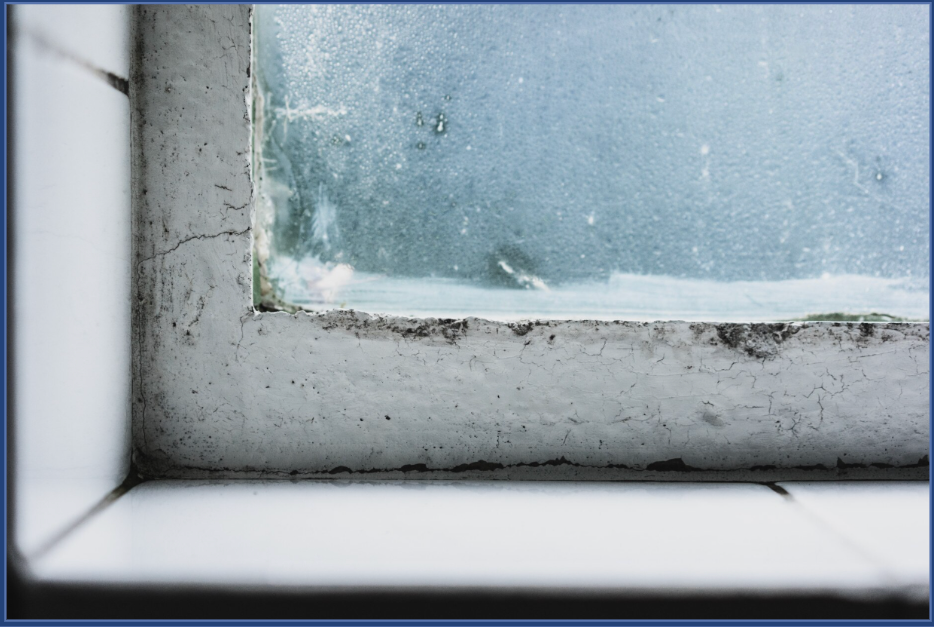
Condensation happens when warm humid air hits cold basement surfaces. Your basement walls and floor are cooler than the air in summer. When humid air contacts these cold surfaces, moisture condenses just like a cold drink sweating on a hot day. This creates dampness even without water coming through the foundation.
Plumbing leaks are another source. A small leak in a pipe can go unnoticed in a basement for months, creating significant moisture problems. Water heaters, washing machines, and sump pumps all have potential to leak.
High humidity in general affects basements. They’re naturally more humid than upper floors because they’re cooler and often have less air circulation. Without proper dehumidification, this ambient humidity creates problems.
Signs You Have Moisture Problems
Before you start any basement remodeling, look for warning signs of moisture issues.
Visible water is the obvious one. Puddles on the floor after rain. Water stains on walls. Dripping or seeping through cracks. If you see actual water, you definitely have a problem that needs fixing before remodeling.
Efflorescence appears as white powdery deposits on concrete walls. This happens when water moves through concrete and leaves mineral deposits behind. It looks like white chalk or salt crystals. It’s a clear sign that moisture is coming through your foundation.
Musty odors indicate mold and mildew growth. Basements shouldn’t smell moldy. If yours does, moisture is feeding mold growth somewhere even if you can’t see it yet.
Condensation on walls or pipes means humidity is too high. If you see water droplets forming on surfaces, especially in summer, you’ve got a moisture issue.
Peeling paint or efflorescence on walls shows moisture is moving through. Paint doesn’t just peel for no reason in basements. Moisture behind the paint causes it to bubble and peel.
Rust on metal items stored in the basement indicates high humidity. Nails, tools, or metal furniture rusting means moisture levels are too high.
Warped or damaged materials already in the basement tell the story. Cardboard boxes deteriorating. Wood furniture swelling or warping. Items feeling damp to the touch.
How Moisture Destroys Basement Remodels
Now let’s talk about what happens when you ignore moisture and finish your basement anyway.
Mold growth is the first and most serious problem. Mold needs three things to grow: moisture, organic material to feed on, and moderate temperatures. Finished basements provide all three. Drywall, wood framing, carpet, and insulation all feed mold. The moisture you ignored provides the water. Basements maintain perfect temperatures for mold growth.
Once mold starts, it spreads rapidly behind walls where you can’t see it. By the time you notice the musty smell or see visible mold, you’ve got a significant infestation. Remediation requires tearing out materials, professional cleaning, and replacement. We’re talking thousands of dollars in damage.
Drywall destruction happens quickly with moisture. Drywall is basically compressed gypsum (a mineral) sandwiched between paper. Both the gypsum and paper absorb water readily. Wet drywall crumbles, warps, and becomes structurally unsound. It also grows mold rapidly because the paper provides food for mold spores.
The Gradual Damage
You might not see the damage right away. Moisture wicks up from the floor through the bottom of drywall. It spreads behind the surface. Eventually, the drywall deteriorates enough that it bubbles, cracks, or falls apart. At that point, you’re replacing entire walls.
Flooring failure is devastating because it’s expensive to install and expensive to replace. Carpet in damp basements never fully dries. It holds moisture, grows mold, and smells terrible. It becomes so contaminated that it must be removed.
Laminate and engineered wood flooring swell and buckle when exposed to moisture. The layers separate. Planks warp and lift. What was a beautiful floor becomes a wavy, damaged mess.
Even vinyl and tile have problems. Moisture under vinyl can cause it to lift and develop bubbles. Adhesive fails. Tile might survive, but the subfloor underneath deteriorates. Grout grows mold.
Wood framing rots when consistently exposed to moisture. The studs used to build walls, the plates at the floor and ceiling, and all this lumber will rot if moisture is present. Rot compromises structural integrity. Walls become unstable. So, you’re not just replacing finishes, you’re rebuilding the entire structure.
Insulation loses effectiveness when wet. Fiberglass insulation absorbs water and compresses, losing its insulating properties. It also holds moisture against wood framing, promoting rot. Wet insulation grows mold readily. Once contaminated, it must be removed and replaced.
Electrical hazards develop when moisture and electricity mix. Wet conditions can corrode connections, cause shorts, and create shock or fire hazards. Moisture in electrical boxes is extremely dangerous.
Paint and finishes fail cosmetically. Paint bubbles and peels. Stains appear as moisture carries minerals through the walls. Your beautiful painted walls look terrible within months or a couple of years.
The Cost of Ignoring Moisture
Let’s talk real numbers. What does it cost when you finish a basement with moisture problems?
An initial remodel might cost fifteen to thirty thousand dollars for a basic finish. You install drywall, flooring, drop ceiling, paint, and basic features.
Within two to five years, you notice problems. Musty smell. Visible mold. Peeling paint. Damaged flooring. You try to address it with surface fixes, but the problems persist.
Eventually, you face reality. The basement needs to be gutted and redone properly. Demolition costs three to five thousand dollars to remove everything you just installed. Mold remediation adds another two to five thousand. Waterproofing that should have been done first adds five to fifteen thousand, depending on what’s needed.
Then you pay to refinish everything again. Another fifteen to thirty thousand.
Total cost? Forty to sixty thousand or more. All because you didn’t address moisture before the initial remodel.
Had you spent five to fifteen thousand on waterproofing before the initial finish, you’d have saved enormous money and hassle. Moisture remediation before remodeling is always cheaper than fixing it after.
What Must Be Fixed Before Remodeling
So what actually needs to happen before you finish a basement with moisture issues?
Exterior drainage is the first line of defense. Gutters must be clean and functional, directing water away from the foundation. Downspout extensions should carry water at least five to ten feet away from the house. The ground must slope away from the foundation at least six inches over ten feet.
Foundation cracks need professional sealing. Small cracks can be injected with epoxy or polyurethane. Larger structural cracks might need more extensive repair. Don’t just caulk cracks and hope for the best.
Interior waterproofing systems handle water that gets past exterior defenses. A perimeter drain system collects water at the foundation footer and channels it to a sump pump. The sump pump then removes water from the basement. This is standard in many areas and essential in others.
Exterior waterproofing involves excavating around the foundation and applying waterproof coating and drainage systems. It’s expensive but extremely effective. Usually only necessary for severe water intrusion that interior systems can’t handle.
Vapor barriers prevent moisture transmission through concrete. Special waterproof coatings can be applied to foundation walls before finishing. These stop moisture from moving through the concrete into your finished space.
Dehumidification controls ambient moisture. Even with other waterproofing measures, basements need dehumidifiers to keep humidity levels below sixty percent. Many basement remodels include whole-house dehumidifiers integrated with the HVAC system.
Proper HVAC ensures air circulation and temperature control. Basements need adequate heating and cooling. Conditioned air reduces moisture problems significantly.
Moisture-Resistant Materials and Techniques
Even after addressing the moisture source, smart material choices add protection.
Mold-resistant drywall uses paperless facing or special paper that resists mold growth. It’s not waterproof but it’s much more resistant to mold than standard drywall. Use it throughout basements, especially in areas prone to moisture.
Foam insulation instead of fiberglass doesn’t absorb water. Closed-cell spray foam provides both insulation and moisture barrier. Rigid foam boards work well too. Avoid fiberglass batts in basements if possible.
Metal studs don’t rot like wood. For walls in areas with any moisture concern, metal studs eliminate rot issues. They cost more but provide peace of mind.
Concrete board as a backer for tile in bathrooms or wet areas is completely moisture-proof. Don’t use regular drywall behind tile in basement bathrooms.
Engineered flooring options designed for basements include luxury vinyl plank, tile, and sealed concrete. Skip carpet entirely. If you must have soft flooring, use area rugs that can be removed and dried.
Elevated subfloor systems create an air gap between concrete and finished flooring. This allows moisture to evaporate and prevents flooring from sitting directly on potentially damp concrete.
Testing for Moisture Before You Start
Don’t guess about moisture. Test it objectively.
Plastic sheet test is simple and free. Tape a two-foot square piece of plastic sheeting to the basement floor. Seal all edges completely. Wait twenty-four to forty-eight hours. If moisture appears under the plastic, you’ve got moisture coming up through the floor.
Moisture meters measure moisture content in concrete and other materials. You can buy one for thirty to a hundred dollars. Test various spots on walls and floors. Readings above a certain threshold indicate moisture problems.
Humidity monitors track relative humidity over time. Basements should stay below sixty percent humidity. Above that, and you risk mold growth and moisture problems. Monitor for several weeks to understand patterns.
Professional moisture testing provides a detailed analysis. Foundation specialists have equipment that measures moisture content precisely, identifies sources, and recommends solutions. Worth the cost for a significant investment like basement finishing.
When to Call Professionals
Some moisture issues you can handle yourself. Others require professional expertise.
DIY is appropriate for minor improvements. Extending downspouts, improving grading around the house, sealing small cracks, and adding a portable dehumidifier. These help, but won’t solve serious moisture problems.
Professionals are necessary for structural issues, significant water intrusion, mold remediation, interior waterproofing systems, and any project requiring excavation. Don’t attempt to install a perimeter drain system yourself. Don’t try to remediate significant mold yourself.
The money you spend on proper waterproofing and moisture control before finishing your basement is the best investment you’ll make. It protects everything else you’re about to spend.
The Bottom Line
Moisture and basement finishing don’t mix. You cannot successfully finish a basement that has active moisture problems.
Address moisture first. Spend the money to do it right. Then and only then proceed with finishing work.
The alternative is watching your investment literally rot and grow mold while you smell the failure every time you walk downstairs. You’ll end up paying twice for the same work, plus remediation costs in between.
Basements can be beautiful, functional spaces. But only if they’re dry first.
- Test for moisture.
- Fix what’s broken.
- Install proper drainage and waterproofing.
- Use moisture-resistant materials and techniques.
- Control humidity.
Do it right, and your basement remodel will last decades and provide valuable living space.
Do it wrong and you’ll regret it within years.
Moisture is not negotiable in basement remodeling. It’s the foundation that everything else builds on. Get it right.
