


The front entrance used to be the simplest part of a home. A solid panel, a deadbolt, and a spare key under the mat. That was enough.
It is no longer enough.
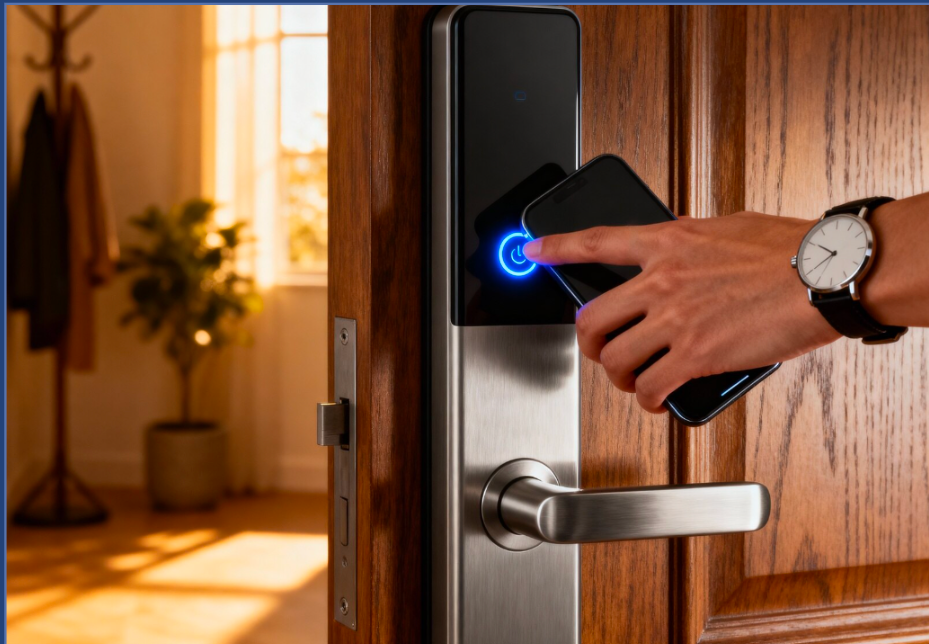
Today’s entry systems combine biometric authentication, video surveillance, remote access, and automated locking into a single cohesive unit. The physical door itself is being reimagined alongside the technology embedded in it. Homeowners are not just upgrading their locks. They are rethinking what an entrance point should do.
This shift is happening street by street. Contractors specializing in Custom Front Door Arvada CO installations are fielding more inquiries about smart-compatible entryways than at any prior point. This happens because buyers now understand that the frame, material, and overall construction must support the integrated electronics. The door and the technology are no longer separate decisions but part of a single system.
What Are Intelligent Entry Systems?
An intelligent entry system is a connected set of hardware and software that controls, monitors, and manages who enters a structure. Rather than depending on a physical key, these setups use digital credentials: fingerprints, PIN codes, facial recognition, smartphone proximity, or key fobs.
Most modern configurations bundle several components together. A smart deadbolt handles the mechanical function. A video doorbell monitors visitors before the door opens. A controller or hub links everything to a mobile application. Some installations add a hardwired intercom or a camera with two-way audio baked directly into the door frame.
The result is an entryway that communicates rather than simply separates inside from outside.
How Do Smart Locks Differ From Conventional Deadbolts?
Credential Type
A standard deadbolt relies on a cut metal key. Lose it, and anyone who finds it has access. A smart lock accepts digital credentials that can be changed instantly from anywhere.
Remote Operation
Conventional mechanisms require physical presence. An intelligent counterpart can be engaged or disengaged from a phone across town. Homeowners who forget to secure their door before leaving no longer need to turn back.
Access Logging
Traditional hardware has no memory. A connected lock records every entry and exit with timestamps. Property owners can review who arrived, when they left, and whether any access attempts failed.
Temporary Permissions
Letting a repair technician in while you are at the office no longer requires hiding a key or coordinating schedules. A time-limited code grants entry during a defined window and expires automatically when the appointment ends.
What Technologies Are Built Into Modern Entry Systems?
Biometric Authentication
Fingerprint scanners on residential locks have moved from novelty to mainstream. Higher-end units now incorporate facial recognition using short-range cameras that function in low light. The advantage over PINs is obvious: a fingerprint cannot be forgotten, shared accidentally, or observed by someone standing nearby.
Video and AI Detection
Contemporary doorbells go beyond passive recording. Artificial intelligence distinguishes between a delivery courier, a familiar face, and an unrecognized visitor. Some platforms send different alert types based on that classification, filtering out routine events and flagging genuinely unusual activity.
Proximity-Based Unlocking
Bluetooth and ultra-wideband protocols let a door recognize when the homeowner’s phone approaches within a specified range. The mechanism disengages before they reach the threshold, eliminating the fumble for keys with arms full of groceries.
Encrypted Communication
Because these products transmit sensitive data across networks, leading manufacturers use end-to-end encryption between the lock, the hub, and the owner’s device. This prevents interception of access signals, which was a documented vulnerability in earlier generations of wireless locks.
Are Intelligent Entry Systems Secure Against Hacking?
This is the most common concern raised by skeptical homeowners, and it deserves a direct answer.
No connected device is entirely immune to digital threats. That is an honest baseline.
However, the practical risk profile of modern smart locks is well-managed when properly configured. Reputable products from established manufacturers use AES-128 or AES-256 encryption, require two-factor authentication for account access, and push automatic firmware patches when vulnerabilities are identified.
The greater security benefit is often overlooked. That’s smart locks eliminate the physical attack surface created by spare keys. Lock picking, key duplication, and lost key scenarios are all removed from the equation. Most residential break-ins do not involve sophisticated digital exploits. They involve forcing or bypassing an unmonitored conventional lock.
A well-installed intelligent entry system is meaningfully more resistant to the actual threat patterns that affect suburban homes.
What Should Homeowners Consider Before Installing a Smart Entry System?
Door Compatibility
Not every door frame and slab accommodates a retrofit smart lock cleanly. Older steel frames, non-standard bore patterns, and certain solid-core configurations require modification or professional fitting to accept new hardware without compromising the structural integrity of the entry point.
Network Dependency
Most intelligent systems require a stable Wi-Fi connection for full functionality. A power outage or router failure can limit remote access features, though reputable products retain local operation, such as keypad or biometric entry, when the network is unavailable.
Battery or Wired Power
Battery-operated units are easier to install but require periodic replacement. Hardwired models offer continuous power but demand electrical work during setup. For new construction or full door replacements, hardwired configurations are generally preferable.
Platform Integration
Buyers planning to build out a broader smart home ecosystem should verify that their chosen entry system works within their preferred platform, whether that is Google Home, Amazon Alexa, or Apple HomeKit. Fragmented ecosystems that require multiple separate apps erode the convenience that the technology is supposed to deliver.
How Is the Front Door Itself Evolving Alongside the Technology?
The hardware revolution is pushing door design in new directions.
Flush, minimalist profiles are gaining ground over traditionally paneled styles because they provide cleaner mounting surfaces for integrated cameras and lock bodies. Fiberglass composites are displacing wood in performance-oriented installations because they maintain tight tolerances across temperature and humidity fluctuations, which matters for the precise alignment that electronic locks depend on.
Glass placement is also being reconsidered. Sidelights and decorative glazing near the lock cylinder have always been a vulnerability. Contemporary designs reposition glazing higher or use laminated glass that resists breakage without sacrificing natural light.
The entry point is increasingly treated as a designed system, not a commodity component, because the electronics inside it demand that level of attention.
What Is the Cost of Upgrading to a Smart Entry System?
Entry-level smart lock retrofits start around $150 to $250 for the lock hardware alone. Adding a video doorbell and basic hub brings the total to $400 to $600 for a functional, connected setup.
Full intelligent entry installations with biometric deadbolts, hardwired cameras, intercom integration, and professional fitting typically range from $1,500 to $4,000, depending on door configuration, material choices, and the scope of accompanying electrical work.
The recurring cost is minimal: cloud storage subscriptions for video history run $3 to $10 monthly, depending on the platform and retention period selected.
The Bottom Line
The front entrance is no longer a passive threshold. It is an active layer of home management.
Intelligent entry systems offer measurably better security than conventional alternatives, greater flexibility for households with varied access needs, and the kind of real-time visibility that traditional hardware simply cannot deliver.
The technology is mature, the price points have normalized, and installation is increasingly straightforward for properly framed doors. For homeowners still relying on a key and a deadbolt, the gap between their current setup and what is available has never been wider.
