


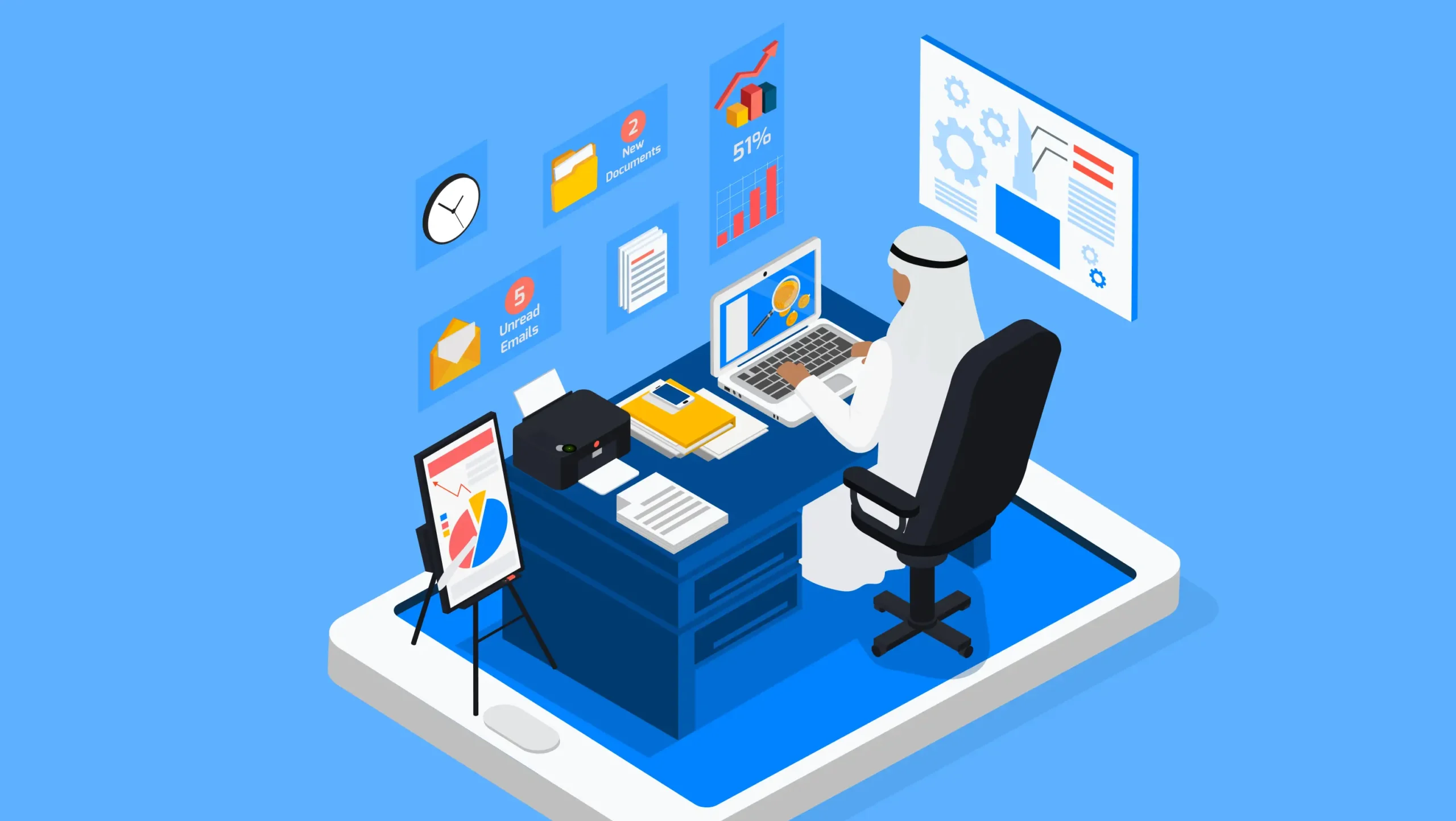
Managing employee benefits alongside payroll has become increasingly complex for U.S. organizations as systems multiply and automation priorities shift.
Recent U.S. HR technology research shows that 47% of payroll and HR automation efforts focus primarily on direct compensation, often leaving benefits workflows less integrated.
At the same time, while most businesses rely on a single in-house payroll system, roughly 20% now operate multiple payroll technologies, creating data silos and coordination challenges.
In this environment, the employee benefits API plays a critical role in bridging gaps between payroll and benefits platforms. By allowing structured, real-time data exchange, an employee benefits API helps organizations reduce reconciliation errors, improve processing speed, and support a more consistent employee management experience at scale.
Why Payroll and Benefits Integration Has Become a Business Priority?
Smooth integration between benefits and payroll is no longer a technical luxury; it is a business necessity. Modern HR ecosystems depend on accurate, synchronized data to function effectively.
- Rising complexity of benefit plans: U.S. employers now manage health insurance, retirement plans, wellness programs, and voluntary benefits simultaneously. Without integrated systems, each change requires manual updates, increasing administrative overhead and the likelihood of payroll discrepancies.
- Compliance pressure across federal and state regulations: Payroll and benefits data must align with tax, labor, and healthcare regulations. Disconnected systems raise audit risks when benefit deductions, eligibility rules, or contribution limits are not updated consistently across platforms.
- Employee expectations for accuracy and transparency: Employees expect correct deductions, real-time access to benefits information, and prompt issue resolution. Integration gaps directly affect trust when paycheck errors or benefit mismatches occur.
- Operational inefficiencies in HR workflows: Manual data transfers slow onboarding, open enrollment, and life-event changes. Integrated payroll and benefits systems enable HR teams to process updates once and apply them everywhere.
- Scalability challenges for growing organizations: As workforces expand or become more distributed, disconnected systems struggle to keep pace. Integration creates a foundation that supports growth without multiplying administrative effort.
Together, these pressures highlight why automation through APIs is becoming essential for modern HR operations.
How an Employee Benefits API Connects Payroll and HR Systems?
An employee benefits API acts as the connective layer that synchronizes data between benefits providers, payroll engines, and HR platforms.
- Real-time data synchronization: Employee eligibility, enrollment status, and contribution amounts update instantly across systems. It ensures payroll deductions always reflect the most current benefit selections without manual intervention.
- Standardized data exchange formats: APIs normalize data structures between platforms, eliminating mismatches caused by different system architectures. This consistency improves reporting accuracy and reduces reconciliation work.
- Automated enrollment and life-event updates: When employees experience qualifying events, changes flow directly into payroll calculations. This automation reduces delays and prevents missed or incorrect deductions.
- Secure data transmission protocols: APIs use encrypted connections and authentication controls to protect sensitive employee information. This security layer is critical for handling payroll and benefits data responsibly.
- Scalable integration across multiple providers: An employee benefits API supports connections to multiple benefits vendors without building separate integrations for each. This flexibility allows organizations to adapt benefit offerings over time.
By simplifying data movement, APIs eliminate friction that traditionally slows payroll and benefits administration.
Key Operational Benefits of Using an Employee Benefits API
Organizations adopting API-driven integration experience measurable improvements across HR, payroll, and employee experience functions.
- Reduced payroll errors and rework: Automated data flow minimizes manual entry mistakes. Accurate benefit deductions improve payroll reliability and reduce time spent correcting errors after pay runs.
- Faster onboarding and offboarding processes: New hires and departing employees trigger automatic updates across benefits and payroll systems. It reduces administrative delays and ensures compliance from day one.
- Improved compliance and audit readiness: Consistent data across systems creates a clear audit trail. Payroll and benefits records remain aligned, simplifying compliance reporting and reducing regulatory exposure.
- Lower administrative costs: Automation reduces HR workload associated with reconciliation and follow-ups. Teams can redirect effort toward strategic workforce initiatives instead of manual maintenance.
- Enhanced employee confidence and satisfaction: Accurate paychecks and benefits information strengthen employee trust. Fewer errors lead to fewer inquiries and a smoother overall employee experience.
These benefits demonstrate how integration directly supports both operational efficiency and workforce satisfaction.
What to Look for When Implementing an Employee Benefits API?
Selecting the right integration approach is critical to realizing long-term value from API-driven payroll and benefits connections.
- Compatibility with existing payroll systems: The API should integrate smoothly with current payroll infrastructure to avoid costly system replacements or custom development.
- Support for multiple benefits providers: Flexibility to connect with various carriers and administrators ensures the integration remains useful as benefit strategies evolve.
- Compliance-ready data handling: Built-in support for U.S. regulatory requirements helps ensure payroll deductions and reporting remain accurate across jurisdictions.
- Low-code or no-code configuration options: Simplified setup reduces dependency on engineering resources and accelerates time-to-value for HR and payroll teams.
- Reliable performance and uptime: Payroll operations depend on consistent system availability. A robust API ensures integrations remain stable during critical pay cycles.
Evaluating these factors helps organizations avoid integration bottlenecks and future-proof their HR technology stack.
The Role of Unified Integration Platforms in Benefits and Payroll Automation
As HR ecosystems expand, unified integration platforms are gaining importance in simplifying complex data environments.
- Centralized management of multiple APIs: Unified platforms reduce the need to manage separate integrations for each system, improving visibility and control.
- Faster deployment of new integrations: Pre-built connectors accelerate implementation timelines and reduce integration risk.
- Consistent data governance standards: Central oversight ensures data quality, security, and compliance across all connected systems.
- Adaptability to evolving HR technologies: Unified integration supports new tools and providers without disrupting payroll operations.
- Long-term scalability for growing organizations: As workforce needs change, a unified approach enables seamless expansion without increasing complexity.
This model aligns with the growing demand for simplified, scalable HR and payroll architectures.
Conclusion
Integrating payroll and benefits systems is no longer optional for organizations aiming to operate efficiently and compliantly.
An employee benefits API provides the technical foundation needed to automate data exchange, reduce errors, and improve the employee experience. By eliminating manual processes and synchronizing systems in real time, businesses can create reliable, scalable HR operations that support growth.
As HR technology stacks become more interconnected, platforms focused on unified, code-free API integration, such as Bindbee, are helping organizations simplify complex ecosystems and accelerate integration strategies.
Investing in the right API-driven approach today positions businesses to manage payroll and benefits with greater confidence, accuracy, and operational resilience tomorrow.
