


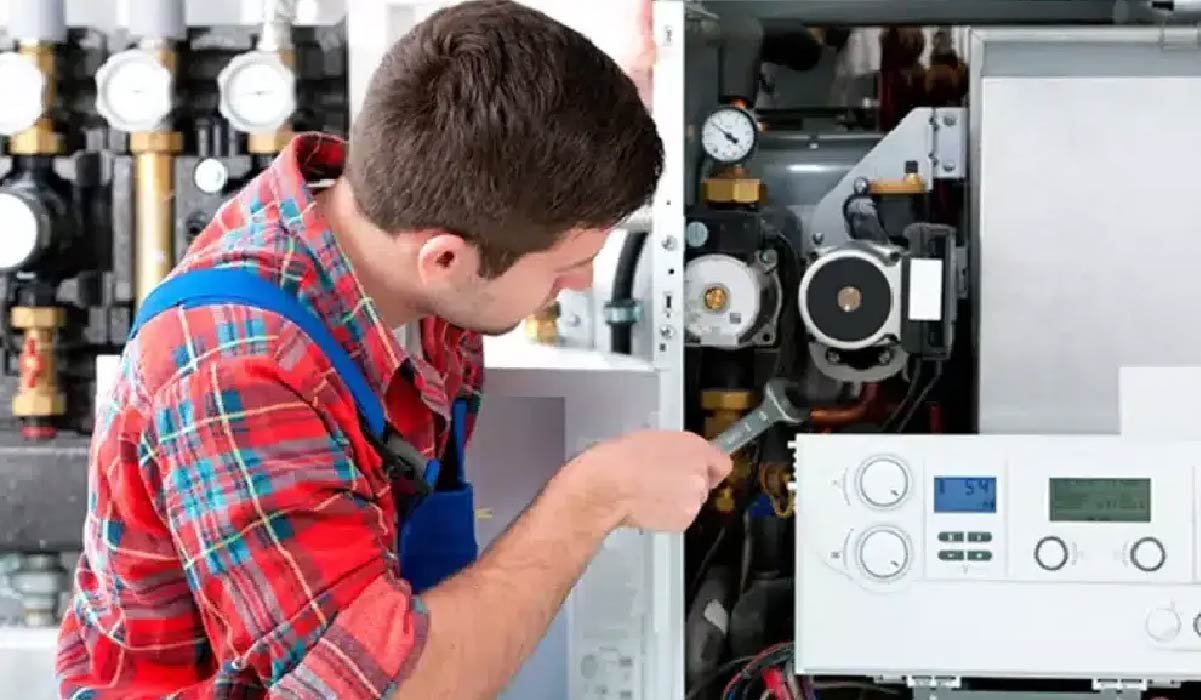
Maintaining a warm and comfortable home during colder months is essential for both comfort and safety. A properly installed furnace is central to achieving this. Furnace installation is a precise process that requires careful planning, professional expertise, and attention to detail to ensure optimal performance, energy efficiency, and long-term reliability. A well-installed furnace distributes heat evenly, improves indoor air quality, and provides consistent warmth throughout the home. Choosing the right furnace and installer is critical to avoid inefficiency, reduce energy costs, and ensure a safe and reliable heating system.
Understanding Furnace Installation
Furnace installation is more than replacing an old unit with a new one. It begins with evaluating the home’s heating needs, which includes measuring square footage, assessing insulation, reviewing window placement, and considering the number of occupants. Selecting a furnace that is too small results in constant operation, uneven heating, and higher energy costs, while an oversized unit cycles too frequently, causing strain and inefficiency. Professional installers determine the correct size and type of furnace, factoring in fuel source, efficiency ratings, and the home’s existing ductwork and electrical systems to ensure safe and optimal performance.
Types of Furnaces and Their Installation Considerations
Furnaces vary by fuel type, efficiency, and design. Natural gas furnaces are efficient and provide rapid heating but require proper venting and gas line connections. Electric furnaces are simpler to install but can increase electricity costs, requiring careful circuit planning. Oil furnaces require fuel storage tanks and specialized venting, while propane furnaces are ideal for homes without natural gas access. High-efficiency condensing furnaces maximize heat recovery from exhaust gases, often include programmable thermostats or smart features, and demand precise installation to achieve optimal performance. Each type has specific requirements that must be addressed during installation to ensure safety, efficiency, and longevity.
Steps in a Professional Furnace Installation
The installation process typically begins with removing the existing furnace safely and preparing the space for the new unit. Technicians inspect and, if necessary, modify ductwork, venting, and fuel or electrical connections. The new furnace is then positioned, leveled, and securely connected. After installation, comprehensive safety and performance checks are performed, including leak testing, airflow verification, and operational testing under various conditions. Finally, technicians provide homeowners with guidance on proper operation, filter maintenance, and scheduling routine inspections. Following these steps ensures the furnace functions safely, efficiently, and reliably for years to come.
Benefits of Professional Furnace Installation
Professional furnace installation offers multiple advantages beyond simply having a working heating system. Proper installation ensures energy efficiency, reducing monthly heating costs and minimizing environmental impact. It enhances safety by confirming that gas, oil, or electrical connections are secure and that ventilation systems operate correctly, protecting against carbon monoxide leaks. Professional installation also preserves manufacturer warranties, as many require certified technicians for compliance. Additionally, a well-installed furnace provides consistent warmth, eliminates cold spots, and ensures balanced airflow throughout the home, improving overall comfort for residents.
Choosing the Right Furnace Installer
Selecting a qualified and experienced furnace installer is critical for achieving optimal results. Homeowners should look for licensed and certified technicians with experience in installing the specific furnace type. Reviewing customer testimonials, portfolios, and references provides insight into reliability, workmanship quality, and professionalism. Clear communication about pricing, timelines, and project expectations is essential. A reputable installer conducts a detailed assessment of the home, considers energy efficiency goals, and provides customized recommendations that balance comfort, performance, and cost.
Maintenance and Longevity After Installation
Proper maintenance is essential to keep a newly installed furnace running efficiently and safely. Regular replacement or cleaning of air filters, periodic duct inspections, and annual professional servicing help prevent airflow restrictions, uneven heating, and mechanical strain. High-efficiency furnaces may require attention to specific components such as condensate drains, heat exchangers, and blower motors. Consistent maintenance protects the furnace from premature wear, ensures efficient energy use, and prolongs the unit’s lifespan, allowing homeowners to enjoy reliable comfort for many years.
Conclusion
Professional furnace installation is a critical investment in home comfort, safety, and energy efficiency. From selecting the appropriate furnace type to precise installation, testing, and maintenance guidance, certified technicians ensure that heating systems operate reliably and efficiently. Whether replacing an old unit or installing a new system, professional installation safeguards both property and residents while enhancing long-term performance. A properly installed furnace provides consistent warmth, reduces energy costs, extends the unit’s lifespan, and contributes to overall home value. With professional expertise and attention to detail, furnace installation transforms a simple heating upgrade into a long-term solution for safe, efficient, and dependable home comfort.
