


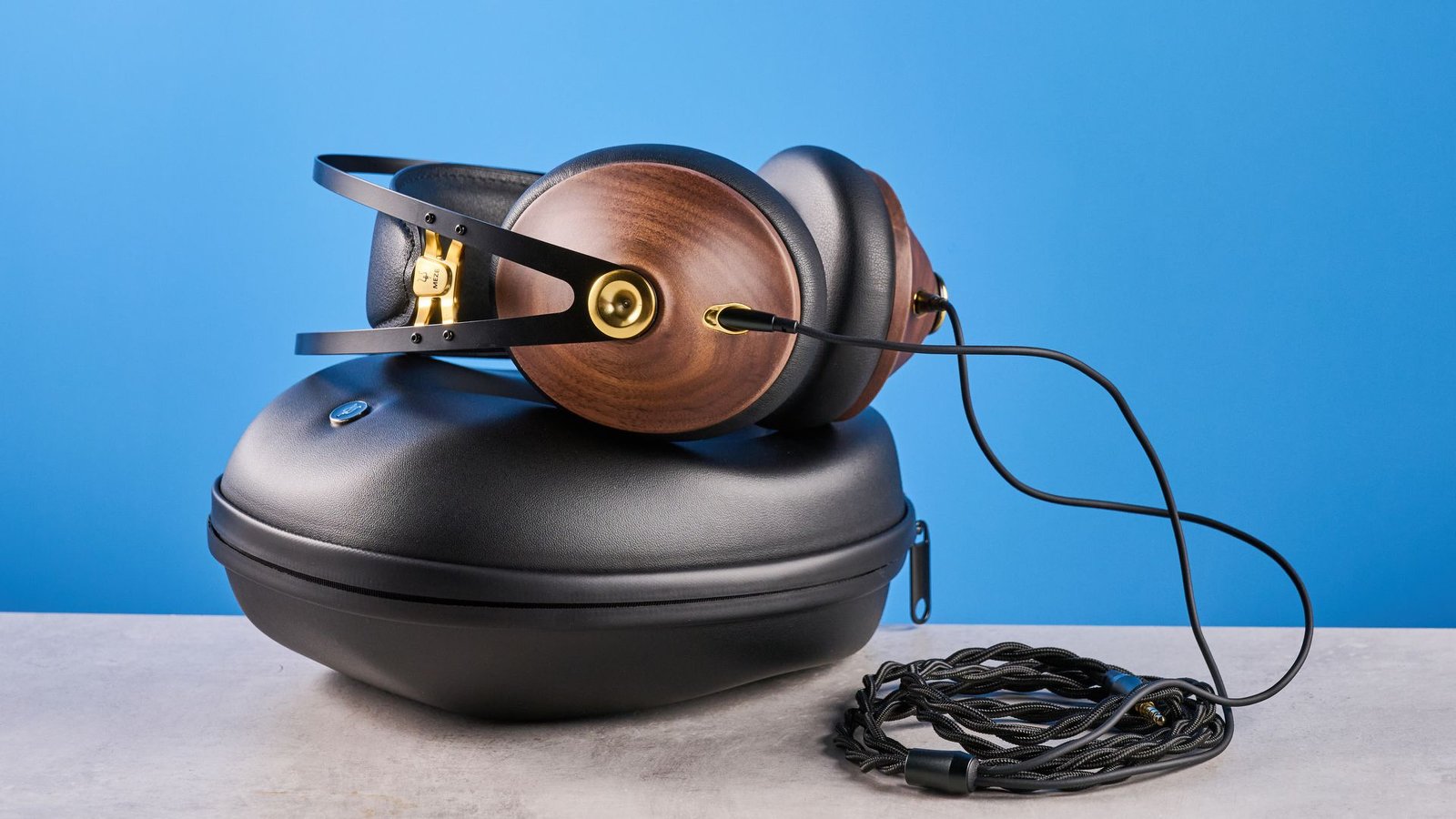
The audio equipment manufacturing sector faces mounting pressure to deliver consistent quality while managing cost structures and supply chain reliability. For companies producing headphones, earbuds, and related audio devices, component sourcing decisions directly impact product performance, manufacturing timelines, and ultimately, market competitiveness. Understanding the landscape of available parts, supplier capabilities, and quality considerations has become essential for manufacturers seeking to maintain production consistency and meet evolving consumer expectations.
The complexity of modern headphone design requires careful coordination across multiple component categories, from acoustic drivers to cable assemblies. Each element contributes to the final product’s performance characteristics, and sourcing missteps can result in production delays, quality issues, or cost overruns. For procurement teams and product managers, developing a comprehensive approach to parts sourcing requires understanding both technical requirements and supplier capabilities within the current market environment.
Understanding the Core Component Categories in Headphone Manufacturing
Modern headphone construction involves several distinct component categories, each serving specific functional roles in the final product. Acoustic drivers form the heart of any headphone system, converting electrical signals into sound waves through carefully engineered magnetic assemblies and diaphragm materials. These components typically account for the largest portion of manufacturing costs and represent the most critical quality control points in the production process.
Manufacturers working with headphone parts wholesale suppliers must consider the full range of components required for complete assembly. Cable assemblies, connector systems, and housing components each contribute to overall product reliability and user experience. The interconnected nature of these systems means that sourcing decisions for individual components must account for compatibility requirements and performance specifications across the entire product architecture.
Housing and structural components provide the mechanical framework that holds all other elements in position while ensuring user comfort and product durability. These parts often involve complex injection molding processes and require careful material selection to balance weight, strength, and aesthetic considerations. The choice of plastics, metals, and foam materials directly affects both manufacturing costs and long-term product performance in real-world usage conditions.
Driver Technology and Sourcing Considerations
Dynamic drivers represent the most common approach to headphone sound reproduction, utilizing permanent magnets and voice coils to generate acoustic output. Sourcing these components requires understanding the relationship between magnetic strength, diaphragm materials, and frequency response characteristics. Suppliers typically offer various grades of driver assemblies, with differences in magnetic materials, voice coil construction, and diaphragm specifications affecting both cost and performance outcomes.
Planar magnetic and electrostatic driver technologies serve specialized market segments but require different sourcing approaches due to their more complex manufacturing requirements. These technologies often involve longer lead times and higher minimum order quantities, making supplier relationship management particularly important for manufacturers working with these component types.
Cable and Connection Infrastructure
Cable assemblies serve dual functions in headphone products, carrying audio signals while providing mechanical connection between components and user devices. The choice of conductor materials, insulation systems, and connector types affects both signal quality and long-term reliability under repeated use conditions. Copper conductor specifications, shielding approaches, and termination methods each contribute to overall system performance and manufacturing complexity.
Connector reliability represents a frequent failure point in headphone products, making supplier quality control capabilities particularly important for these components. Standard connector types like 3.5mm and USB-C require compliance with established specifications, while proprietary connector systems may offer differentiation opportunities but typically involve higher development costs and longer procurement timelines.
Quality Control and Supplier Evaluation Methods
Establishing reliable quality control processes requires understanding both incoming component specifications and final product performance requirements. Effective supplier evaluation goes beyond basic cost comparisons to include assessment of manufacturing capabilities, quality management systems, and supply chain stability. For headphone manufacturers, component quality variations can directly impact acoustic performance, making supplier consistency a critical operational requirement.
Testing protocols for headphone components must address both individual part specifications and system-level performance characteristics. Acoustic measurements, electrical testing, and mechanical durability assessments each provide different perspectives on component suitability and supplier reliability. The complexity of these testing requirements often necessitates investment in specialized equipment and trained personnel to ensure accurate evaluation of supplier capabilities.
Incoming Inspection and Testing Procedures
Component receiving processes should include both statistical sampling and targeted testing of critical performance parameters. For acoustic drivers, frequency response measurements and distortion analysis provide insights into manufacturing consistency and quality control effectiveness. Cable assemblies require electrical continuity testing, connector fit verification, and mechanical stress testing to ensure reliable performance under normal usage conditions.
Documentation requirements for component traceability become particularly important when dealing with multiple suppliers or when addressing quality issues that emerge during production or field use. Effective tracking systems enable rapid identification of affected product batches and facilitate communication with suppliers regarding performance issues or specification changes.
Supplier Capability Assessment
Manufacturing facility audits provide direct insight into supplier production capabilities, quality management practices, and capacity constraints. For headphone component suppliers, key evaluation areas include clean room facilities for sensitive electronic components, automated testing equipment for consistency verification, and inventory management systems for reliable delivery performance.
Financial stability and supply chain diversification represent additional factors in supplier evaluation, particularly for critical components with limited alternative sources. Understanding supplier relationships with raw material providers and their approach to capacity planning helps manufacturers assess long-term supply reliability and potential risk factors.
Cost Management and Procurement Strategies
Effective cost management in headphone component sourcing requires balancing initial purchase prices with total cost of ownership considerations. Volume commitments, payment terms, and logistics arrangements each affect overall procurement costs and cash flow requirements. For manufacturers with seasonal demand patterns or uncertain volume forecasts, flexible procurement arrangements may justify premium pricing to avoid inventory risks or supply shortages.
Currency fluctuation and international shipping costs add complexity to cost management, particularly for manufacturers sourcing components from multiple geographic regions. According to the U.S. Census Bureau, international trade patterns continue to evolve, affecting both costs and delivery timelines for imported components. Hedging strategies and supplier diversification can help mitigate these risks while maintaining cost competitiveness.
Volume Planning and Inventory Management
Demand forecasting accuracy directly affects inventory carrying costs and supply chain efficiency. For headphone manufacturers, seasonal demand patterns and product lifecycle considerations require careful coordination between sales projections and procurement commitments. Component lead times and minimum order quantities further complicate inventory planning, particularly for specialized parts with limited supplier options.
Safety stock levels must account for both demand variability and supply chain disruption risks. Components with longer lead times or single-source suppliers typically require higher inventory buffers, while common parts with multiple supplier options may allow for leaner inventory approaches. The carrying costs associated with different inventory strategies must be weighed against the risks of production delays or lost sales opportunities.
Contract Negotiation and Supplier Agreements
Supplier contracts should address quality specifications, delivery requirements, and risk allocation arrangements. For headphone component sourcing, particular attention to intellectual property protection and confidentiality requirements helps protect product designs and competitive advantages. Payment terms and volume commitments often provide opportunities for cost reductions while establishing clear expectations for both parties.
Change management provisions in supplier agreements become important when product specifications evolve or when market conditions require rapid adjustments to procurement strategies. Clear procedures for specification changes, pricing adjustments, and capacity modifications help maintain supplier relationships while adapting to changing business requirements.
Supply Chain Risk Management and Contingency Planning
Supply chain disruption risks have increased significantly in recent years, making contingency planning essential for maintaining production continuity. For headphone manufacturers, single-source components represent particular vulnerability points that require careful risk assessment and mitigation strategies. Geographic concentration of suppliers, transportation dependencies, and capacity constraints each contribute to overall supply chain risk exposure.
Dual sourcing strategies provide insurance against supplier-specific disruptions but require additional qualification efforts and inventory management complexity. The decision to maintain multiple suppliers must balance risk reduction benefits against increased procurement costs and quality control requirements. For critical components, the investment in supplier diversification often proves worthwhile despite higher operational complexity.
Alternative Supplier Development
Identifying and qualifying alternative suppliers requires significant time and resource investment but provides essential backup capabilities for critical components. The qualification process for new suppliers should mirror the rigor applied to primary suppliers, including facility audits, sample testing, and pilot production runs. Maintaining relationships with qualified alternative suppliers, even without regular purchase volumes, ensures rapid activation capabilities when primary suppliers experience disruptions.
Technology compatibility and performance equivalence represent key challenges when developing alternative suppliers for specialized headphone components. Differences in manufacturing processes or component specifications may require product redesign or requalification efforts, making early identification and development of alternatives particularly important for long-term supply security.
Inventory Buffer Strategies
Strategic inventory positioning helps mitigate supply chain disruption impacts while managing carrying costs and obsolescence risks. For headphone components with long lead times or limited supplier options, higher inventory levels provide insurance against production interruptions. The optimal inventory strategy must balance disruption risks against the costs of excess inventory and potential obsolescence as product designs evolve.
Vendor-managed inventory arrangements transfer some inventory risk to suppliers while ensuring component availability for production requirements. These arrangements work best with suppliers that have strong financial positions and sophisticated inventory management capabilities, allowing manufacturers to reduce their own inventory investments while maintaining production flexibility.
Emerging Technologies and Future Sourcing Considerations
Wireless audio technologies continue to reshape headphone component requirements, creating new sourcing challenges and opportunities. Battery management systems, wireless connectivity modules, and digital signal processing components add complexity to traditional headphone designs while requiring different supplier capabilities and qualification processes. These technological shifts necessitate ongoing evaluation of supplier portfolios and development of new sourcing relationships.
Sustainability requirements and environmental regulations increasingly influence component sourcing decisions. Material composition restrictions, recycling requirements, and carbon footprint considerations affect supplier selection and may require changes to established component specifications. Manufacturers must balance these evolving requirements with cost and performance considerations while maintaining compliance with applicable regulations.
Digital Integration and Smart Features
Integration of digital features like active noise cancellation, voice assistants, and health monitoring capabilities requires sourcing of electronic components beyond traditional audio elements. Microprocessors, sensors, and software integration capabilities become additional factors in supplier evaluation and product development planning. These components often involve different supply chains and qualification requirements compared to traditional headphone parts.
The complexity of digital integration also affects testing and quality control procedures, requiring additional technical capabilities and equipment investments. Suppliers that can provide integrated solutions or comprehensive support for digital component integration may offer advantages over traditional component-only relationships.
Conclusion
Successful headphone component sourcing requires a comprehensive approach that addresses quality requirements, cost management, and supply chain reliability simultaneously. The interconnected nature of headphone systems means that individual component decisions affect overall product performance and manufacturing success. As the audio equipment market continues to evolve with new technologies and changing consumer expectations, manufacturers must maintain flexible sourcing strategies while building strong supplier relationships that support long-term business objectives.
The investment in robust sourcing processes and supplier management capabilities pays dividends through improved product quality, reduced production risks, and enhanced competitive positioning. Companies that develop sophisticated approaches to component evaluation, supplier development, and risk management create sustainable advantages in an increasingly complex and competitive marketplace.
