


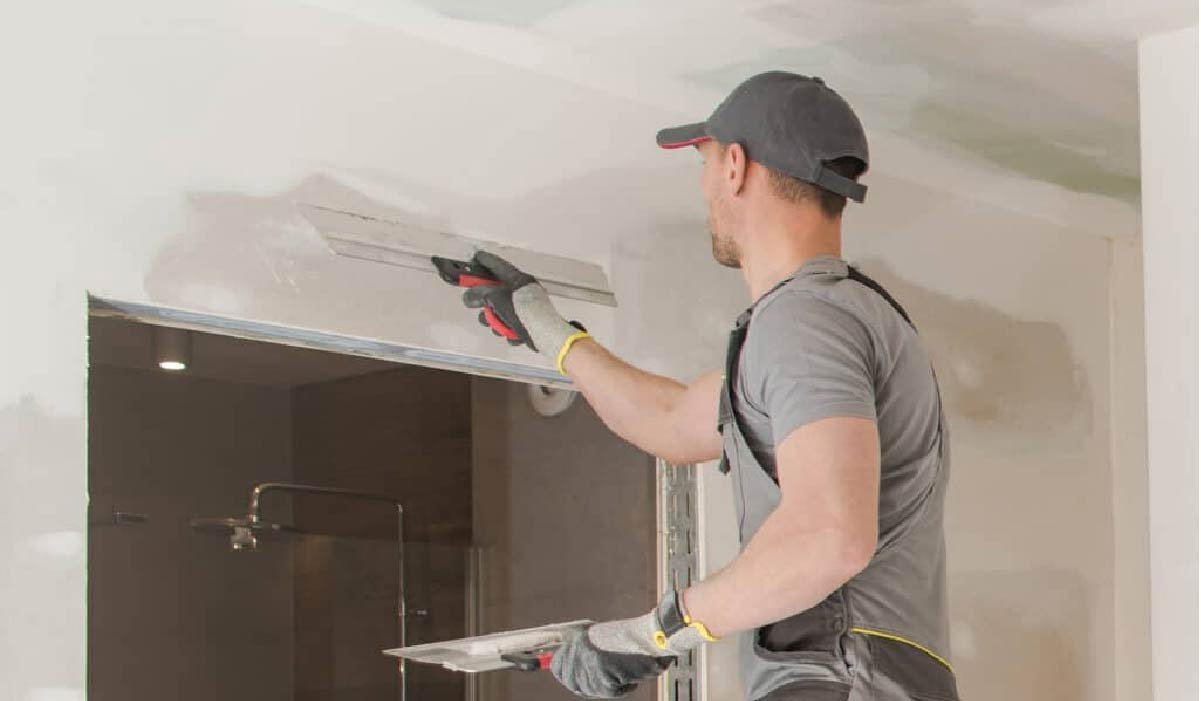
Drywall repair is an essential skill for homeowners, contractors, and maintenance professionals who want to maintain the structural integrity and aesthetic appeal of interior walls. Over time, drywall can become damaged due to accidents, water exposure, settling of the home, or general wear and tear. Cracks, holes, dents, and water stains not only compromise the appearance of a room but can also lead to more serious structural issues if left unaddressed. Effective drywall repair involves understanding the type of damage, selecting the right materials, and applying proper techniques to ensure a smooth, long-lasting finish that blends seamlessly with the surrounding wall.
Understanding the Types of Drywall Damage
Before performing any repairs, it is crucial to identify the type of damage present. Common drywall issues include small nail holes, dents from furniture or doors, larger holes caused by accidental impact, cracks due to settling, and water damage from leaks or flooding. Each type of damage requires a specific repair approach. Small nail holes can typically be filled with spackle or joint compound, while larger holes may require a drywall patch or replacement of the damaged section. Cracks in walls can be stabilized using mesh tape and joint compound, and water-damaged drywall may need to be cut out and replaced entirely to prevent mold growth and further structural problems. Recognizing the extent of the damage ensures that the appropriate repair method is applied for a durable and visually appealing result.
Essential Tools and Materials for Drywall Repair
Successful drywall repair relies on having the proper tools and materials. Essential items include joint compound, spackle, drywall tape, sandpaper, utility knives, drywall saws, putty knives, and a sanding block. For larger repairs, a new piece of drywall and screws or nails may be necessary. Primer and paint are required for finishing the repaired area to match the surrounding wall. Using high-quality materials and tools ensures that repairs are durable and that the wall surface is smooth and even. Having all necessary supplies on hand before starting a repair project reduces delays and improves efficiency.
Techniques for Repairing Small Holes and Dents
Small holes, such as those left by nails or screws, can be repaired quickly using spackle or lightweight joint compound. The first step is to clean the damaged area, removing any loose debris or paint flakes. Apply a small amount of spackle over the hole using a putty knife, pressing it firmly to fill the cavity. Smooth the surface and allow it to dry according to the manufacturer’s instructions. Once dry, sand the area lightly to create a smooth surface, then prime and paint to match the existing wall. Dents or minor surface damage can be repaired using a similar technique, ensuring that the finished surface is flush with the surrounding wall.
Repairing Medium and Large Holes
Medium to large holes in drywall require more extensive repair. For holes up to a few inches in diameter, a self-adhesive drywall patch can be applied directly over the damage. Cut the patch to size, place it over the hole, and cover it with joint compound. Smooth the compound and feather the edges to blend with the surrounding wall. For larger holes, it is often necessary to cut out a rectangular section of damaged drywall and replace it with a new piece. Measure and cut the replacement piece to fit precisely, secure it with screws to wall studs, apply drywall tape over the seams, and cover with joint compound. Multiple layers may be required, with each layer allowed to dry and then sanded to achieve a smooth finish.
Addressing Cracks and Seams
Cracks in drywall are common, especially in older homes or buildings experiencing settling. Narrow cracks can be repaired with joint compound and paint, while wider cracks may require reinforcing with mesh tape to prevent future splitting. Begin by widening the crack slightly using a utility knife to remove any loose material, then apply mesh tape over the crack. Cover the tape with a layer of joint compound, smooth it with a putty knife, and allow it to dry completely. Sand the surface, apply a second layer if needed, and finish with primer and paint. Proper preparation and reinforcement are critical to ensure that cracks do not reappear over time.
Dealing with Water-Damaged Drywall
Water damage is one of the most serious issues affecting drywall. Stains, warping, and mold growth indicate that the material has been compromised. In many cases, it is necessary to cut out the damaged section and replace it entirely. After removing the affected drywall, ensure that the underlying structure is dry and free of mold. Install a new piece of drywall, secure it with screws, tape the seams, and apply joint compound. Finish by sanding, priming, and painting. Addressing the source of the water damage, such as a leaky pipe or roof, is essential to prevent recurrence and maintain the integrity of the repair.
Finishing and Painting for a Professional Look
After repairing the drywall, finishing is essential to ensure a seamless appearance. Sand the repaired area to achieve a smooth surface, removing any ridges or imperfections. Apply a coat of primer to seal the repaired section and prevent uneven paint absorption. Once the primer dries, paint the wall with the matching color, feathering the edges to blend with the surrounding area. Multiple coats may be necessary for complete coverage. Taking the time to finish properly ensures that repairs are virtually invisible, restoring the wall to its original condition.
Tips for Long-Lasting Drywall Repairs
To ensure durability, follow best practices during the repair process. Always use quality materials and tools, allow compound layers to dry fully before sanding, and reinforce seams with tape where necessary. Avoid rushing the process, as inadequate drying or poor application can lead to cracking or uneven surfaces. For water-damaged areas, address the root cause of the moisture before replacing drywall. Regularly inspect repaired areas for any signs of new damage, particularly in homes prone to settling or humidity fluctuations. By applying these strategies, drywall repairs can last for many years and maintain a professional appearance.
Conclusion: Maintaining Strong, Smooth Walls Through Drywall Repair
Drywall repair is a vital skill for maintaining the appearance, safety, and integrity of interior walls. Whether addressing minor nail holes, large impact damage, cracks, or water issues, proper techniques and materials are essential for long-lasting results. By understanding the types of damage, selecting the appropriate repair method, and applying careful finishing, homeowners and professionals can restore walls to their original condition. Consistent maintenance and timely repairs prevent further structural problems and ensure that walls remain smooth, durable, and visually appealing for years to come.
