


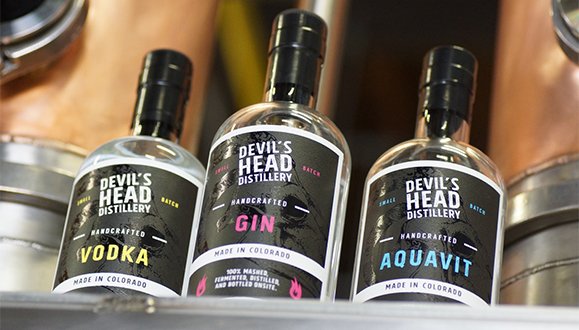
Craft distilleries face constant pressure to balance production efficiency with brand differentiation in an increasingly competitive market. Label printing decisions directly impact both operational costs and market positioning, yet many distillery owners find themselves choosing between methods without understanding the full financial implications. The choice between digital and traditional printing affects everything from inventory management to seasonal product launches, making it one of the most consequential operational decisions for growing distilleries.
As craft spirits continue to gain market share, distilleries must optimize every aspect of their production chain while maintaining the flexibility to respond to market demands. Label printing sits at the intersection of these concerns, where production efficiency meets brand expression. Understanding which printing method delivers genuine return on investment requires examining both immediate costs and long-term operational benefits.
Traditional Offset Printing Establishes Cost Efficiency Through Volume
Traditional offset printing achieves its cost advantage through economies of scale, where unit costs decrease significantly as print volumes increase. A liquor label manufacturer using offset methods typically requires minimum orders of several thousand labels to justify setup costs, but delivers substantially lower per-unit pricing once those minimums are met. This approach works particularly well for distilleries with established product lines and predictable demand patterns.
The offset process involves creating printing plates for each color in the design, then transferring ink from these plates to a rubber blanket before applying it to the label material. This indirect printing method produces consistent color reproduction and sharp detail across large runs, making it the preferred choice for distilleries that value color accuracy and print quality consistency.
Setup Costs Drive Volume Requirements
Offset printing requires significant upfront investment in plate creation and press setup, costs that must be distributed across the entire print run to achieve acceptable unit economics. Distilleries typically need to order at least 5,000 labels per design to reach the break-even point where offset becomes more economical than digital alternatives. This volume requirement forces distilleries to commit to substantial inventory levels and limits their ability to test new designs or seasonal variations without significant financial risk.
The plate creation process also means that any design changes require new plates, effectively restarting the setup cost cycle. For distilleries that frequently update their branding or seasonal offerings, these recurring setup costs can quickly erode the per-unit savings that offset printing provides.
Material Flexibility and Finishing Options
Traditional printing presses handle a wider range of label materials and finishing techniques than most digital systems. Distilleries can specify textured papers, metallic foils, and specialty coatings that enhance shelf appeal and brand differentiation. The ability to apply multiple finishing processes in-line during printing reduces handling costs and potential quality issues associated with multiple production steps.
Offset printing also accommodates specialty inks and varnishes that create tactile experiences for consumers. These finishing options often justify premium pricing for craft spirits, helping distilleries recover the higher upfront printing costs through improved product positioning.
Digital Printing Delivers Operational Flexibility and Risk Reduction
Digital printing eliminates the plate-making step entirely, allowing distilleries to order labels on demand and modify designs without setup penalties. This printing method transfers digital files directly to the label material using toner or inkjet technology, producing finished labels in hours rather than weeks. The ability to print exact quantities reduces waste and working capital requirements while enabling rapid response to market opportunities.
Modern digital printing systems produce quality levels that approach offset printing for most applications, while offering advantages that offset methods cannot match. Variable data printing allows each label in a run to contain unique information, enabling limited editions, batch coding, or personalized products that command premium pricing.
Inventory Management and Cash Flow Benefits
Digital printing supports just-in-time label production, reducing inventory carrying costs and eliminating the risk of obsolete stock from design changes or discontinued products. Distilleries can maintain minimal label inventory while ensuring they never face production delays due to stockouts. This approach particularly benefits seasonal operations or distilleries introducing new products where demand patterns remain uncertain.
The reduced minimum order quantities typical of digital printing, often as low as 100 labels, allow distilleries to test new designs or limited releases without significant financial exposure. This testing capability enables more aggressive innovation and faster response to consumer preferences, potentially generating revenue that would be impossible under traditional printing constraints.
Speed to Market and Design Iteration
Digital printing processes typically complete orders within 24 to 48 hours, compared to the weeks required for offset printing. This speed advantage proves crucial for distilleries launching seasonal products, responding to urgent orders, or capitalizing on marketing opportunities. The ability to iterate designs quickly also supports more sophisticated marketing strategies where label variations can be tested and optimized based on actual market response.
The elimination of physical plates means design changes cost only the time required to modify digital files. Distilleries can refine their branding continuously without the financial barriers that traditional printing creates, leading to more effective brand development over time.
Cost Analysis Reveals Volume-Dependent ROI Patterns
The financial comparison between digital and traditional printing depends heavily on order volumes, design stability, and time sensitivity. Traditional offset printing delivers lower per-unit costs at higher volumes, while digital printing provides better total cost of ownership when factoring in inventory carrying costs, waste reduction, and opportunity costs of delayed market entry. According to the Small Business Administration, inventory management represents a significant cost factor for small manufacturers, making the working capital advantages of digital printing particularly relevant for craft distilleries.
Break-even analysis typically shows offset printing becoming more economical at volumes above 3,000 to 5,000 labels per design, assuming the distillery can utilize the full quantity within a reasonable timeframe. Below these volumes, the combination of setup costs and inventory risks often makes digital printing more cost-effective despite higher per-unit pricing.
Hidden Costs in Traditional Printing
Offset printing involves several cost components beyond the quoted unit price that can significantly impact ROI calculations. Storage costs for large label inventories, insurance for stored materials, and the opportunity cost of capital tied up in inventory all reduce the apparent savings from lower unit pricing. Design change costs, including new plate creation and obsolete inventory write-offs, further erode cost advantages.
Quality control issues in large offset runs can result in significant waste or rework costs. Unlike digital printing where problems typically affect smaller quantities, offset printing problems can impact entire runs, creating substantial replacement costs and production delays.
Revenue Generation Capabilities
Digital printing’s flexibility enables revenue generation strategies that traditional printing cannot support. Limited edition releases, personalized labels, and rapid response to market trends can generate premium pricing that more than compensates for higher printing costs. The ability to test multiple design variations allows distilleries to optimize their branding for maximum market impact.
Variable data printing capabilities enable serialized products, collector editions, and personalized offerings that create additional revenue streams. These applications typically command significant price premiums, making the choice of printing method secondary to the revenue opportunities they enable.
Quality Considerations Impact Brand Positioning
Print quality differences between digital and traditional methods continue to narrow, but meaningful distinctions remain for specific applications. Traditional offset printing still holds advantages for precise color matching, fine detail reproduction, and specialty finishes that enhance perceived product quality. Digital printing excels in areas like variable data, quick turnaround, and consistent output across smaller runs.
Brand positioning plays a crucial role in determining which quality characteristics matter most. Premium craft spirits that compete based on tradition and craftsmanship may benefit from the superior color accuracy and finishing options available through offset printing. Innovative or limited-release products may gain more value from the flexibility and personalization capabilities of digital printing.
Color Accuracy and Consistency Requirements
Offset printing provides superior color consistency across large runs and better color matching capabilities for brands with established color standards. The Pantone color system integrates more seamlessly with offset printing processes, ensuring brand colors reproduce accurately across different print runs and label materials. This consistency becomes crucial for distilleries building brand recognition based on visual identity.
Digital printing has improved significantly in color reproduction but still faces limitations with certain color ranges and metallics. However, for many craft distillery applications, digital printing quality exceeds consumer perception thresholds, making the flexibility advantages more important than marginal quality differences.
Durability and Performance Standards
Both printing methods can produce labels that meet typical durability requirements for liquor applications, including resistance to moisture, handling, and temperature variations. The choice of label materials and adhesives typically impacts durability more than the printing method itself. However, certain specialty inks and coatings available through offset printing may provide superior protection in demanding environments.
UV resistance, scratch resistance, and adhesion performance depend more on material selection and finishing processes than on the fundamental printing technology. Distilleries should evaluate durability requirements based on their specific distribution and storage conditions rather than assuming one printing method provides inherently superior performance.
Strategic Decision Framework for Distilleries
Choosing between digital and traditional printing requires analyzing multiple factors beyond simple cost-per-label calculations. Distilleries must consider their production volumes, product mix stability, growth trajectory, and strategic priorities when evaluating printing options. The decision should align with broader business objectives rather than focusing solely on immediate cost optimization.
Market positioning and brand strategy also influence the optimal printing choice. Established distilleries with stable product lines and high volumes may benefit from traditional printing’s cost advantages, while growing operations or those emphasizing innovation may find digital printing’s flexibility more valuable.
Volume and Demand Predictability Assessment
Distilleries with consistent demand patterns and established product lines can leverage traditional printing’s volume economics effectively. These operations benefit from predictable label requirements that justify large print runs and minimize the risk of obsolete inventory. Seasonal variations and promotional activities can be planned around longer lead times typical of offset printing.
Operations with variable demand, frequent product introductions, or significant seasonal fluctuations often find digital printing’s flexibility more valuable than cost savings from traditional methods. The ability to respond quickly to market opportunities and minimize inventory risk becomes more important than per-unit printing costs.
Growth Stage and Resource Allocation
Early-stage distilleries typically benefit from digital printing’s lower capital requirements and reduced inventory risk. The ability to test products and iterate designs without significant financial commitment supports the experimentation necessary for market development. As operations mature and volumes increase, transitioning to traditional printing may become economically attractive.
Established distilleries may choose hybrid approaches, using traditional printing for core products with stable demand while employing digital printing for new product introductions, seasonal offerings, and limited releases. This strategy optimizes costs while maintaining operational flexibility.
Conclusion
The choice between digital and traditional liquor label printing ultimately depends on each distillery’s specific operational requirements, growth stage, and strategic priorities. Traditional offset printing delivers superior per-unit economics for high-volume, stable products, while digital printing provides operational flexibility and risk reduction that often justify higher unit costs. Rather than viewing these as competing alternatives, successful distilleries increasingly adopt hybrid approaches that optimize both cost efficiency and market responsiveness.
The most effective decision framework considers total cost of ownership including inventory carrying costs, design change expenses, and opportunity costs of reduced flexibility. As digital printing technology continues improving while maintaining its inherent advantages in speed and flexibility, the volume threshold where traditional printing becomes economically superior continues to increase. Distilleries should regularly reassess their printing strategy as their operations evolve and market conditions change.
