


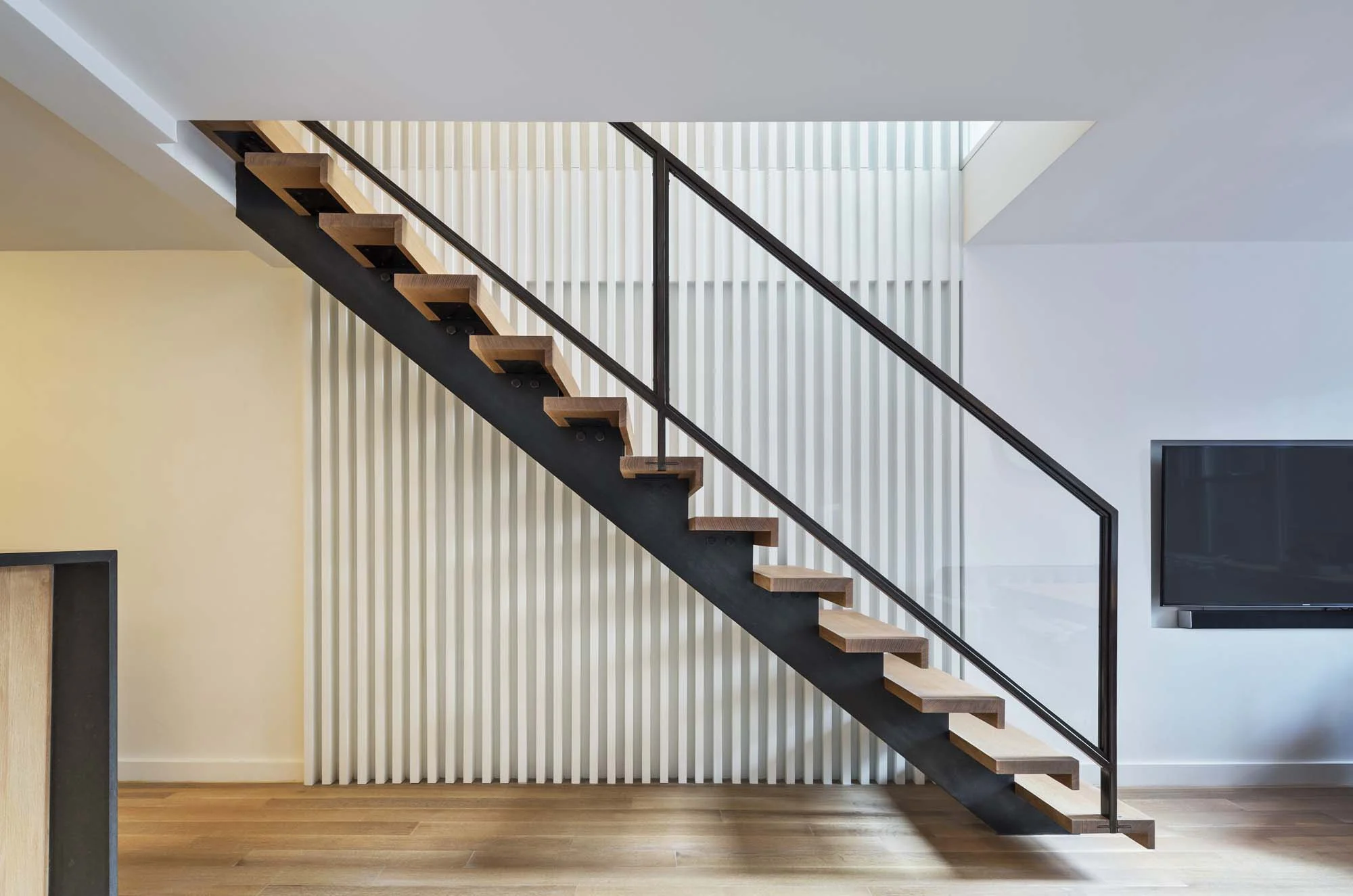
The decision between custom and prefabricated stairs represents one of the most significant cost variables in modern commercial and residential renovations across New York City. Property managers, architects, and building owners frequently underestimate how stair selection impacts project timelines, structural integrity, and long-term maintenance costs. The choice becomes particularly complex in older buildings where existing structural conditions, space constraints, and code compliance requirements create unique challenges that standard solutions cannot address.
Building professionals working in New York’s dense urban environment face mounting pressure to balance upfront investment with operational reliability. The wrong stair selection can cascade into costly delays, structural modifications, and ongoing maintenance issues that extend far beyond the initial installation. Understanding the operational implications of each approach allows decision-makers to evaluate true project costs rather than simply comparing initial purchase prices.
Understanding Custom Steel Fabrication in Urban Construction
Custom steel fabrication involves designing and manufacturing stairs to exact specifications based on specific site conditions, structural requirements, and architectural constraints. This approach addresses the reality that many New York buildings present unique challenges that prefabricated solutions cannot accommodate. Custom steel stairs new york installations typically require detailed structural analysis, precise measurements, and coordination with existing building systems.
The fabrication process begins with comprehensive site evaluation and structural engineering analysis. Steel fabricators work directly with structural engineers to ensure the stair system integrates properly with existing building frameworks. This coordination becomes essential in older buildings where floor-to-floor heights vary, structural members may not align with standard dimensions, or where architectural features create space limitations that standard stairs cannot navigate.
Custom fabrication allows for precise material selection based on load requirements, environmental conditions, and expected usage patterns. Fabricators can adjust steel grades, connection methods, and surface treatments to match specific performance requirements. This flexibility proves valuable in mixed-use buildings where stairs must handle varying traffic loads or in industrial applications where chemical resistance or enhanced durability becomes necessary.
Structural Integration Requirements
Custom steel stairs require careful integration with existing structural systems, particularly in buildings where original construction did not anticipate modern stair configurations. Structural engineers must evaluate load paths, connection points, and potential impacts on building stability. This analysis often reveals the need for additional structural reinforcement or modifications to accommodate new stair loads.
The integration process frequently uncovers existing structural deficiencies that must be addressed before stair installation can proceed. Building owners may discover that floor systems require strengthening, that connection points need reinforcement, or that existing structural members must be modified to accommodate proper stair attachment. These discoveries can significantly impact project costs and timelines.
Code Compliance and Inspection Processes
Custom steel installations must undergo rigorous code compliance review and inspection processes that differ significantly from prefabricated alternatives. Building departments typically require detailed engineering drawings, structural calculations, and material specifications before issuing permits. The review process can extend project timelines but ensures that installations meet all applicable safety standards.
Inspection requirements for custom steel work often include multiple checkpoints throughout the fabrication and installation process. Inspectors may need to verify material properties, welding procedures, and connection details at various stages. This oversight helps prevent costly corrections but requires careful coordination between fabricators, installers, and inspection authorities.
Prefabricated Stair Systems and Standardization
Prefabricated stair systems offer standardized solutions manufactured in controlled factory environments using predetermined specifications and materials. These systems provide predictable costs, shorter lead times, and simplified installation processes that appeal to projects with tight schedules and fixed budgets. Prefab systems work well in new construction where architects can design around standard stair dimensions and configurations.
Manufacturing standardization allows prefab producers to achieve consistent quality control and cost efficiency through volume production. Factory environments provide better control over welding conditions, material handling, and finishing processes compared to field fabrication. This consistency can reduce quality variations and installation complications that sometimes occur with custom work.
Prefabricated systems typically include standardized connection details, mounting hardware, and installation procedures that simplify the construction process. Contractors can often install prefab stairs with standard tools and techniques, reducing the need for specialized equipment or highly skilled installation crews. This accessibility can help control labor costs and reduce installation timeframes.
Dimensional Constraints and Adaptability
Prefabricated stair systems operate within predetermined dimensional parameters that may not accommodate unique site conditions commonly found in New York’s older building stock. Standard rise and run dimensions, overall stair widths, and landing configurations may not align with existing building layouts or architectural requirements. These limitations can force design compromises or require costly building modifications.
Site adaptation for prefab systems often requires building modifications rather than product modifications. Property owners may need to adjust floor openings, modify structural connections, or alter surrounding architectural elements to accommodate standard stair dimensions. These modifications can offset some of the cost advantages that initially make prefab systems attractive.
Installation Speed and Project Scheduling
Prefabricated stairs offer significant advantages in project scheduling due to shorter manufacturing lead times and streamlined installation processes. Factory production can proceed while site preparation work continues, allowing for better project coordination. Installation typically requires fewer days on-site compared to custom fabrication and field assembly.
The predictable installation timeline helps project managers coordinate other trades and maintain overall project schedules. OSHA construction standards require careful coordination of stair installation with other building systems, and prefab systems often simplify this coordination through standardized procedures and reduced installation complexity.
Cost Analysis Beyond Initial Investment
The true cost comparison between custom and prefabricated stairs extends well beyond initial purchase prices and includes factors such as site modification requirements, installation complexity, long-term maintenance needs, and potential replacement costs. Custom steel stairs new york projects often carry higher upfront costs but may provide better long-term value through enhanced durability and optimal site integration.
Installation costs vary significantly based on site conditions, access constraints, and integration requirements. Custom stairs may require more specialized installation crews and equipment, increasing labor costs. However, prefab systems may require expensive site modifications or structural changes that can offset their apparent cost advantages. These hidden costs often emerge during the design development phase when actual site conditions become fully understood.
Long-term operational costs include maintenance requirements, potential replacement needs, and impacts on building functionality. Custom steel installations often provide superior durability and can be designed to minimize maintenance requirements over their operational life. Prefab systems may require more frequent maintenance or earlier replacement, particularly in high-traffic applications or challenging environmental conditions.
Material Cost Variables
Material costs for stair systems fluctuate based on steel market conditions, specification requirements, and manufacturing volumes. Custom fabrication allows for precise material optimization, using only the steel grades and quantities necessary for specific applications. This precision can reduce material waste and optimize structural efficiency, though it may not achieve the volume purchasing advantages available to prefab manufacturers.
Prefabricated systems benefit from volume steel purchasing and standardized material specifications that can reduce per-unit material costs. However, standardization may result in over-engineering for some applications or require additional materials for site adaptation. The net material cost advantage depends on specific project requirements and market conditions at the time of purchase.
Labor and Installation Economics
Labor costs represent a significant portion of total stair installation expenses and vary considerably based on project complexity, site conditions, and required skill levels. Custom steel fabrication typically requires highly skilled welders and fabricators, commanding higher hourly rates but potentially completing work more efficiently due to their expertise.
Installation labor for prefab systems may cost less per hour but could require additional time for site modifications or adaptation work. The total labor cost depends on whether the project requires building changes to accommodate standard stair dimensions or whether custom fabrication better matches existing conditions. Access constraints in urban environments can significantly impact installation labor costs for both approaches.
Durability and Long-Term Performance
Durability differences between custom and prefabricated steel stairs stem from material selection flexibility, manufacturing processes, and site-specific optimization capabilities. Custom fabrication allows engineers to specify materials and details based on actual use conditions, environmental factors, and expected service life requirements. This optimization can result in superior long-term performance and reduced maintenance costs.
Corrosion resistance represents a critical durability factor in New York’s urban environment where salt exposure, moisture, and air pollution create challenging conditions for steel structures. Custom fabrication allows for specific protective coating systems and material selections based on actual exposure conditions. Prefab systems typically use standard coating systems that may not provide optimal protection for all installation environments.
Fatigue resistance becomes important in stairs subject to heavy traffic loads or dynamic loading conditions. Custom design allows engineers to optimize connection details, member sizes, and load paths to minimize stress concentrations and enhance fatigue performance. Standard prefab designs may not provide optimal fatigue resistance for all applications, particularly in high-traffic commercial or industrial settings.
Maintenance Requirements and Accessibility
Maintenance accessibility affects long-term operational costs and building functionality throughout the stair system’s service life. Custom design can incorporate maintenance access features, removable components, and inspection points that facilitate ongoing upkeep. These design considerations can significantly reduce future maintenance costs and minimize building disruption during service activities.
Prefabricated systems may not include optimal maintenance features, particularly if standard designs do not anticipate specific maintenance requirements or access constraints. Building owners may face higher maintenance costs or more disruptive service procedures if prefab systems do not accommodate efficient maintenance practices.
Project Timeline Considerations
Timeline differences between custom and prefabricated stair systems extend beyond manufacturing and installation periods to include design development, approval processes, and coordination requirements. Custom steel stairs new york projects typically require longer design development periods but may avoid delays associated with site modifications or dimensional conflicts that can affect prefab installations.
Permit approval timelines vary based on design complexity, code compliance requirements, and local building department procedures. Custom designs may require more extensive review processes but can address code compliance issues during the design phase. Prefab systems may receive faster permit approval but could encounter compliance issues during installation if standard designs do not fully address site-specific code requirements.
Coordination with other building systems often proves more complex with prefab systems that cannot easily adapt to field conditions. Custom fabrication allows for real-time coordination adjustments and can accommodate discoveries that emerge during construction. This flexibility can prevent costly delays and change orders that sometimes occur when standard systems encounter unexpected site conditions.
Supply Chain and Delivery Factors
Supply chain reliability affects project schedules and cost predictability for both custom and prefabricated stair systems. Custom fabrication typically involves shorter supply chains with more direct control over material sourcing and production scheduling. Local fabricators can often respond more quickly to schedule changes or urgent project requirements.
Prefabricated systems may face longer supply chains and less flexibility in production scheduling, particularly during periods of high demand. However, established prefab manufacturers often maintain better inventory management and can provide more predictable delivery schedules for standard products. The optimal choice depends on project timing requirements and market conditions.
Decision Framework for New York Projects
The selection between custom steel and prefabricated stairs requires systematic evaluation of project constraints, performance requirements, and cost priorities. Building owners and project managers benefit from early assessment of site conditions, structural requirements, and long-term operational goals to make informed decisions that optimize project outcomes.
Site condition assessment should occur early in the design process to identify dimensional constraints, structural limitations, and access challenges that could affect stair selection. Older buildings often present unique conditions that favor custom solutions, while new construction may accommodate prefab systems more readily. Understanding these conditions before finalizing stair selection can prevent costly changes later in the project.
Performance requirements analysis should consider expected traffic loads, environmental conditions, maintenance capabilities, and service life expectations. High-performance applications may justify the additional investment in custom solutions, while standard applications might achieve acceptable performance with prefab systems. The decision should align with overall building performance goals and operational requirements.
Budget analysis must include all project costs, not just initial stair prices. Site preparation, installation complexity, permit fees, and long-term maintenance costs all contribute to total ownership costs. Custom steel stairs new york installations may provide better long-term value despite higher initial costs, particularly in challenging applications or historic buildings.
Conclusion
The choice between custom steel and prefabricated stairs represents a fundamental decision that extends far beyond initial cost considerations. Success depends on accurately assessing site conditions, understanding performance requirements, and evaluating total project costs rather than simply comparing upfront prices. Custom fabrication offers superior adaptability and long-term performance but requires higher initial investment and longer development timelines. Prefabricated systems provide cost predictability and faster installation but may necessitate building modifications or compromise optimal performance.
Project success ultimately depends on matching stair selection to specific project requirements, site constraints, and operational goals. Early evaluation of these factors allows building professionals to make informed decisions that optimize both immediate project outcomes and long-term building performance. The $15,000 cost differential often cited between approaches represents only part of the true economic impact, which includes installation complexity, long-term durability, and operational efficiency throughout the building’s service life.
