


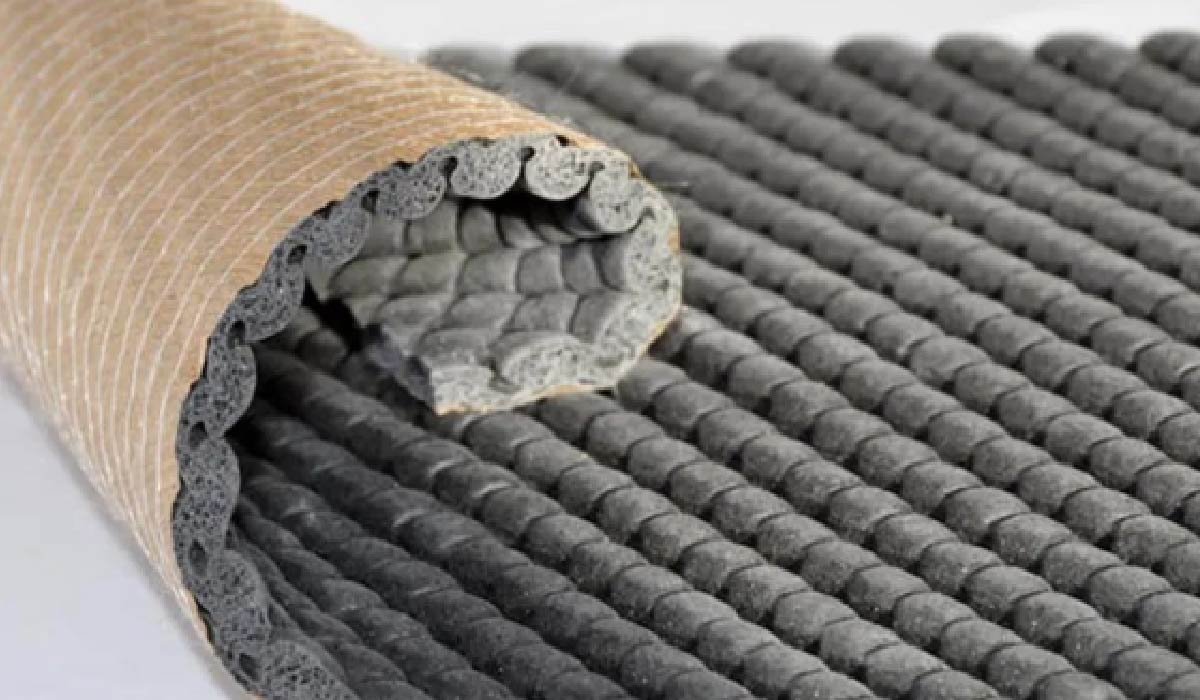
Carpet off-cuts are also part of the overall flooring supply chain and are created due to the flooring manufacture and installation process. Off-cuts are essentially leftover pieces of flooring material that have not been used in any project or have been cut off from larger rolls of flooring material. They are essentially transported through the same supply chain as standard flooring products but in small and irregular amounts.
Cost Patterns and Material Access
There is a difference in the pricing of offcuts compared to the price of a roll of carpet. This is because of their source. These pieces are available at lower prices, irrespective of their original grade or specification. Therefore, there is a possibility of materials being available in lower quantities, which would have originally been placed in higher price bands. This is probably true for projects where there is limited surface area, where buying a roll of carpet would not suit spatial needs.
There is no change in material composition, only a positioning of surplus in the supply process. Offcuts act as a secondary form of supply rather than another type of product.
Availability and Installation Timing
Offcuts move through supply without extended lead times. They are generally available for immediate selection, as they do not require production scheduling. This allows installation timelines to remain short, particularly in smaller projects or partial replacements.
The process differs from made-to-order carpets, where dimensions and finishes follow a defined production cycle. Offcuts, by contrast, remain fixed in size and form at the point of purchase. Their use reflects alignment between available material and existing space, rather than specification-led sourcing.
Material Use and Application Range
The use of offcuts extends across a range of interior functions. They appear as floor coverings in smaller rooms, circulation areas, and transitional spaces. In some cases, they are cut further to form rugs, runners, or stair coverings. These applications reflect how the material adapts to varied spatial conditions without requiring uniform dimensions.
Additional uses appear in non-floor applications. Offcuts are sometimes used as protective layers beneath furniture or as surface padding in functional areas. In these cases, the material operates outside its original intended placement, reflecting flexibility within interior use patterns.
Environmental Position Within Supply
Offcuts reflect a response to material surplus within carpet production and installation. Their continued use reduces the volume of unused material moving out of the supply cycle. This behaviour appears as part of a broader pattern where excess materials remain in circulation rather than being discarded.
The environmental aspect does not alter the material itself. It reflects how distribution extends the usable life of existing production output. This pattern remains consistent across different flooring categories where remnants or surplus materials are present.
Conclusion
Carpet offcuts continue to be included in the flooring supply system based on surplus and distribution. Their application is based on material availability and space size as opposed to specification. In various contexts, it is clear that offcuts continue to be included in the same system as full carpets in varying scale but with the same level and type of function.
In this context, Urmston Carpets is included as a regional supplier based on offcuts and full carpets in the same stock flow process. The supply process is based on full installation and offcuts that correspond to varying room sizes and installation conditions without changing the process.
For more information, visit https://urmstoncarpets.co.uk/
