


Distribution centers and fulfillment operations face mounting pressure to reduce damage claims while controlling packaging costs. A single damaged shipment can trigger customer complaints, replacement costs, and potential chargebacks that quickly erode profit margins. For companies shipping electronics, glassware, ceramics, or other breakable products, the choice of protective packaging material directly impacts both operational expenses and customer satisfaction rates.
Recent comprehensive testing involving over 10,000 shipments across multiple carriers has provided concrete data about how different cushioning materials perform under real shipping conditions. The results challenge several common assumptions about protective packaging and reveal significant differences in both cost-effectiveness and damage prevention capabilities. These findings matter because packaging decisions made at the warehouse level ultimately determine whether products reach customers intact or generate costly returns and replacements.
Understanding how bubble wrap, air pillows, and foam perform across different shipping scenarios helps operations managers make informed decisions about protective packaging strategies. The financial implications extend beyond material costs to include labor efficiency, storage requirements, and long-term damage claim patterns that can substantially impact bottom-line performance.
Material Performance Under Standard Shipping Conditions
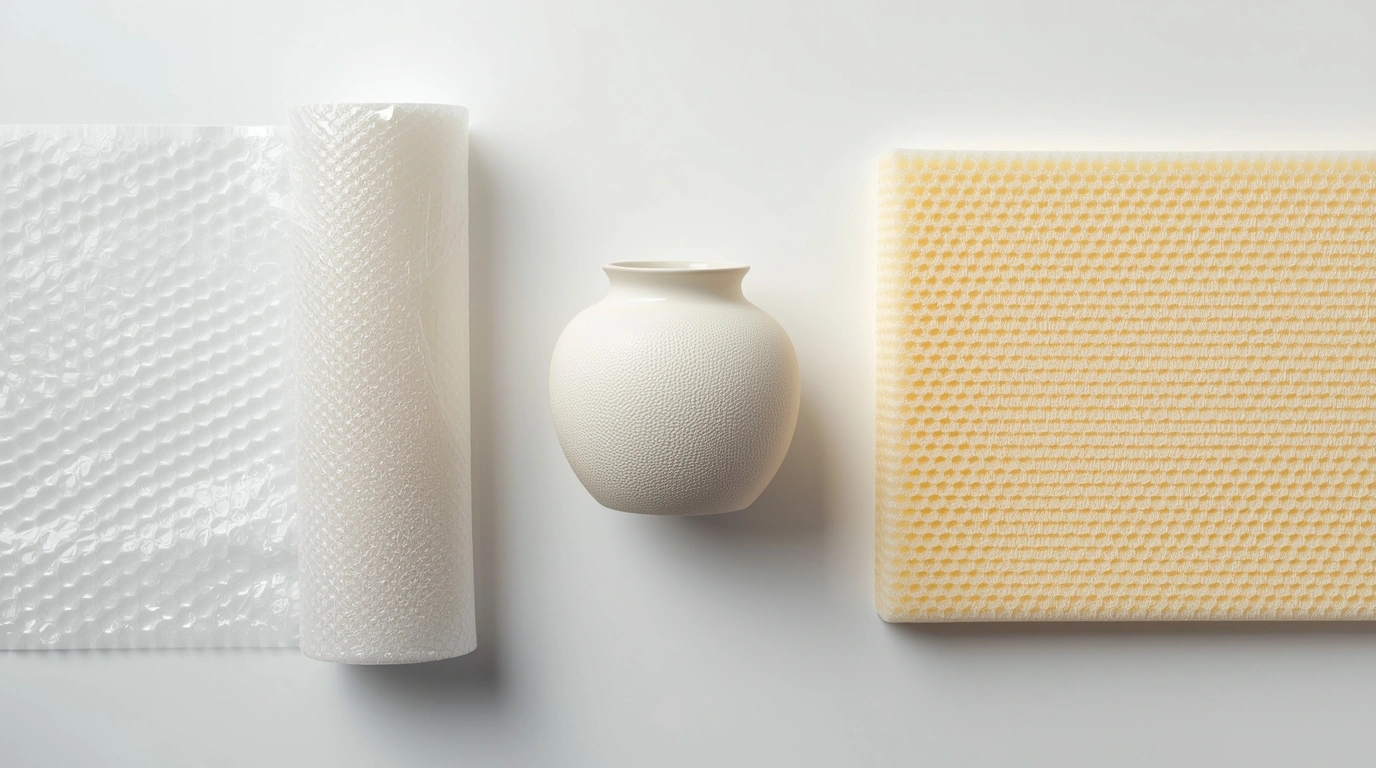
The three most common protective packaging materials each respond differently to the stresses encountered during standard shipping and handling. Bubble wrap relies on trapped air chambers to absorb impact energy, but these chambers can deflate under sustained pressure or temperature changes. Air pillows function similarly but typically use larger air chambers and different film materials that may offer better puncture resistance. Foam materials, whether molded or sheet form, provide consistent cushioning through their cellular structure without relying on maintaining air pressure.
Professional shipping boxes for fragile items often incorporate multiple protective elements, but the choice of primary cushioning material significantly influences overall protection levels. Testing data shows that each material type exhibits distinct failure patterns when subjected to drops, compression, and vibration stress typical of carrier handling.
Temperature variations during transit create additional challenges for air-based cushioning systems. Bubble wrap and air pillows can lose protective capacity when air chambers contract in cold conditions or expand beyond optimal pressure in heat. Foam materials generally maintain more consistent protective properties across temperature ranges, though they may become stiffer in extreme cold or softer in high heat conditions.
Drop Test Performance Variations
Controlled drop testing from heights equivalent to standard conveyor and loading dock conditions revealed significant performance differences among the three materials. Bubble wrap showed excellent protection for lightweight items but demonstrated reduced effectiveness as package weight increased beyond fifteen pounds. The material’s ability to distribute impact forces decreased noticeably when bubble chambers began failing under the combination of item weight and impact stress.
Air pillows performed consistently across a broader weight range, maintaining protective capacity for packages up to thirty pounds in most test scenarios. However, puncture failures occurred more frequently with air pillows when packages contained items with sharp corners or protruding elements. Once punctured, air pillows lose protective value rapidly, unlike bubble wrap where localized chamber failures may not compromise overall cushioning.
Foam materials demonstrated the most predictable performance characteristics across weight ranges and package configurations. Closed-cell foam maintained cushioning properties even when compressed repeatedly, while open-cell foam showed better conformability around irregular item shapes but less recovery after compression cycles.
Compression Resistance During Stacking
Warehouse stacking and transport vehicle loading create sustained compression forces that affect protective packaging differently than impact stresses. Air-based materials face particular challenges when packages remain stacked for extended periods, as gradual air loss can compromise protection before packages reach their destination.
Testing showed that bubble wrap maintains approximately seventy percent of its original cushioning after twenty-four hours under moderate compression, with further degradation occurring over longer periods. Air pillows performed better under sustained compression, retaining roughly eighty-five percent of protective capacity after similar time periods, likely due to their larger air chambers and thicker film construction.
Foam materials consistently outperformed air-based options in compression testing, with high-quality closed-cell foam retaining over ninety percent of original thickness even after extended compression periods. This characteristic becomes particularly important for shipping boxes for fragile items that may spend days in transit or remain stacked in delivery vehicles.
Cost Analysis Beyond Material Purchase Price
Comprehensive cost analysis reveals that material purchase price represents only one component of total protective packaging expenses. Labor time for package preparation, storage space requirements, and damage claim costs significantly influence the true economic impact of cushioning material choices. Operations focused solely on per-unit material costs often miss these broader financial implications.
Labor efficiency varies considerably among the three material types. Bubble wrap requires careful cutting and positioning to achieve optimal protection, with workers often using multiple layers for heavier items. This process can add thirty to sixty seconds per package compared to simpler protective methods. Air pillows typically reduce packing time since they conform to package contents without extensive positioning, though they require inflation equipment that adds upfront investment and maintenance costs.
Storage considerations affect facility costs in ways that may not be immediately apparent. Bubble wrap and foam materials consume significant warehouse space when stored in quantities sufficient for high-volume operations. Air pillows offer substantial storage space savings since they ship and store flat, requiring inflation only at the point of use.
Hidden Costs of Damage Claims
Damage claim analysis from the comprehensive testing program revealed cost patterns that extend beyond simple product replacement expenses. Claims involving bubble wrap failures often resulted from gradual degradation during transit, making it difficult to determine whether packaging or handling issues caused the damage. This ambiguity can complicate insurance claims and carrier liability discussions.
Air pillow failures typically occurred suddenly due to punctures, creating clear cause-and-effect relationships that streamline claim processing. However, the complete loss of protection when air pillows fail can result in more severe damage to packaged items, potentially increasing claim amounts even if claim frequency remains similar.
Foam-protected packages generated the lowest overall claim rates in testing, but the higher material costs require balancing against reduced claim expenses. For high-value items, the premium cost of foam materials often proves economical when factoring in avoided damage claims and customer service costs.
Volume Purchasing and Supply Chain Considerations
Material procurement costs change significantly with volume levels and supply chain stability. Bubble wrap prices fluctuate with petroleum costs since the material derives from plastic resins, creating budget uncertainty for operations with fixed packaging cost assumptions. Air pillow film costs follow similar patterns but may show different timing in price changes due to varying supplier relationships and manufacturing processes.
Foam material pricing tends to be more stable over time, though supply availability can become constrained during peak shipping seasons or supply chain disruptions. The manufacturing processes for foam materials often require longer lead times than film-based products, making inventory planning more critical for operations relying heavily on foam protection.
According to the U.S. Census Bureau, packaging material costs represent a growing percentage of total manufacturing expenses, making supply chain stability increasingly important for operations planning. This trend emphasizes the value of diversified sourcing strategies that may incorporate multiple protective packaging approaches.
Operational Implementation and Workflow Integration
Successful protective packaging programs require integration with existing warehouse workflows and packing station designs. Each cushioning material type demands different equipment, training approaches, and quality control procedures. Operations that fail to account for these implementation requirements often experience reduced protection effectiveness regardless of material choice quality.
Bubble wrap integration typically requires minimal equipment changes but demands worker training focused on proper cutting techniques and layer application methods. Inconsistent application remains a common problem, with some workers using insufficient material to reduce waste while others over-apply cushioning, increasing costs without proportional protection benefits. Quality control becomes challenging since optimal bubble wrap application depends heavily on individual worker judgment and experience.
Air pillow systems require upfront investment in inflation equipment and ongoing maintenance programs to ensure consistent performance. However, these systems often reduce training requirements since the inflation process standardizes cushioning volume and positioning. Equipment failures can halt packing operations, making backup systems or alternative materials necessary for maintaining throughput during maintenance periods.
Quality Control and Consistency Measures
Maintaining consistent protection levels across shifts and workers requires different quality control approaches for each material type. Bubble wrap quality control focuses on application techniques, with supervisors checking for adequate coverage, proper layer positioning, and appropriate material thickness for specific item types. These subjective evaluations can lead to inconsistent protection levels even with well-trained staff.
Air pillow quality control centers on equipment calibration and maintenance rather than application technique. Properly functioning inflation equipment delivers consistent cushioning volume, removing much of the variability associated with worker technique. However, equipment-based systems require regular calibration checks and preventive maintenance to maintain performance standards.
Foam material quality control typically involves verifying proper material selection for specific applications rather than monitoring application techniques. Since foam materials often come pre-cut or molded for specific uses, consistency issues more commonly relate to inventory management and material selection rather than application methods.
Seasonal and Environmental Factors
Shipping conditions vary throughout the year, affecting protective packaging performance in ways that may not be apparent during initial testing or implementation. Temperature extremes, humidity changes, and seasonal handling volume increases all influence how cushioning materials perform during actual shipping cycles.
Winter shipping presents particular challenges for air-based materials, as cold temperatures can cause significant air contraction within bubble wrap and air pillows. Packages that receive adequate protection during summer months may experience increased damage rates during winter shipping without corresponding changes in packaging procedures. Foam materials generally maintain more consistent performance across seasonal temperature variations.
High-volume shipping periods like holiday seasons create additional stress factors beyond temperature considerations. Increased handling frequency, accelerated sorting processes, and extended transit times all contribute to more demanding conditions for protective packaging. Materials that perform adequately under normal conditions may show increased failure rates during peak shipping periods.
Long-Term Performance Patterns and Reliability
Extended monitoring of packaging performance reveals trends that may not appear in short-term testing programs. Material degradation patterns, supplier consistency changes, and evolving shipping industry practices all influence long-term protective packaging effectiveness. Operations that base decisions solely on initial testing results may miss these gradual performance shifts.
Bubble wrap performance showed increasing variability over the twelve-month testing period, with some supplier batches performing significantly better than others. Manufacturing process changes, raw material quality variations, and storage condition differences all contributed to this performance inconsistency. Operations using bubble wrap require ongoing supplier evaluation and potential multi-sourcing strategies to maintain protection standards.
Air pillow performance remained more consistent across suppliers and time periods, likely due to standardized manufacturing processes and fewer material variables. However, inflation equipment performance degraded gradually over time, requiring preventive maintenance programs to maintain consistent cushioning delivery. Equipment reliability proved more critical for air pillow systems than for other protective packaging approaches.
Supplier Relationship and Quality Assurance
Long-term supplier relationships significantly impact protective packaging program success, particularly for foam materials where manufacturing process control directly affects end-product performance. Foam suppliers with established quality systems typically deliver more consistent materials, but they may charge premium prices that reflect their investment in process control and testing.
Multi-supplier strategies offer cost advantages and supply security benefits but require additional quality assurance resources to maintain performance standards. Testing incoming materials becomes more critical when working with multiple suppliers, particularly for bubble wrap where manufacturing variations can significantly affect protective capacity.
Supplier communication proves essential for maintaining long-term program effectiveness. Changes in manufacturing processes, raw material sources, or quality control procedures can affect product performance in ways that may not become apparent immediately. Regular supplier audits and performance reviews help identify potential issues before they impact damage claim rates.
Conclusion
The comprehensive testing program results demonstrate that no single protective packaging material excels in all applications or conditions. Bubble wrap offers cost-effective protection for lightweight items but shows performance limitations with heavier packages and extended transit times. Air pillows provide consistent protection across broader weight ranges while offering storage and handling advantages, though they require equipment investment and maintenance commitment. Foam materials deliver the most predictable long-term performance but at higher material costs that may be justified for high-value or particularly fragile items.
Successful protective packaging programs often incorporate multiple materials based on specific shipping requirements rather than relying on single-solution approaches. Operations managers must balance material costs, labor efficiency, storage requirements, and damage claim patterns when developing packaging strategies. The $50,000 investment in comprehensive testing revealed that total cost of ownership extends far beyond material purchase prices, encompassing labor, storage, equipment, and claim-related expenses that can significantly impact program economics.
Future packaging decisions should consider evolving shipping industry conditions, including increased automation in handling facilities, longer transit times due to capacity constraints, and growing customer expectations for damage-free delivery. Regular performance monitoring and supplier evaluation remain essential components of effective protective packaging programs, ensuring that initial material selection decisions continue delivering optimal results as conditions change over time.
