


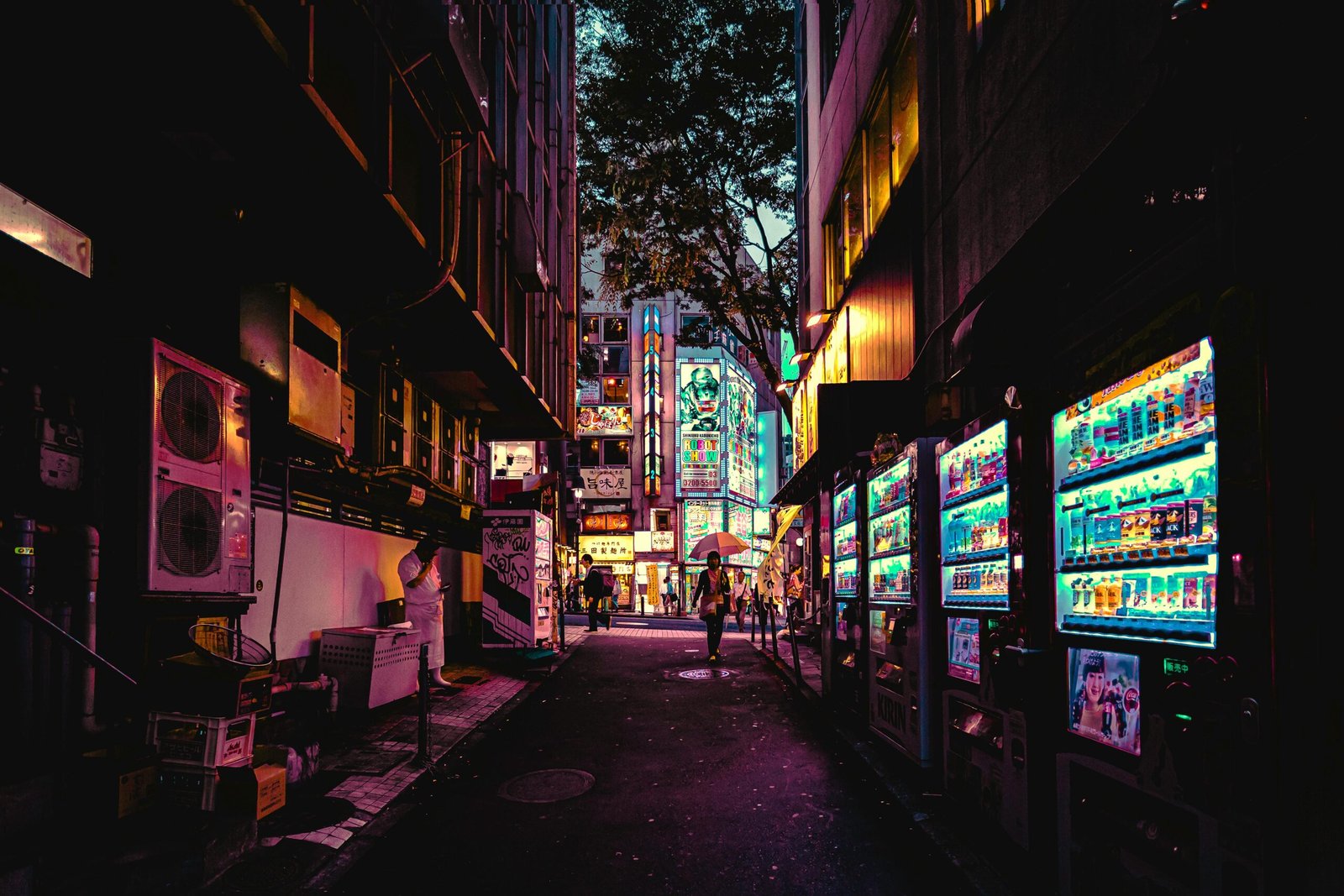
The landscape of automated retail is undergoing a profound transformation as operators look beyond traditional snacks to high-value, non-perishable goods. Many forward-thinking entrepreneurs are now exploring how to invest in Hot Wheels vending machines to capture a dedicated collector market while eliminating the logistical headaches of food spoilage. This shift represents more than just a change in inventory; it is a fundamental pivot in the unit economics of the vending industry. By transitioning from low-margin perishables to sought-after collectibles, the industry is proving that convenience can be synonymous with hobbyist passion rather than just quick sustenance.
The End of the Perishable Era
For decades, the vending industry was defined by the “big three”: soda, snacks, and coffee. While these items offer consistent demand, they come with significant operational burdens. Perishable goods require strict climate control, frequent restocking to ensure freshness, and the constant risk of “stale dates” leading to inventory loss. When a granola bar expires, it is a total loss for the operator.
Furthermore, the margins on food and beverage have been squeezed by rising wholesale costs and the physical limitations of the machines. A standard soda machine can only hold a certain amount of weight and volume, and the price point is often capped by consumer expectations of what a “cheap” snack should cost.
In contrast, collectible vending introduces a “hard goods” model. A die-cast car does not expire, does not require refrigeration, and does not lose value if it sits on a spiral for an extra week. In many cases, the longer a specific collectible remains in the machine, the more its perceived value might grow among local enthusiasts who are hunting for specific models.
The Power of the Die-Cast Giant: Hot Wheels
To understand why collectibles are the primary disruptor in this space, one must look at the sheer scale of the Hot Wheels brand. Since 1968, Mattel has produced over 16 billion cars. To put that into perspective, that is more than the total number of real automobiles produced by the “Big Three” Detroit automakers combined.
Hot Wheels are not just toys; they are a global currency for collectors. With a massive built-in audience ranging from three-year-old children to seventy-year-old “super-collectors,” the demand is universal. The “treasure hunt” aspect of Hot Wheels collecting—where rare variants are mixed in with standard releases—creates a “gamified” retail experience. When this experience is placed in an automated kiosk, it turns a simple transaction into an event.
Why Non-Expiring Inventory Is a Game-Changer
The shift to non-expiring inventory like die-cast cars fundamentally alters the labor costs associated with vending. Traditional routes require operators to visit machines weekly or bi-weekly to swap out expiring snacks and rotating sodas. With collectibles, the “dwell time” of the product is no longer a liability.
- Reduced Service Frequency: Operators can manage larger territories because the urgency to service a machine before food spoils is removed. This allows for a leaner workforce and lower fuel costs.
- Higher Price Elasticity: While consumers might balk at a four-dollar candy bar, collectors are often willing to pay a premium for a specific car they haven’t found in big-box retail stores. Automated kiosks can offer “Vending Machine Exclusives” or curated selections that justify a higher price point than standard retail.
- Cleanliness and Maintenance: Food vending machines are prone to spills, crumbs, and pests. Collectible machines remain clean, requiring only basic dusting and glass cleaning, which extends the lifespan of the hardware itself.
Targeting the “New” Vending Demographic
The target audience for automated retail is shifting. While traditional vending relies on “impulse hunger” in breakrooms or waiting rooms, collectible vending targets “destination shoppers” and “enthusiast traffic.”
Retail industry analysts have noted that placing these machines in high-traffic areas like shopping malls, movie theaters, and even automotive repair shops creates a synergy between the environment and the product. A parent waiting for their car to be serviced is far more likely to buy a three-follar die-cast car for their child than a bag of salty chips.
For toy industry enthusiasts, the vending machine represents a “pure” form of collecting. It removes the clutter of messy toy aisles and focuses on the thrill of the drop. The mechanical nature of a vending machine—seeing the item, hearing the motor turn, and feeling the weight of the car as it hits the hopper—adds a tactile satisfaction that e-commerce cannot replicate.
Diversification for Veteran Operators
For the veteran vending operator, diversification is about risk management. The “perishable” model is highly sensitive to supply chain disruptions and inflation in the food sector. By dedicating a portion of their route to collectibles, operators can stabilize their cash flow.
Die-cast cars are incredibly space-efficient. A standard glass-front machine that might hold 300 bags of chips can be configured to hold hundreds of individually carded Hot Wheels. This high “density of value” means more revenue per square foot of floor space. Additionally, the secondary market for these toys ensures that even older stock remains liquid. If a certain line of cars isn’t moving in one location, they can be moved to another or even sold in bulk to collectors online, something that is impossible with a box of expired crackers.
The Technological Edge
Modern collectible vending machines are equipped with telemetric systems that allow operators to see exactly which models are selling in real-time. This data-driven approach allows for “precision restocking.” If the data shows that “Muscle Cars” are selling out in a suburban mall but “Fantasy Cars” are languishing, the operator can adjust the mix for that specific demographic.
Touchscreen interfaces also allow for a richer storytelling experience. A machine can display videos of the cars in action or provide information about the history of a specific casting, further engaging the customer and driving sales.
The Future of Automated Hobby Shops
We are witnessing the birth of the “Micro-Hobby Shop.” As traditional brick-and-mortar toy stores face challenges, the automated kiosk provides a low-overhead way to keep hobby products in front of the public. Hot Wheels are the vanguard, but the model is easily applicable to other collectibles like trading cards, designer vinyl figures, and brick building sets.
The disruption of automated retail is not just about what is being sold, but how the consumer perceives the machine. It is no longer just a box that solves a temporary hunger pang; it is a portal to a hobby, a source of joy for a child, and a high-margin, low-maintenance asset for the operator.
Conclusion
The transition from “candy and sodas” to “collectibles and cars” is a logical evolution in a world where labor costs are rising and consumer attention is fragmented. By leveraging the massive cultural footprint of brands like Hot Wheels and the logistical advantages of non-perishable inventory, automated retail is carving out a new, highly profitable niche. For analysts, operators, and enthusiasts alike, the message is clear: the future of vending is durable, collectible, and moving fast.
