


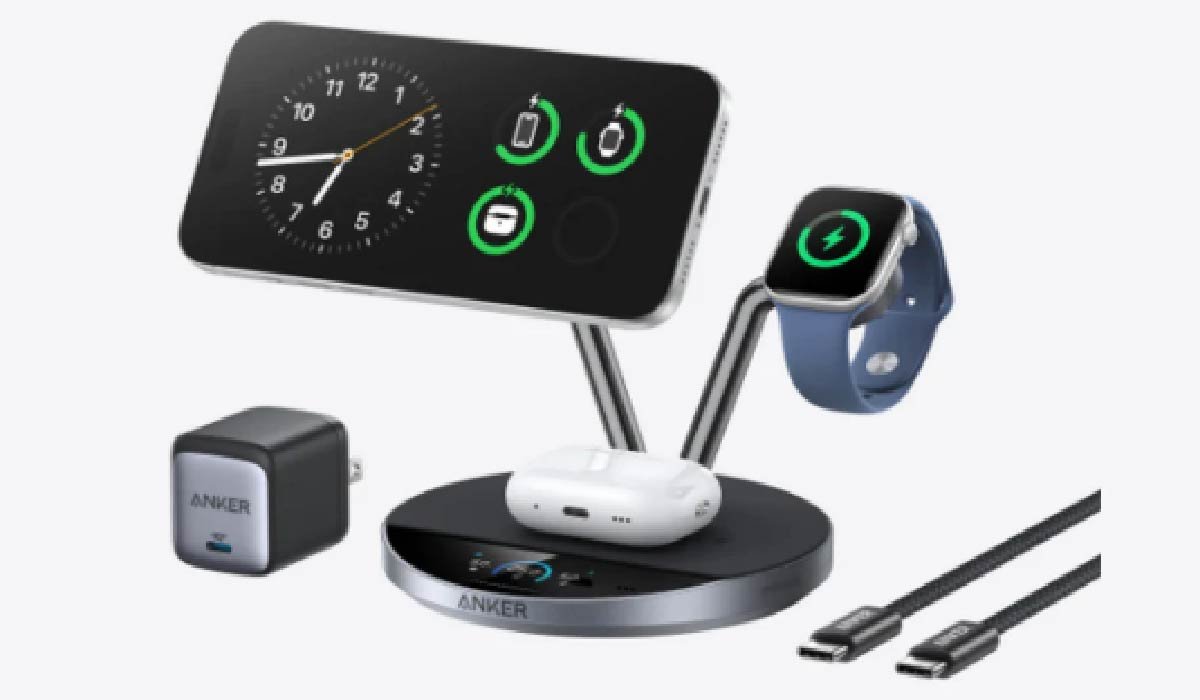
Wireless charging has evolved from a premium convenience into a daily necessity. In 2026, both iPhone and Android devices support advanced wireless charging standards, making cable-free power more efficient and practical than ever. Whether you want a clean workspace, a minimal bedside setup, or a fast and reliable power boost during work hours, choosing the right charger plays a critical role in performance and battery health.
This detailed guide explains how wireless charging works, what features matter most, and how to choose a solution that remains reliable for years.
Why Wireless Charging Is Growing Rapidly
Modern smartphones are designed for convenience. Removing cables from your daily routine reduces wear on charging ports and keeps your desk organized. With more manufacturers standardizing Qi wireless charging technology, compatibility between devices has improved significantly.
Consumers today are actively searching for the best wireless charger because:
- They want faster wireless charging speeds
- They prefer clutter-free environments
- They need cross-device compatibility
- They want safer charging solutions
Wireless charging is no longer just about convenience — it is about improving your overall tech experience.
How Wireless Charging Works
Wireless charging uses electromagnetic induction. Inside a wireless charger, a copper coil generates a magnetic field. When you place a compatible phone on the surface, the receiver coil inside the device converts that magnetic energy into electrical power.
The system includes:
- Transmitter coil (inside charger)
- Receiver coil (inside phone)
- Power controller
- Heat regulation components
Efficiency depends on coil alignment, charging wattage, and thermal management. Well-designed chargers ensure stable output and reduced energy loss.
Key Features to Consider Before Buying
Selecting the right charger requires attention to technical details. Here are the most important factors:
1. Charging Speed (Wattage)
Different devices support different wireless charging speeds:
- 7.5W for many older iPhones
- 10W for standard Android charging
- 15W for fast wireless charging
- Enhanced magnetic systems for better efficiency
Always choose a charger that supports your device’s maximum wireless charging capacity.
2. Universal Compatibility
A high-quality wireless charger should work seamlessly with both iPhone and Android devices. Look for Qi certification and optimized output support for different operating systems.
Future-proof compatibility ensures your charger remains useful even if you switch devices.
3. Safety and Temperature Control
Wireless charging naturally produces more heat than wired charging. Premium chargers include:
- Temperature monitoring
- Over-voltage protection
- Surge protection
- Foreign object detection
These features protect your battery from long-term damage and prevent overheating.
4. Design: Pad or Stand?
Charging Pad
- Compact and minimal
- Easy to carry while traveling
- Ideal for nightstands
Charging Stand
- Allows vertical phone placement
- Better for video calls and notifications
- Improved airflow in some models
Your daily routine should determine which design works best for you.
Wireless Charging vs Wired Charging
While wired charging can deliver higher wattages, wireless charging has narrowed the performance gap significantly in 2026.
Advantages of wireless charging:
- Reduced cable clutter
- Less strain on charging ports
- Quick and effortless placement
- Cleaner workspace aesthetics
For desk setups and overnight charging, a reliable wireless charger is often the more convenient option.
Multi-Device Charging Stations
Today’s users often carry multiple devices such as:
- Smartphone
- Smartwatch
- Wireless earbuds
3-in-1 wireless charging stations can power all devices simultaneously. These systems intelligently distribute power without compromising performance.
If you prefer an organized setup, multi-device solutions are highly practical.
Magnetic Alignment Technology
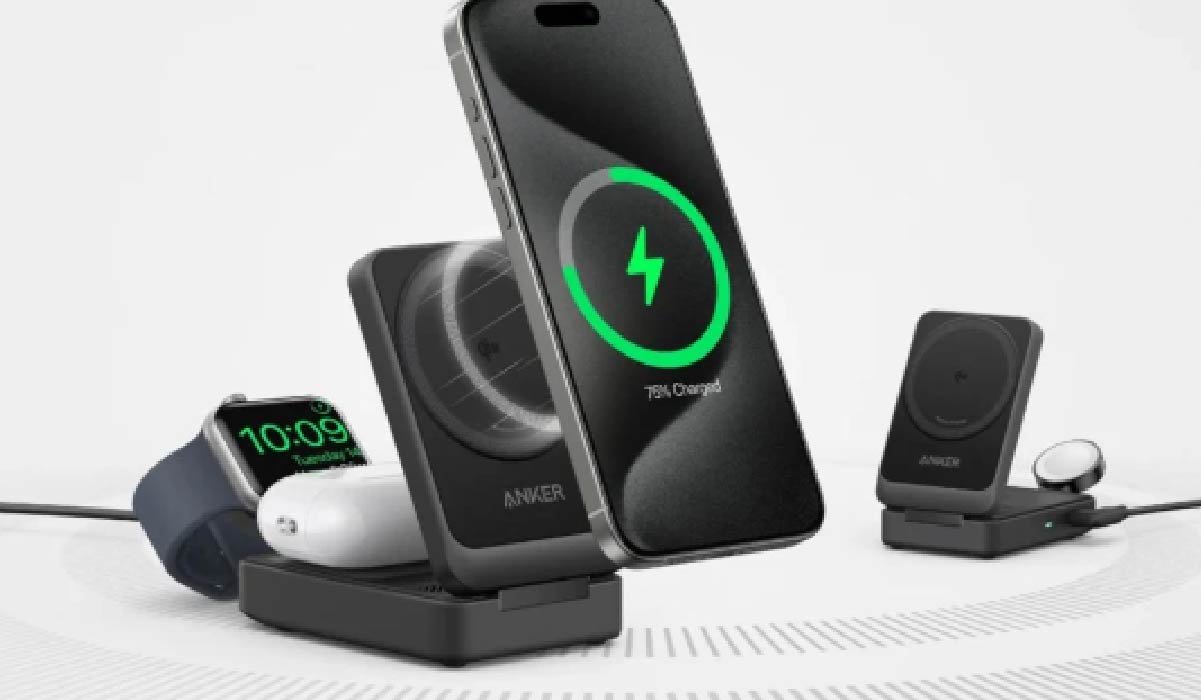
Magnetic wireless systems improve alignment between charging coils. Proper alignment increases energy efficiency and reduces heat production.
Benefits include:
- Faster consistent charging
- Stable phone positioning
- Lower energy loss
- Improved safety
Magnetic systems are especially useful for work desks where stable device placement matters.
Travel-Friendly Options
Portable chargers are ideal for professionals and frequent travelers. Compact, foldable stands and lightweight pads easily fit into laptop bags.
When selecting a travel solution, consider:
- Slim design
- Durable build
- Universal voltage compatibility
- Reliable wattage support
Portability should not compromise performance.
Protecting Battery Health
Battery lifespan depends heavily on charging stability and heat management. Quality chargers regulate voltage and automatically stop delivering high current once your battery approaches full capacity.
To maintain long-term battery health:
- Avoid thick cases during charging
- Keep the charger on flat, ventilated surfaces
- Use certified power adapters
- Avoid extremely cheap, uncertified products
A well-engineered type of wireless charger can significantly reduce stress on lithium-ion batteries.
Why Build Quality Matters
Low-cost chargers may use inferior internal components. Weak coils and unstable power output can cause inconsistent charging or overheating.
Investing in a durable charger ensures:
- Stable performance
- Reliable safety protection
- Long-term durability
- Cross-device compatibility
If you are planning to shop wireless chargers, prioritize engineering quality and safety certifications rather than price alone.
Future of Wireless Charging in 2026 and Beyond
Wireless charging technology continues to advance. Some of the latest developments include:
- Higher wattage wireless charging standards
- Improved thermal management systems
- Adaptive power distribution
- Integration into desks and furniture
As ecosystems expand, wireless charging will likely become even more seamless and embedded into daily life.
Final Thoughts
Choosing the best wireless charger for iPhone and Android in 2026 requires understanding charging speed, compatibility, safety features, and long-term durability. Wireless technology has matured to the point where it offers dependable performance for everyday use.
Focus on certified safety features, proper wattage support, and solid build quality. A thoughtfully selected charger will provide consistent power, protect your battery health, and maintain a clean, organized setup.
By evaluating your charging habits and device ecosystem carefully, you can select a future-ready wireless charging solution that delivers reliability, safety, and efficiency for years to come.
