


What Is Acryldach?
Acryldach is a modern roofing solution derived from the fusion of two key concepts: “Acryl,” representing acrylic materials, and “Dach,” the German word for roof. This specialized roofing system is built using polymethyl methacrylate (PMMA), a clear, strong, and lightweight plastic material known for its excellent optical clarity and resistance to environmental stress. As architectural trends shift toward lightweight construction, energy efficiency, and sustainability, acryldach emerges as a high-performance alternative to traditional roofing materials like clay tiles, metal sheets, or asphalt shingles.
Unlike glass, which can be brittle, or polycarbonate, which may yellow over time, acrylic-based roofing offers a reliable balance between clarity, strength, and long-term weather resilience. Its flexibility in form, color, and function has made acryldach a preferred choice for both residential and commercial applications ranging from sunrooms and patios to greenhouses, carports, and skylights.
Key Features of Acryldach Roofing
Acryldach offers several distinct advantages that position it as a superior roofing solution in the modern construction industry. One of its most notable features is its high light transmission. Acryldach panels can transmit up to 92% of visible light, making them ideal for spaces that require natural lighting, such as greenhouses, patios, and sunrooms. Alongside this clarity, the material is also UV resistant, ensuring long-term protection against yellowing or degradation from sun exposure.
Shatter resistance is another crucial benefit, especially in safety-sensitive environments; acryldach doesn’t break into dangerous shards like glass. Furthermore, its lightweight construction allows for easier handling, transportation, and installation, reducing labor costs and load requirements on structural supports. Thermal and acoustic insulation properties also make acryldach suitable for creating comfortable interior environments. The roofing material’s design flexibility enables customization in shape, thickness, and finish, while its eco-friendliness—thanks to its recyclability and low VOC emissions—aligns with green building standards.
Types of Acryldach Roofing Systems
There are several forms of acryldach systems available, each tailored to specific use cases and aesthetic preferences. Solid acrylic sheets are popular for clear roofing applications where maximum light transmission is required. Corrugated acrylic panels, which feature ridged designs, add strength and water-shedding capabilities, making them ideal for sloped or semi-vertical surfaces like carports and awnings. Multi-wall acrylic sheets incorporate hollow chambers that trap air, providing additional insulation and impact resistance.
These are commonly used in greenhouses and industrial skylights. Liquid-applied acryldach systems function as seamless waterproof coatings, suitable for flat roofs or retrofitting old surfaces. Tinted, frosted, and reflective finishes allow further customization for light control, privacy, and temperature regulation. Each type offers unique advantages, and selecting the right one depends on the climate, building design, and intended functionality.
Material Composition and Technology Behind Acryldach
The science behind acryldach lies in its material composition and manufacturing technology. The primary material, PMMA, is a thermoplastic resin that offers superior clarity, UV resistance, and dimensional stability. To enhance performance, manufacturers often embed UV inhibitors, anti-fungal agents, and thermal stabilizers directly into the resin rather than applying them as surface coatings. This ensures longer-lasting protection and structural integrity. Advanced manufacturing methods such as extrusion, co-extrusion, and casting are used to create sheets of various thicknesses, textures, and optical properties.
Some panels feature nanotechnology-enhanced coatings that offer self-cleaning surfaces or anti-fog behavior. These innovations not only improve the performance of the roofing but also extend its functional life while reducing maintenance requirements. High-grade acryldach products often come with certification for weatherability, fire resistance, and optical performance, giving users confidence in their durability and suitability for harsh environments.
Comparing Acryldach with Other Roofing Materials
When evaluating acryldach against other popular roofing materials, several distinctions emerge. Compared to glass, acryldach is about 50% lighter and more impact-resistant, making it easier to handle and safer to install. While glass offers excellent clarity, acryldach matches its transparency while outperforming it in resistance to UV degradation and shatter impact. In contrast to polycarbonate, acryldach has better optical clarity and gloss retention but is slightly less impact-resistant. Polycarbonate may be better suited for environments exposed to high-force impacts, such as hailstorms or sports arenas.
Metal roofing, although durable and long-lasting, lacks light transmission and can be prone to corrosion if not treated properly. Asphalt shingles, while common and inexpensive, have a shorter lifespan and offer limited aesthetic or energy-saving benefits. Overall, acryldach strikes a balance between form and function, offering a long-term, low-maintenance, and visually appealing solution that serves modern architectural and environmental goals.
Advantages and Use Cases of Acryldach Roofing
Acryldach has a wide range of applications that extend far beyond simple roof coverings. In residential settings, it is widely used for pergolas, patios, sunrooms, and balconies, offering homeowners a way to enjoy natural light without being exposed to harsh elements. Commercial buildings such as malls, office complexes, and event spaces benefit from the daylighting advantages of acryldach in atriums and skylights.
Agricultural users appreciate the material’s light transmission and UV control in greenhouses and nurseries. Industrial facilities use acryldach in skylights to cut energy costs by reducing the need for artificial lighting. In urban planning and public infrastructure, it serves well in walkways, bus stops, and sports pavilions. Emergency shelters and modular buildings also rely on acryldach due to its lightweight, easy-to-install nature. Its versatility across diverse environments underscores its value as a multi-functional building material.
More From Info: GoldZeus: The Powerful New Era Of Digital Wealth In 2026
Performance in Extreme Conditions
One of the major strengths of acryldach is its ability to perform under a variety of extreme environmental conditions. In high-temperature areas, its heat-reflective properties reduce solar heat gain, making indoor spaces cooler and lowering reliance on air conditioning. In cold climates, multi-wall versions of acryldach provide effective insulation to minimize heat loss. The material remains dimensionally stable across a wide range of temperatures, and its elastic memory allows it to withstand expansion and contraction without cracking.
The embedded UV blockers help prevent yellowing and brittleness, even with long-term sun exposure. Additionally, its moisture resistance and anti-fungal additives make it suitable for high-humidity environments, while its resistance to acid rain and air pollution makes it viable in urban and industrial areas. These features ensure that acryldach continues to perform reliably and maintain its appearance over decades of use.
Installation Process for Acryldach Roofing
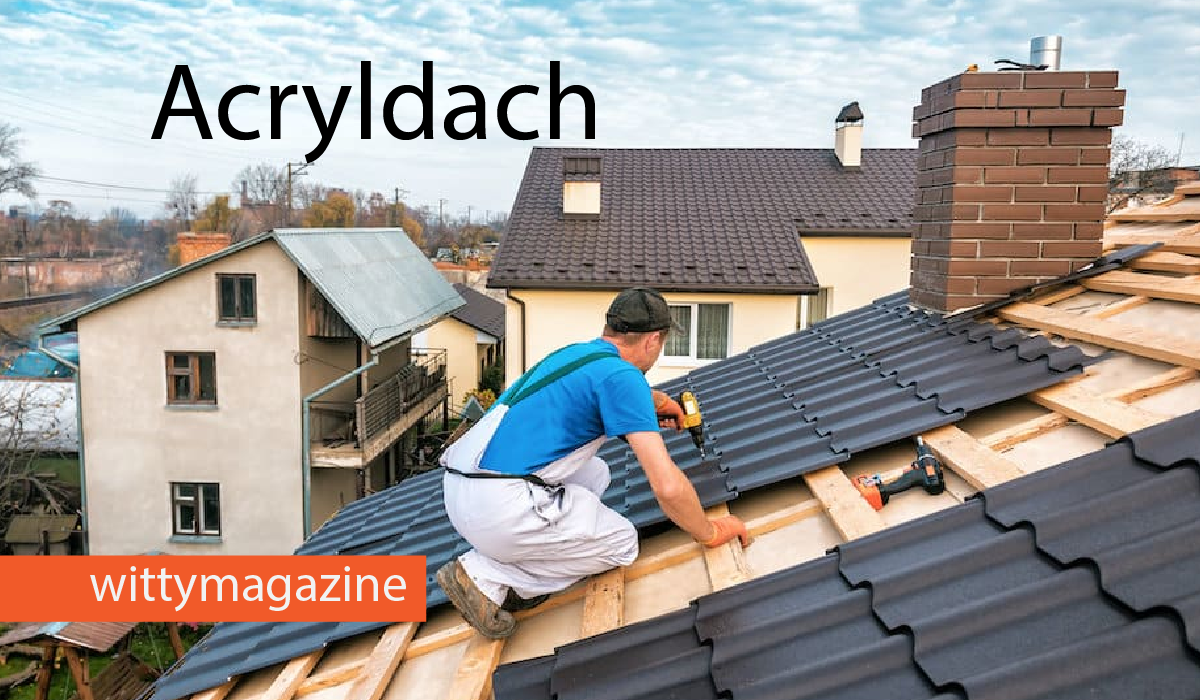
Proper installation is key to maximizing the lifespan and effectiveness of acryldach roofing. The process begins with a comprehensive assessment of the site, including measurements, slope analysis, and load calculations. The supporting structure—typically made of metal or treated wood—must be level, stable, and capable of accommodating the thermal expansion of the acrylic sheets. Sheets are cut using fine-tooth blades and pre-drilled with oversized holes to allow for thermal movement.
Fastening is done using corrosion-resistant screws and washers with rubber gaskets to form watertight seals. Panels should be installed with appropriate overlap and sealed with UV-stable silicone to prevent leaks. For liquid-applied systems, the surface must be thoroughly cleaned, primed, and cured between multiple coats. While small projects like carports or pergolas can be tackled by experienced DIYers, large-scale or load-bearing installations should always be handled by professionals familiar with acryldach-specific techniques to ensure structural safety and material longevity.
Maintenance and Longevity of Acryldach Roofing
Acryldach is renowned for being low maintenance, but regular upkeep is still recommended to preserve its clarity and performance. Cleaning should be done with mild soap and water using a soft cloth or sponge to avoid scratching the surface. Abrasive cleaners, ammonia-based products, and harsh solvents should be strictly avoided as they can damage the finish.
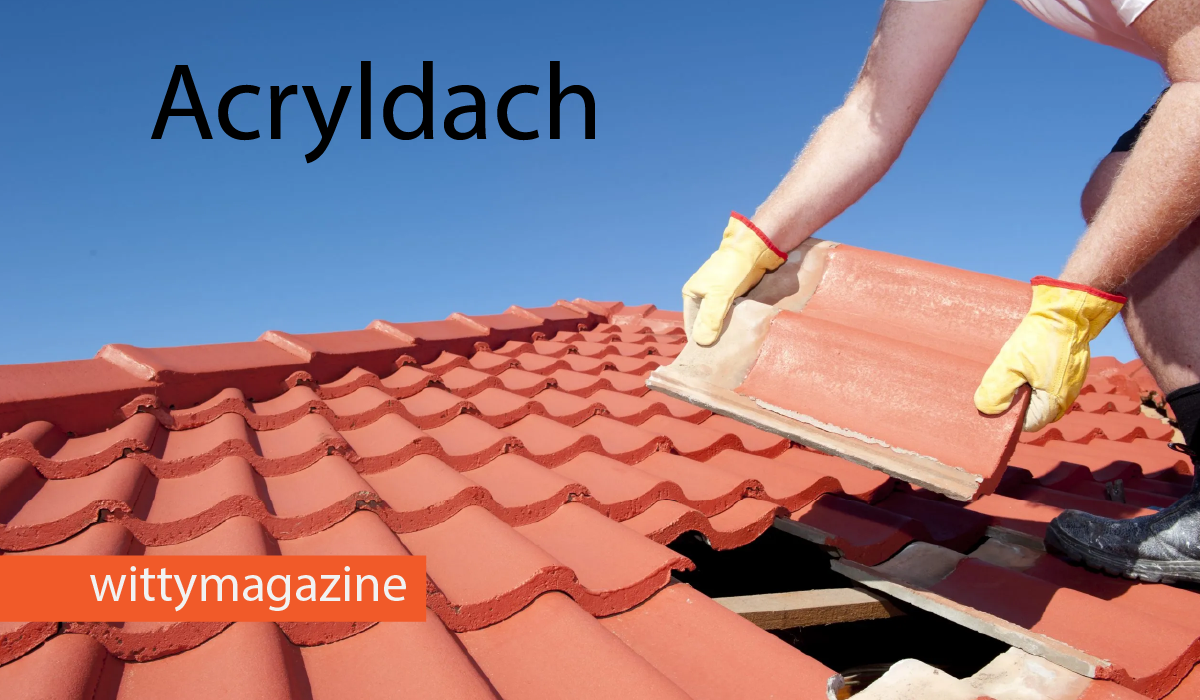
Visual inspections should be carried out seasonally to check for debris accumulation, cracks, or loose fasteners. Any damaged sealant or discolored areas should be addressed promptly to prevent moisture infiltration. For coated acryldach systems, recoating every 7–10 years may be necessary depending on UV exposure and environmental conditions. With proper installation and maintenance, acryldach roofs can last 20–30 years or more, offering long-term value and consistent performance over time.
Cost Considerations of Acryldach in 2025
The cost of installing an acryldach roof in 2025 can vary depending on several factors including the type of panel, thickness, finish, and complexity of installation. Basic solid sheets may range from $15 to $40 per square meter, while multi-wall or specialty coated panels can cost upwards of $60–$100 per square meter. Additional costs include framing, sealants, fasteners, labor, and potential customization for color or texture.
While the initial investment may be higher than asphalt or metal roofing, the long-term savings from reduced maintenance, energy efficiency, and increased property value make acryldach cost-effective. Return on investment is especially notable in energy-intensive buildings that benefit from daylighting and reduced cooling loads. It’s advisable to obtain multiple quotes and ensure that materials are sourced from certified manufacturers with warranties to guarantee performance and safety.
Conclusion
In conclusion, acryldach represents the future of roofing by combining aesthetics, performance, and sustainability in a single innovative material. Its clarity rivals glass, yet it offers superior durability and easier installation. The material’s flexibility, UV stability, and low maintenance needs make it ideal for modern homes, greenhouses, industrial skylights, and public infrastructure. With a growing emphasis on eco-friendly building practices and energy efficiency, acryldach’s recyclable nature and thermal properties provide significant advantages.
Whether you’re a homeowner seeking to upgrade your patio or a developer designing large-scale commercial buildings, acryldach delivers a smart, stylish, and long-lasting solution that meets the demands of contemporary architecture.
FAQs
1. What is Acryldach made from?
Acryldach is made from polymethyl methacrylate (PMMA), a type of durable acrylic plastic known for its high clarity, weather resistance, and lightweight properties. It’s engineered to perform better than glass in many roofing applications by resisting UV rays, cracking, and discoloration over time.
2. How long does Acryldach roofing last?
With proper installation and maintenance, Acryldach roofing can last 20 to 30 years or more. High-quality panels with UV protection and embedded additives maintain their strength, clarity, and flexibility for decades, making them a smart long-term investment.
3. Can Acryldach be used in hot or cold climates?
Yes, Acryldach performs well in both hot and cold climates. It reflects solar heat in warm regions to reduce cooling costs, while multi-wall panels offer thermal insulation in colder areas. Its ability to expand and contract without cracking makes it reliable across extreme temperature swings.
4. Is Acryldach roofing better than polycarbonate?
Acryldach offers superior clarity, gloss retention, and UV stability compared to polycarbonate, making it ideal for applications where aesthetics and light quality matter. However, polycarbonate is more impact-resistant, so it’s better suited for environments where high physical force (like hailstorms) is a concern.
5. Can I install Acryldach over an existing roof?
Yes, Acryldach panels or coatings can be installed over existing roofs, especially in retrofit or renovation projects. It’s a great way to add insulation, waterproofing, and natural light without needing to fully remove the current roofing system—saving both time and cost.
