


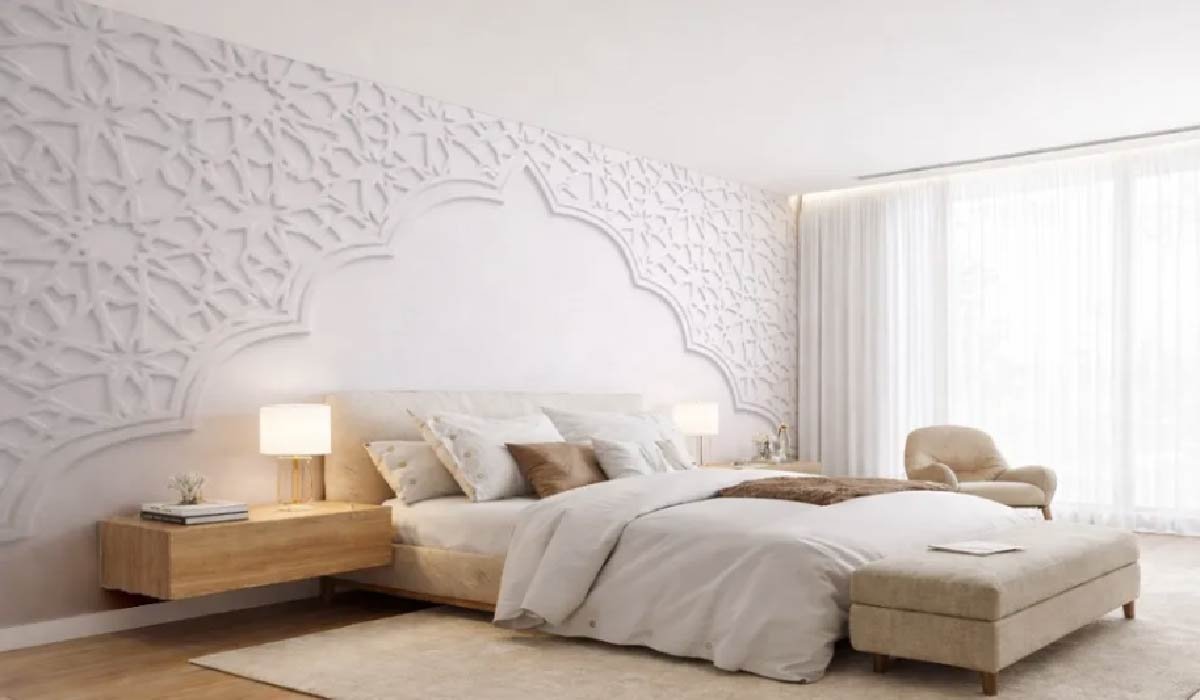
Walls shape the mood of a space long before furniture or décor completes the picture, a principle that holds true even for modern rental solutions in Manatee County. A flat coat of paint may feel safe, but it rarely creates a lasting impression. Texture, on the other hand, introduces movement, depth, and personality—transforming plain surfaces into visual statements.
One of the most effective ways to elevate interiors is through wall texture paint, which adds subtle or bold dimension depending on the technique. Whether applied lightly to create gentle shadows or layered for a dramatic effect, textured paint can redefine a room, making it feel dynamic and thoughtfully designed.
Below are carefully curated wall texture paint ideas that bring dimension and character while maintaining a polished, design-forward aesthetic.
1. Subtle Sand Texture for a Natural Finish
A sand-textured wall offers a soft, grainy appearance that mimics natural surfaces like stone or plaster. This technique works especially well in living rooms, hallways, or spaces where understated elegance is preferred.
The appeal lies in its restraint. Light catches the tiny particles within the paint, creating gentle shadows that shift throughout the day. Neutral tones—beige, taupe, or muted greys—enhance this effect without overwhelming the space.
This finish pairs beautifully with wooden furniture and organic fabrics, making it ideal for interiors inspired by natural elements.
2. Knockdown Texture for Contemporary Spaces
Knockdown texture is known for its irregular, flattened patterns that resemble stucco. It strikes a balance between rustic and modern, making it versatile across different interior styles.
Applied using a trowel or spray method, the paint is “knocked down” before it fully dries, creating a layered effect with soft edges. The result is a wall that feels dynamic without appearing chaotic.
This technique works particularly well in large spaces where plain walls might feel empty. When paired with soft lighting, the texture adds depth without drawing too much attention.
3. Venetian Plaster for a Luxurious Appeal
For those seeking a refined and timeless look, Venetian plaster delivers unmatched elegance. This technique involves layering thin coats of plaster and polishing them to achieve a smooth, marble-like finish.
The surface reflects light in a subtle, sophisticated manner, giving walls a sense of depth that feels almost luminous. Using wall texture paint techniques here can enhance the three-dimensional effect, creating a feature wall that becomes the centerpiece of a room.
Soft earth tones and warm neutrals enhance the richness of this finish, though darker shades can create a dramatic, high-end effect.
4. Brushed Pearl Finish for a Soft Glow
A brushed pearl texture introduces a delicate shimmer that changes with lighting conditions. Unlike high-gloss finishes, it remains tasteful and understated.
The application involves sweeping a brush in consistent patterns over a pearlescent base, creating a layered, luminous surface. This technique is particularly effective in bedrooms or accent walls where a calm, elegant atmosphere is desired.
Colors such as champagne, silver-grey, or soft blush amplify the reflective quality without appearing overly decorative.
5. Rag Rolling for Artistic Variation
Rag rolling is a classic decorative technique that produces a soft, cloud-like texture. By rolling a cloth over wet paint, layers blend organically, resulting in a unique pattern each time.
This method allows for creative freedom. Two-tone color combinations—such as cream over beige or grey over white—add dimension while maintaining harmony.
Rag rolling suits spaces that benefit from a slightly artistic touch, such as reading corners, lounges, or transitional areas within a home.
6. Metallic Textures for a Bold Statement
Metallic textured paints bring a sense of drama and modern sophistication. Infused with reflective particles, they create a striking interplay between light and shadow.
Gold, bronze, and steel tones are commonly used to craft feature walls that stand out without relying on additional décor. When applied with texture tools, the finish becomes multidimensional, enhancing its visual impact.
Used sparingly, metallic textures can elevate a space, making it feel curated and distinctive.
7. Concrete Effect for Industrial Charm
The concrete texture has gained popularity for its raw, industrial appeal. It mimics the look of unfinished cement while maintaining the practicality of painted surfaces.
This style works well in contemporary interiors, especially when combined with minimalist furniture and clean lines. Shades of grey dominate this aesthetic, though subtle undertones—such as blue or brown—can soften the overall look.
Despite its rugged appearance, a well-executed concrete texture feels intentional and refined rather than harsh.
8. Sponging Technique for Layered Depth
Sponging involves dabbing paint onto the wall using a sponge to create a textured, layered effect. The outcome depends on color selection and application technique, making it highly adaptable.
Light-on-dark combinations add drama, while similar tones produce a softer, more blended appearance. This technique is particularly useful for adding character to smaller spaces without overwhelming them.
When executed carefully, sponging creates depth that feels organic rather than artificial.
9. Strié Finish for Subtle Elegance
Strié, or dragging, is a technique that creates fine vertical or horizontal lines across the wall. The effect resembles fabric or linen, adding a refined texture that is both subtle and sophisticated.
This finish works best in spaces where elegance is key—dining areas, bedrooms, or formal sitting rooms. Neutral palettes enhance the linear pattern, allowing the texture to remain the focal point.
The beauty of strié lies in its precision. It introduces texture without disrupting the calmness of a space.
10. Textured Geometric Patterns for a Modern Twist
For a more contemporary approach, textured geometric designs combine structure with creativity. Using stencils or tape, patterns are formed and then enhanced with textured paint.
This technique transforms walls into design features, often replacing the need for artwork. From simple lines to complex shapes, the possibilities are extensive.
Monochromatic schemes keep the look sophisticated, while contrasting colors create a bold, statement-driven aesthetic.
Choosing the Right Texture for Your Space
Selecting a wall texture is not just about visual preference; it also depends on the size, lighting, and function of the room.
- Small spaces benefit from subtle textures that add depth without crowding the visual field.
- Large rooms can handle more pronounced finishes that create focal points.
- Natural lighting enhances texture, making it more noticeable throughout the day.
- Artificial lighting can be used strategically to highlight patterns and surfaces.
Equally important is consistency. While mixing textures can be effective, overuse may lead to visual clutter. A balanced approach ensures that each wall contributes to the overall design narrative.
Final Thoughts
Wall texture paint is more than a decorative choice—it is a design tool that shapes how a space feels and functions. From the quiet sophistication of Venetian plaster to the bold impact of metallic finishes, each technique offers a distinct way to add depth and character.
A well-textured wall does not compete for attention; it enhances the environment, providing a backdrop that feels considered and complete. By choosing the right approach and applying it thoughtfully, even the simplest room can gain a sense of dimension that plain paint alone cannot achieve.
