


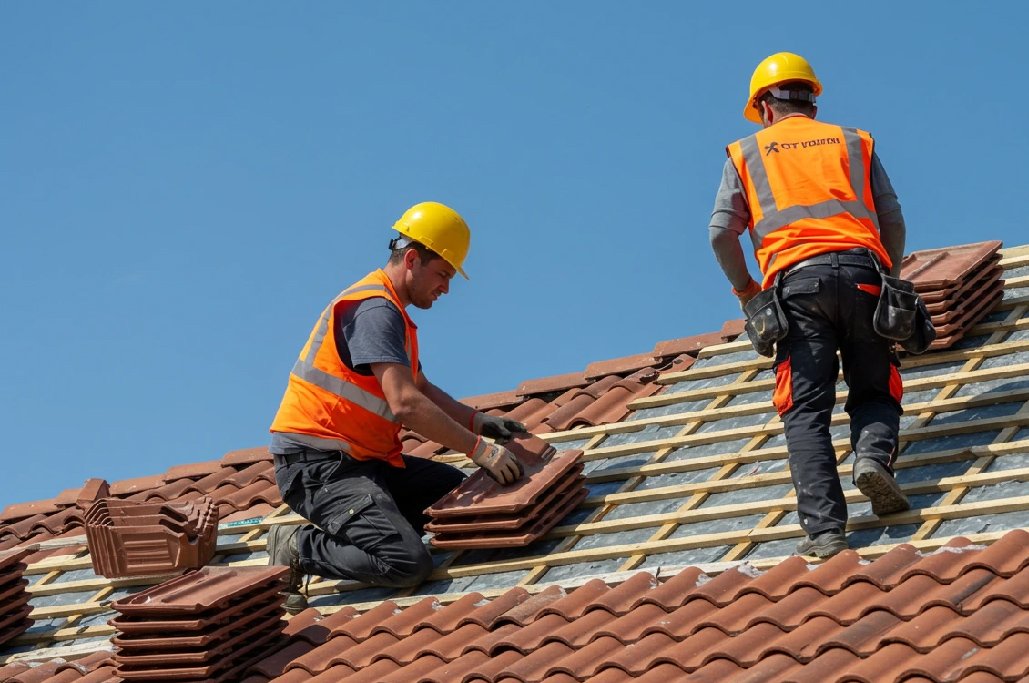
A roof is not merely a cover over a house; it is one of the most essential components of a home, providing protection from the elements, contributing to energy efficiency, and maintaining the overall structural integrity of the property, observes Mabry Management professionals. Over time, weather conditions, natural wear and tear, and material degradation can compromise a roof’s performance, making a professional roof replacement necessary to ensure both safety and longevity.
Understanding the significance of roof replacement requires more than acknowledging its protective function. A roof shields a home from rain, snow, wind, and extreme temperatures, all of which can cause significant structural damage if left unaddressed. Beyond protection, a well-maintained roof also contributes to energy efficiency by regulating the internal temperature of a house, which can reduce heating and cooling costs. Moreover, a modern and aesthetically pleasing roof improves curb appeal, which can be particularly important for homeowners looking to maintain or increase the resale value of their property. Recognizing when a roof needs replacement and planning for it carefully ensures that the investment serves its intended purpose effectively.
Recognizing the Signs That Roof Replacement Is Necessary
Knowing when to replace a roof is not always straightforward, but there are several clear indicators that a roof may have reached the end of its useful life. The most apparent sign is the age of the roof itself. Roofing materials have typical lifespans that vary according to type: asphalt shingles usually last between twenty and thirty years, metal roofs can endure for forty to seventy years, and slate or tile roofs can last a century or more. If a roof has exceeded its expected lifespan, it is often more cost-effective to replace it than to attempt frequent repairs that only offer temporary relief.
Another crucial indicator is water damage. Leaks or water stains on ceilings and walls, visible dripping, or damp spots inside the home suggest that the roof’s protective layers have failed. Ignoring these warning signs can lead to structural damage, mold growth, and compromised insulation, all of which result in higher repair costs over time. Similarly, visible shingle damage—such as curling, cracking, or missing shingles—signals deterioration that can leave the underlying roof deck exposed to moisture. The presence of granules in gutters or downspouts is another sign that asphalt shingles are losing their protective layer and may soon require replacement.
Structural issues like sagging roof decks or uneven surfaces also point to underlying problems that demand immediate attention. Even if leaks or damage are not yet visible inside the home, a compromised roof structure can pose significant safety risks. Additionally, a sudden increase in energy bills may indicate that the roof is no longer providing adequate insulation, allowing heat or cooled air to escape and forcing heating or cooling systems to work harder. Recognizing these signs early allows homeowners to plan a roof replacement before minor issues evolve into serious problems.
Selecting the Right Materials for Roof Replacement
Choosing the proper roofing material is one of the most important decisions when planning a roof replacement, as it directly affects durability, aesthetics, and cost. Asphalt shingles are among the most commonly used materials due to their affordability, versatility, and ease of installation. They are available in a wide range of colors and styles, allowing homeowners to complement the architectural design of their homes while ensuring adequate weather protection. Asphalt shingles typically last between twenty and thirty years, making them a practical choice for most residential properties.
Metal roofing has gained popularity due to its longevity, durability, and energy efficiency. Metal roofs are lightweight, resistant to fire, and reflect solar heat, reducing cooling costs during hot months. They are available in a variety of finishes, including standing seam panels, corrugated sheets, and metal tiles, offering both functional and aesthetic benefits. While metal roofing may have a higher upfront cost compared to asphalt shingles, its durability and minimal maintenance requirements often justify the investment over time.
For homeowners seeking a distinctive appearance and extreme durability, tile or slate roofing is an excellent option. Tile roofs, available in clay or concrete, are highly resistant to fire, rot, and harsh weather conditions. They also provide a unique architectural look that can significantly enhance curb appeal. Slate roofing, one of the most long-lasting materials available, can endure for over a century when installed correctly. While slate and tile are more expensive and require professional installation due to their weight and complexity, their longevity and resistance to environmental stressors make them a valuable long-term investment.
Emerging synthetic roofing materials offer homeowners lightweight, durable alternatives to traditional roofing. Made from rubber, plastic composites, or polymer blends, these materials can mimic the appearance of wood, slate, or tile while providing enhanced weather resistance and ease of installation. Synthetic options are increasingly appealing due to their combination of aesthetic versatility, affordability, and long-term performance.
Planning and Preparing for a Roof Replacement
A successful roof replacement begins with careful planning and preparation. The first step is a thorough inspection and assessment of the existing roof. Hiring a professional roofing contractor to evaluate the roof ensures that any underlying issues, such as deck damage or structural weaknesses, are identified before installation begins. This assessment helps determine whether a full replacement is necessary or if targeted repairs could extend the life of the roof temporarily.
Budget planning is equally critical. Roof replacement costs vary depending on material type, roof size, complexity, labor, and local regulations. Homeowners should consider both the direct costs of materials and installation as well as additional expenses, including permits, inspections, and the disposal of old roofing materials. Preparing a comprehensive budget reduces the risk of unforeseen costs and allows for informed decision-making throughout the project.
Selecting a reputable contractor is essential for a successful roof replacement. Homeowners should verify licenses, insurance coverage, and professional experience before hiring. Obtaining multiple estimates, checking references, and reviewing past projects can provide confidence in a contractor’s ability to deliver quality work. Proper communication with the contractor regarding timelines, materials, and project expectations ensures a smooth and efficient process.
Before work begins, homeowners should prepare the property. Vehicles and outdoor furniture should be relocated, landscaping should be protected, and neighbors may need to be notified of potential noise or debris. A clear and organized workspace not only facilitates the contractor’s work but also minimizes potential damage to the home and surrounding property.
Roof Replacement Process
A roof replacement typically follows a structured sequence of steps designed to ensure durability, safety, and proper installation. The first step is the removal of the old roofing materials. This may include shingles, tiles, underlayment, and any damaged flashing. Removing the old materials exposes the roof deck and allows for inspection and repair of any underlying structural issues.
Next, the roof deck is repaired or replaced as necessary. Any damaged wood, rot, or structural weakness is addressed to provide a solid foundation for the new roof. Following deck preparation, a waterproof underlayment is installed to act as a protective barrier against moisture intrusion. This layer is critical for preventing leaks and extending the life of the roofing material.
The installation of the new roofing material follows, adhering strictly to manufacturer specifications and local building codes. Proper installation is essential to ensure that the roof performs as intended, providing weather resistance, insulation, and longevity. Flashing is applied around chimneys, vents, and roof edges to prevent leaks, while ventilation systems are installed to regulate temperature and prevent moisture buildup within the attic. A final inspection ensures that the roof meets all safety, performance, and aesthetic standards, giving homeowners confidence in the quality of the replacement.
Avoiding Common Roof Replacement Mistakes
Even with professional assistance, homeowners can inadvertently make mistakes that compromise the effectiveness of a roof replacement. One common error is delaying replacement until major damage occurs. Postponing necessary roof work can result in more extensive damage, higher repair costs, and potential safety hazards. Another mistake is prioritizing cost over quality, which may lead to selecting inferior materials or unqualified contractors. While it may save money initially, this choice often results in higher long-term expenses due to maintenance, repairs, or premature failure.
Neglecting proper ventilation during installation is another frequent issue. Without adequate ventilation, moisture can accumulate in the attic, leading to mold growth, wood rot, and decreased energy efficiency. Finally, failing to thoroughly research contractors can result in poor workmanship, liability concerns, and frustration throughout the project. By carefully planning, prioritizing quality, and selecting trusted professionals, homeowners can avoid these pitfalls and ensure a successful roof replacement.
Maintaining Your Roof After Replacement
A roof replacement is a significant investment, and proper maintenance ensures that it continues to perform optimally. Regular inspections, particularly after storms or extreme weather events, can help identify minor issues before they escalate into serious problems. Cleaning gutters, trimming overhanging branches, and addressing minor shingle or tile damage promptly all contribute to the longevity of the roof. Maintaining a clear and dry roof surface prevents water damage and extends the lifespan of roofing materials. Additionally, monitoring attic ventilation and insulation helps preserve energy efficiency and protects the structural integrity of the home.
Benefits of Timely Roof Replacement
Investing in a roof replacement provides numerous advantages beyond the obvious protective function. A new roof enhances the safety of the home by preventing leaks, water damage, and structural deterioration. It also improves energy efficiency, as modern materials and proper insulation reduce heat loss and cooling demands. Additionally, a well-executed roof replacement significantly boosts curb appeal and property value, making it an attractive investment for homeowners considering future resale. Finally, having a reliable, durable roof provides peace of mind, knowing that the home is well-protected against weather and aging materials.
Conclusion
Roof replacement is an essential home improvement project that combines safety, durability, and aesthetic appeal. By recognizing the signs of wear, selecting appropriate materials, planning carefully, and working with qualified professionals, homeowners can ensure that their roof provides long-lasting protection and contributes to overall home value. Proper preparation, execution, and ongoing maintenance maximize the return on investment, safeguard the home, and provide peace of mind for years to come. A thoughtfully planned roof replacement is not simply about addressing damage; it is about enhancing the functionality, appearance, and long-term resilience of the entire home.
