


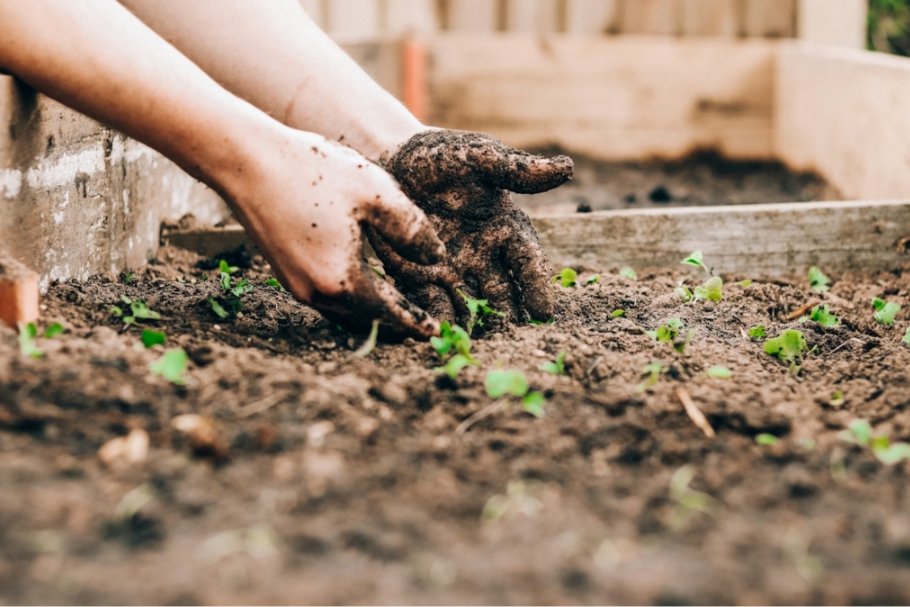
Houston generates more than 8,000 tons of waste daily, and roughly a third of it is organic material that could be composted instead of buried in landfills. As the fourth-largest city in the United States, Houston faces mounting pressure to manage waste sustainably while reducing its environmental footprint. Composting offers a practical intervention: it diverts food scraps and yard waste from methane-producing landfills, enriches depleted urban soils, and supports the city’s climate goals.
But infrastructure alone doesn’t drive behavior change. Media coverage plays a critical role in translating municipal composting programs into household habits. Through local news segments, digital campaigns, and community storytelling, journalists and content creators can make composting feel accessible rather than abstract. When residents understand what happens to their banana peels and coffee grounds after pickup, participation rates climb. The narrative matters as much as the bin.
Why Composting Matters in Dense Urban Environments
Organic waste in landfills decomposes anaerobically, producing methane—a greenhouse gas 25 times more potent than carbon dioxide over a 100-year period. Composting that same material aerobically eliminates most methane emissions while creating a soil amendment that improves water retention and reduces erosion. In cities like Houston, where green space is fragmented and soil quality varies widely, finished compost can rehabilitate community gardens, public parks, and urban farms.
Beyond emissions reduction, composting fosters environmental literacy. Residents who separate food scraps become more conscious of what they throw away, often leading to broader waste reduction efforts. Municipalities that invest in composting infrastructure also signal commitment to sustainability, which can attract environmentally minded businesses and residents.
Houston’s Composting Services and How They Work
Several local services have emerged to make composting convenient for Houston residents. Curbside programs allow households to set out organic waste alongside recycling and trash, eliminating the need for backyard bins or drop-off trips.
For residents without curbside access, drop-off sites provide an alternative. The city’s Neighborhood Depository and Recycling Centers accept yard waste, though food scrap acceptance varies by location. Private haulers fill gaps in coverage, particularly in neighborhoods where municipal service hasn’t expanded. These services typically provide bins, liners, and pickup schedules, making participation straightforward.
Key features of Houston’s composting landscape include:
- Weekly or biweekly curbside collection for subscribers
- Acceptance of fruit and vegetable scraps, coffee grounds, eggshells, and yard trimmings
- Exclusion of meat, dairy, and oils in most residential programs to prevent odor and pest issues
- Finished compost often returned to subscribers or donated to community gardens
As demand grows, service providers are expanding routes and experimenting with collection methods. Some use electric vehicles to reduce emissions, while others partner with local farms to distribute finished compost.
Among the private haulers expanding in this space, Compost Crew, Happy Earth Compost, and Bootstrap Compost are representative of the subscription-based services filling coverage gaps in Houston neighborhoods.
Technological Advances Reshaping Composting
Commercial composting has evolved beyond static windrows turned by tractors. In-vessel systems now process organic waste in enclosed containers where sensors monitor temperature, oxygen, and moisture in real time. These systems can handle food scraps that traditional windrow composting cannot, including meat and dairy, by maintaining thermophilic conditions that kill pathogens and break down fats.
Aerated static pile technology represents another innovation. Perforated pipes embedded in compost piles deliver oxygen without mechanical turning, reducing labor and equipment costs. Aerated systems can cut processing time by 30 to 50 percent compared to traditional methods, making them attractive for urban facilities with limited space.
Emerging technologies like anaerobic digestion complement aerobic composting by capturing methane for energy production before residual solids are composted. Houston’s wastewater treatment plants already use digesters for sewage sludge; expanding this approach to food waste could generate renewable natural gas while diverting organics from landfills.
The Role of Recycling Centers in Houston’s Waste Ecosystem
Houston’s network of recycling centers serves as a critical node in the city’s waste management system. These facilities accept not only bottles and cans but also yard waste, electronics, and household hazardous materials. By co-locating composting drop-off with recycling, centers make it easier for residents to divert multiple waste streams in a single trip.
Local recycling centers contribute to composting efforts by:
- Providing drop-off points for residents without curbside compost service
- Hosting educational workshops on backyard composting and waste reduction
- Partnering with community organizations to distribute finished compost for urban greening projects
The city’s Solid Waste Management Department operates several depository sites, though hours and accepted materials vary. Nonprofit organizations and private companies supplement municipal services, particularly in underserved neighborhoods. Expanding access to these centers remains a priority as Houston works toward its goal of diverting 50 percent of waste from landfills by 2040.
Composting’s Broader Environmental Impact
Food waste represents roughly 30 to 40 percent of the U.S. food supply, according to USDA estimates. When that waste decomposes in landfills, it generates methane and leachate that can contaminate groundwater. Composting intercepts this material, transforming it into a resource rather than a liability.
Finished compost improves soil structure by increasing organic matter content, which enhances water infiltration and reduces runoff. In agricultural settings, compost application can decrease reliance on synthetic fertilizers, lowering the energy and emissions associated with fertilizer production. Urban applications include erosion control on construction sites, soil remediation in contaminated areas, and landscaping for parks and medians.
Composting also supports carbon sequestration. Soil amended with compost stores more carbon than unamended soil, though the magnitude depends on application rates, soil type, and climate. While composting alone won’t solve climate change, it’s a measurable intervention that cities can implement alongside renewable energy and transportation initiatives.
Lessons from Kyle, Texas
Kyle, a rapidly growing suburb south of Austin, has integrated composting into its municipal waste strategy with notable success. The city contracts with a regional composting facility to process organic waste collected through a voluntary curbside program. Participation rates exceed 40 percent in eligible neighborhoods, driven by consistent outreach and education.
Kyle’s approach offers several takeaways for Houston:
- Clear communication: The city provides detailed guides on what can and cannot be composted, reducing contamination rates.
- Community engagement: Quarterly workshops and school programs normalize composting as a civic responsibility.
- Data transparency: Kyle publishes annual reports on waste diversion, allowing residents to see the impact of their participation.
The program also partners with local farms and landscapers to distribute finished compost, creating a closed-loop system that reinforces the value of organic waste. Houston could adopt similar strategies, particularly in neighborhoods with active civic associations and environmental groups.
Building a Composting Culture in Houston
Houston’s composting infrastructure is expanding, but infrastructure alone doesn’t guarantee participation. Cultural shifts require sustained communication, accessible services, and visible results. Media outlets, community organizations, and municipal agencies all play a role in making composting a default rather than an exception.
For residents ready to start, options range from backyard bins to subscription services. Those interested in curbside pickup can explore local providers, while others may prefer drop-off sites or community composting hubs. The key is reducing friction: the easier it is to compost, the more people will do it.
Houston’s path to sustainability depends on collective action. Composting represents one piece of a larger puzzle that includes renewable energy, public transit, and green building standards. By treating organic waste as a resource rather than refuse, the city can reduce emissions, enrich soils, and build a more resilient urban ecosystem. The narrative is already shifting—media coverage ensures it reaches the people who can turn it into practice.
