


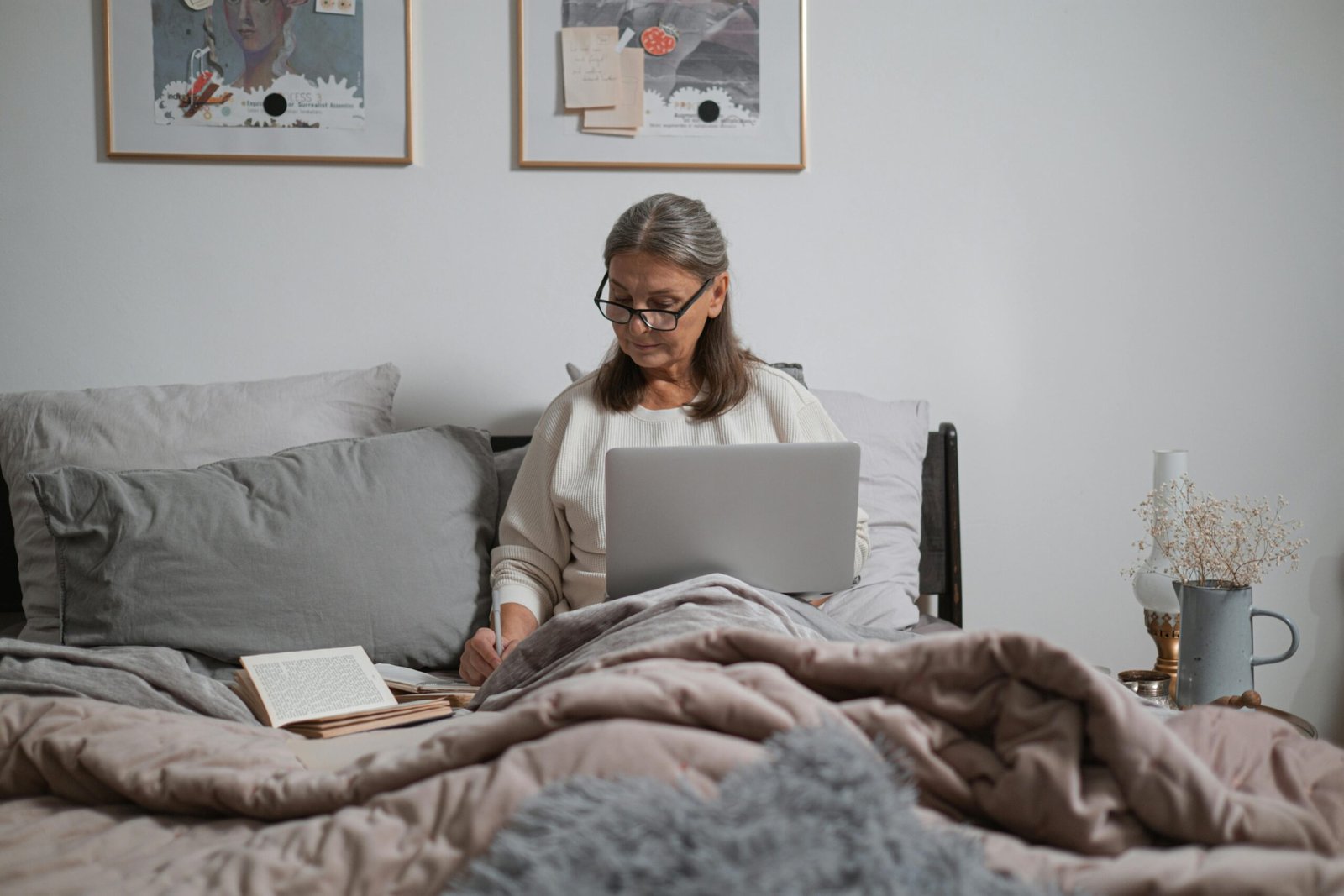
A comfortable and safe bedroom is essential for restful sleep and overall well-being—especially for older adults or individuals with mobility challenges says West Valley property management. The bedroom should be a place where movement feels easy, nighttime routines are manageable, and the risk of accidents is minimized.
The good news is that you don’t need major renovations to improve bedroom accessibility. With a few thoughtful adjustments, you can create a space that supports both better sleep and greater safety.
In this guide, we’ll explore practical bedroom accessibility tips that can make daily routines easier and help prevent injuries.
Why Bedroom Accessibility Matters
The bedroom is one of the most frequently used spaces in the home. It’s where people start and end their day, making it especially important for safety and comfort.
Improving accessibility in the bedroom can:
- Reduce the risk of nighttime falls
- Make getting in and out of bed easier
- Improve sleep quality
- Support independence
Even small changes can have a significant impact on daily life.
Choose the Right Bed Height
Bed height plays a crucial role in accessibility. A bed that is too high or too low can make it difficult to sit down or stand up safely.
Ideal bed height tips
- When sitting on the edge of the bed, feet should rest flat on the floor
- Knees should be level with or slightly lower than hips
- Avoid beds that are too soft or too low
If needed, bed risers or adjustable beds can help achieve a more comfortable height.
Use Bed Rails for Added Support
Bed rails provide stability when getting in and out of bed. They can also help prevent accidental falls during sleep.
Benefits of bed rails include:
- Improved balance when standing up
- Extra support when lying down
- Increased confidence during movement
Many bed rails are easy to install and can be adjusted to suit individual needs.
Improve Bedroom Lighting
Proper lighting is essential for safe movement, especially at night.
Lighting tips for safety
- Install bedside lamps within easy reach
- Use night lights along pathways to the bathroom
- Consider motion-sensor lighting for automatic illumination
- Ensure switches are accessible from the bed
Good lighting reduces the risk of trips and makes nighttime movement easier.
Keep Pathways Clear and Clutter-Free
Clear pathways are essential for preventing falls.
Simple organization tips
- Keep floors free of clutter
- Avoid placing furniture in walking paths
- Secure or remove loose rugs
- Keep cords tucked away
A tidy bedroom creates a safer and more accessible environment.
Use Non-Slip Flooring
Slippery floors can be hazardous, especially when getting out of bed.
Safer flooring options
- Use non-slip rugs with secure backing
- Avoid smooth or polished surfaces
- Add grip pads where needed
These small adjustments can reduce the risk of slipping.
Make Frequently Used Items Easy to Reach
Reaching for items in awkward positions can increase the risk of losing balance.
Accessibility tips
- Keep essentials like glasses, medications, and phones within arm’s reach
- Use bedside organizers or trays
- Store frequently used items at waist height
This reduces the need for unnecessary bending or stretching.
Choose Supportive Furniture
Furniture in the bedroom should support safe and comfortable movement.
What to look for
- Chairs with armrests for easier sitting and standing
- Stable nightstands that don’t wobble
- Rounded furniture edges to reduce injury risk
Avoid overly soft or low furniture that may be difficult to use.
Consider Assistive Devices
Assistive tools can make a significant difference in bedroom accessibility.
Examples include:
- Reacher grabbers for picking up items
- Long-handled shoehorns
- Button hooks for clothing
These tools reduce strain and make daily routines more manageable.
Plan Safe Routes to Other Areas
The bedroom doesn’t exist in isolation—it connects to other parts of the home, such as bathrooms or staircases.
Ensuring safe transitions between spaces is important.
For homes with multiple levels, mobility between floors may require additional support. For a bespoke solution on a non-standard staircase, fitted curved stairlifts are designed and installed to match your specific layout.
Planning for safe movement throughout the home helps reduce risks beyond the bedroom.
Maintain a Comfortable Sleep Environment
Accessibility also includes comfort. A well-designed sleep environment can improve both rest and overall health.
Tips for better sleep
- Use supportive mattresses and pillows
- Keep the room at a comfortable temperature
- Minimize noise and distractions
- Use blackout curtains if needed
A comfortable bedroom encourages better sleep and recovery.
Encourage Independence While Ensuring Safety
The goal of improving bedroom accessibility is not just safety—it’s also about maintaining independence.
Allowing individuals to perform daily tasks comfortably can boost confidence and well-being.
By combining safety features with thoughtful design, you can create a bedroom that supports both independence and peace of mind.
Frequently Asked Questions (FAQs)
What is the most important bedroom accessibility improvement?
Ensuring safe movement—through proper lighting, clear pathways, and supportive furniture—is one of the most important steps.
How can I make getting out of bed easier?
Using bed rails, adjusting bed height, and placing stable furniture nearby can help improve safety and ease.
Are night lights necessary in the bedroom?
Yes. Night lights help illuminate pathways and reduce the risk of falls during nighttime movement.
What type of flooring is safest for bedrooms?
Non-slip flooring or rugs with secure backing are ideal for reducing the risk of slipping.
Can small changes really improve safety?
Yes. Simple adjustments like better lighting and decluttering can significantly reduce fall risks.
When should bedroom accessibility changes be made?
It’s best to make changes early, before mobility challenges become more severe.
Final Thoughts
Creating an accessible bedroom doesn’t require major renovations or expensive upgrades. With a few thoughtful changes—such as improving lighting, adjusting bed height, and organizing the space—you can create a safer and more comfortable environment.
These improvements not only reduce the risk of falls but also support better sleep and greater independence.
By focusing on both safety and comfort, you can transform the bedroom into a space that promotes rest, confidence, and overall well-being.
