


Manufacturing operations across the United States face mounting pressure to reduce warranty claims, extend equipment life, and maintain consistent production schedules. Surface finishing decisions directly impact these operational outcomes, yet many facility managers and procurement teams struggle to match finishing methods with their actual environmental and performance requirements. Component failures from inadequate surface protection create expensive downtime, emergency repairs, and customer dissatisfaction that reverberates through entire supply chains.
The choice between powder coating, anodizing, and plating affects more than just appearance. Each method delivers different levels of corrosion resistance, wear protection, and operational reliability under real-world conditions. Understanding these differences helps industrial decision-makers select finishes that align with their specific operational environments, maintenance capabilities, and long-term cost structures.
Fundamental Differences Between Surface Finishing Methods
Each surface finishing approach operates through distinct chemical and physical processes that determine final performance characteristics. Powder coating creates a protective polymer layer through electrostatic application and thermal curing, forming a continuous barrier that bonds mechanically to the substrate. This process works effectively on various metals and provides consistent coverage across complex geometries without requiring specialized environmental controls during application.
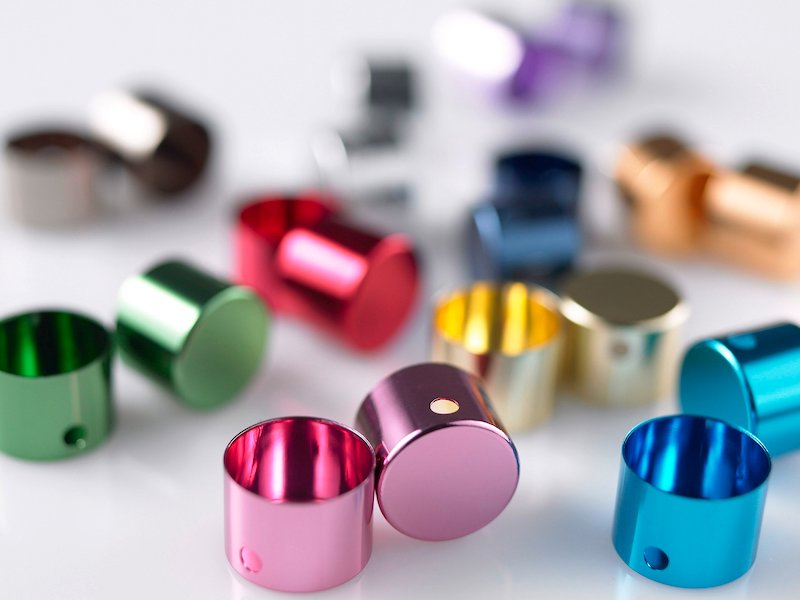
Anodizing transforms the surface metal itself into a protective oxide layer through controlled electrochemical oxidation. The process literally grows the protective surface from the base material, creating an integral coating that cannot separate or peel. However, anodizing applies only to aluminum and specific aluminum alloys, limiting its versatility across mixed-material assemblies.
Plating deposits thin metallic layers onto base materials through electrochemical processes, allowing precise control over coating thickness and properties. The deposited metal can provide enhanced corrosion resistance, electrical conductivity, or decorative appearance depending on the selected plating material and process parameters.
For operations requiring comprehensive finishing solutions across multiple materials and applications, Custom Fabrication Powder Coating Services guide resources help manufacturing teams understand how different finishing methods integrate with their existing production workflows and quality requirements.
Process Complexity and Equipment Requirements
Powder coating requires electrostatic spray equipment, curing ovens, and adequate ventilation but operates without hazardous chemical baths or specialized waste treatment systems. Most facilities can accommodate powder coating operations with standard electrical service and basic environmental controls, making it accessible for smaller operations or companies seeking to bring finishing in-house.
Anodizing demands precise chemical bath management, temperature control, and extensive wastewater treatment systems due to the sulfuric acid and other chemicals involved. The process requires specialized facility design, trained chemical handling personnel, and ongoing environmental compliance monitoring that increases operational complexity significantly.
Plating operations involve multiple chemical bath stages, precious metal inventory management, and sophisticated waste treatment to handle heavy metals and process chemicals. The equipment investment and regulatory compliance requirements often make plating economically viable only for high-volume operations or specialized applications that justify the infrastructure costs.
Corrosion Resistance Performance in Industrial Environments
Industrial facilities expose finished components to varying combinations of moisture, temperature fluctuations, chemical exposure, and mechanical wear that test the limits of surface protection systems. Understanding how each finishing method responds to these conditions helps predict maintenance requirements and component replacement cycles under actual operating conditions.
Powder coating provides excellent barrier protection against moisture and many industrial chemicals, with performance varying significantly based on the specific polymer chemistry selected. Epoxy-based powder coatings excel in chemical resistance but may degrade under prolonged UV exposure, while polyester formulations offer better outdoor durability but reduced chemical resistance. The coating thickness and cure profile also influence long-term performance, with properly applied powder coatings lasting decades in appropriate environments.
Anodized aluminum develops exceptional corrosion resistance because the protective oxide layer integrates with the base material structure. The anodized surface resists most atmospheric corrosion effectively and maintains protection even when scratched or damaged, since the oxide layer extends below the visible surface. However, anodized surfaces can suffer from galvanic corrosion when in direct contact with dissimilar metals, particularly in marine or high-humidity environments.
Chemical Resistance Considerations
Manufacturing environments often expose components to cleaning solvents, lubricants, and process chemicals that can compromise surface finishes over time. Powder coatings demonstrate varying chemical resistance depending on their polymer backbone, with some formulations resisting aggressive solvents while others may soften or swell upon contact.
Anodized aluminum shows excellent resistance to most organic solvents and weak acids but can suffer damage from strong alkaline cleaners commonly used in industrial cleaning applications. The natural aluminum oxide is particularly vulnerable to sodium hydroxide and similar caustic solutions that may be present in parts washing operations.
Electroplated surfaces provide chemical resistance based on the deposited metal properties rather than the substrate material. Nickel plating offers broad chemical resistance, while chrome plating provides exceptional hardness and chemical inertness. However, plated coatings can develop pinhole defects that allow corrosive agents to reach the substrate, potentially causing more severe damage than would occur with unfinished materials.
Temperature Performance and Thermal Cycling
Industrial equipment operates across temperature ranges that stress surface finishes through thermal expansion, oxidation, and polymer degradation mechanisms. Each finishing method responds differently to elevated temperatures and thermal cycling, affecting their suitability for specific applications.
Standard powder coatings begin losing mechanical properties above their glass transition temperatures, typically between one hundred and two hundred degrees Celsius depending on formulation. Specialized high-temperature powder coatings extend this range significantly but may sacrifice other properties like flexibility or chemical resistance. Thermal cycling can cause powder coatings to develop stress cracks if the coating and substrate have mismatched expansion rates.
Anodized aluminum maintains structural integrity across wide temperature ranges since the oxide layer has similar thermal properties to the base aluminum. The finish remains stable through repeated thermal cycling without developing the stress-related failures common in polymer coatings. This thermal stability makes anodizing particularly suitable for heat exchangers, engine components, and other applications with significant temperature variations.
Mechanical Durability and Wear Resistance
Industrial components face abrasion, impact, and repeated handling that gradually degrades surface finishes and exposes underlying materials to corrosion. The mechanical durability of surface finishes directly affects maintenance schedules, replacement costs, and operational reliability over extended service periods.
Powder coatings provide excellent impact resistance and flexibility, allowing them to absorb mechanical stress without cracking or chipping. The polymer structure distributes impact forces across larger areas, preventing the localized failures common with brittle finishes. However, powder coatings can suffer wear damage from repeated abrasion, gradually exposing the substrate in high-contact areas.
Anodized surfaces develop hardness levels significantly greater than the base aluminum, creating wear-resistant surfaces suitable for sliding contacts and mechanical interfaces. The integral nature of the anodized layer means wear occurs gradually across the entire surface rather than through discrete coating failures. Even when worn, anodized aluminum maintains corrosion resistance since the protective oxide extends throughout the modified surface layer.
Electroplated finishes offer mechanical properties determined by the deposited metal characteristics. Hard chrome plating provides exceptional wear resistance for hydraulic cylinders and precision machinery, while softer metals like zinc sacrifice wear resistance to provide galvanic protection for steel substrates. The bond strength between plated layers and substrates affects mechanical durability, with properly prepared surfaces maintaining adhesion under normal mechanical stress.
Repair and Maintenance Considerations
Surface finish maintenance requirements significantly impact total operational costs, particularly for large installations or remote equipment where access involves substantial expense. Different finishing methods offer varying repair options and maintenance complexity that affect long-term operational planning.
Damaged powder coatings require complete removal and reapplication in most cases, since local repairs rarely match the surrounding finish quality or durability. However, the removal and reapplication process uses standard equipment available at most finishing facilities, making repairs accessible without specialized contractors or equipment.
Anodized surfaces cannot be repaired locally, but their integral structure means damage typically occurs gradually rather than through sudden coating failures. When renewal becomes necessary, the anodizing must be completely stripped and reapplied, requiring access to specialized anodizing facilities that may not be locally available.
Cost Analysis and Economic Factors for US Manufacturing
Surface finishing decisions involve both immediate processing costs and long-term operational expenses that accumulate over component lifecycles. Understanding these cost structures helps manufacturing teams evaluate finishing options based on total economic impact rather than simple processing fees. According to the National Institute of Standards and Technology Manufacturing Extension Partnership, surface finishing typically represents five to fifteen percent of total manufacturing costs but influences warranty expenses and customer satisfaction disproportionately.
Initial powder coating costs remain relatively low due to material efficiency, simplified equipment requirements, and minimal waste generation. The electrostatic application process achieves high transfer efficiency with minimal overspray waste, while unused powder can be reclaimed and reused in most applications. Labor requirements stay moderate since powder coating tolerates process variations better than liquid finishes, reducing reject rates and rework expenses.
Anodizing involves higher processing costs due to chemical consumption, energy requirements for heating large solution baths, and waste treatment expenses. However, these costs often prove justified for aluminum components requiring maximum durability, since anodized parts typically outlast alternative finishes by substantial margins in appropriate applications.
Electroplating costs vary dramatically based on the deposited metals and required thickness levels. Precious metal plating for electronic applications commands premium pricing, while zinc plating for corrosion protection offers economical solutions for steel components. The complex chemistry and waste treatment requirements create higher operational costs than powder coating but may provide performance characteristics unavailable through other methods.
Lifecycle Cost Evaluation
Total cost assessment requires projecting maintenance, replacement, and operational impact expenses across realistic service periods. Components with longer service lives justify higher initial finishing costs when the extended durability reduces total lifecycle expenses or improves operational reliability.
Powder coating lifecycle costs benefit from extended service life in appropriate environments and relatively simple maintenance requirements. The finish typically degrades gradually rather than failing catastrophically, allowing planned replacement during scheduled maintenance periods rather than emergency repairs. Custom fabrication powder coating services often provide cost advantages for complex geometries where alternative finishing methods require extensive masking or specialized fixturing.
Anodized aluminum components frequently justify their higher initial costs through exceptional service life and minimal maintenance requirements. The finish maintains protection and appearance for decades in most environments, reducing replacement part inventory requirements and maintenance labor expenses. For facilities with extensive aluminum components, anodizing often provides the lowest total cost option despite higher processing expenses.
Application-Specific Selection Criteria
Successful surface finish selection requires matching finishing capabilities with specific operational environments, performance requirements, and maintenance constraints. Different industrial applications prioritize various performance characteristics, making universal recommendations inappropriate for complex manufacturing decisions.
Outdoor equipment exposed to weather and UV radiation benefits from powder coatings formulated specifically for exterior durability, particularly polyester or fluoropolymer chemistries that resist chalking and color fade. Anodizing also provides excellent outdoor performance for aluminum components, maintaining both protection and appearance without requiring periodic refinishing maintenance.
Chemical processing equipment requires surface finishes that resist specific process chemicals without contributing contamination or experiencing degradation. The selection process must consider all chemicals encountered during operation, cleaning, and maintenance activities to ensure long-term compatibility and performance.
High-temperature applications favor anodizing for aluminum components or specialized high-temperature powder coatings for steel assemblies. Electroplating may provide solutions for applications requiring specific thermal conductivity or electrical properties that polymer coatings cannot deliver.
Material Compatibility and Design Integration
Multi-material assemblies require finishing solutions that accommodate different substrate materials while providing consistent performance and appearance characteristics. The finishing selection must consider galvanic compatibility, thermal expansion differences, and assembly methods that might damage surface finishes during installation.
Mixed metal assemblies benefit from finishing systems that minimize galvanic corrosion while providing adequate protection for each component material. Powder coating isolates dissimilar metals effectively, while careful material selection in plating applications can provide galvanic protection rather than contributing to accelerated corrosion.
Assembly processes involving welding, brazing, or mechanical fastening require surface finishes that tolerate these operations or allow for local finish repair without compromising overall component protection. Design teams must coordinate finishing specifications with assembly requirements to prevent conflicts that reduce performance or increase manufacturing complexity.
Regulatory and Environmental Compliance Factors
Environmental regulations increasingly influence surface finishing decisions as companies work to reduce volatile organic compound emissions, hazardous waste generation, and workplace exposure risks. Different finishing methods create varying compliance requirements and environmental impacts that affect operational costs and facility design requirements.
Powder coating operations generate minimal air emissions and create no hazardous waste streams in most applications. The process complies with strict air quality regulations without requiring expensive emission control equipment, making it suitable for facilities in areas with stringent environmental restrictions. Overspray powder can be reclaimed and reused, further reducing waste generation and material costs.
Anodizing operations must manage sulfuric acid solutions, aluminum-containing wastewater, and potential air emissions from chemical baths. The regulatory requirements include wastewater treatment, air emission monitoring, and chemical storage compliance that increases operational complexity. However, modern anodizing facilities achieve excellent environmental performance through proper engineering and process control.
Electroplating creates the most complex environmental compliance requirements due to heavy metal solutions, cyanide chemistry in some applications, and sophisticated wastewater treatment needs. The regulations require specialized expertise and ongoing monitoring that may favor outsourcing plating operations rather than attempting in-house capabilities.
Future Trends and Technology Developments
Surface finishing technology continues evolving through advances in chemistry, application methods, and process control that expand performance capabilities and improve operational efficiency. Understanding these developments helps manufacturing teams plan long-term finishing strategies and equipment investments.
Powder coating formulations increasingly offer enhanced performance through hybrid chemistries that combine multiple polymer types for optimized properties. These developments provide improved chemical resistance, better outdoor durability, or enhanced mechanical properties compared to traditional single-polymer systems. Application technology advances include improved electrostatic control and automated coating thickness monitoring that reduce variability and improve quality consistency.
Anodizing research focuses on sealed anodizing processes that provide enhanced corrosion resistance and alternative electrolytes that reduce environmental impact while maintaining performance. Process automation continues improving consistency and reducing labor requirements, making anodizing more economically viable for smaller production volumes.
Electroplating developments include alternative chemistry systems that eliminate hexavalent chromium and other regulated substances while maintaining performance characteristics. Automation advances enable more precise thickness control and reduce labor costs, improving the economic viability of plating for broader applications.
Conclusion
Surface finishing decisions significantly impact manufacturing operations through their effects on component durability, maintenance requirements, and total lifecycle costs. Powder coating, anodizing, and electroplating each offer distinct advantages for specific applications, but successful selection requires careful evaluation of environmental conditions, performance requirements, and operational constraints.
Powder coating provides versatile, cost-effective solutions for most industrial applications requiring moderate durability and chemical resistance. Anodizing delivers exceptional performance for aluminum components in demanding environments where maximum durability justifies higher processing costs. Electroplating offers specialized solutions for applications requiring specific electrical, thermal, or wear properties unavailable through other finishing methods.
Manufacturing teams benefit from developing finishing specifications based on actual operational requirements rather than general recommendations. This approach ensures surface finishes provide adequate protection while avoiding unnecessary costs from over-specification. Regular evaluation of finishing performance under real-world conditions helps refine future specifications and optimize total operational costs across component lifecycles.
