


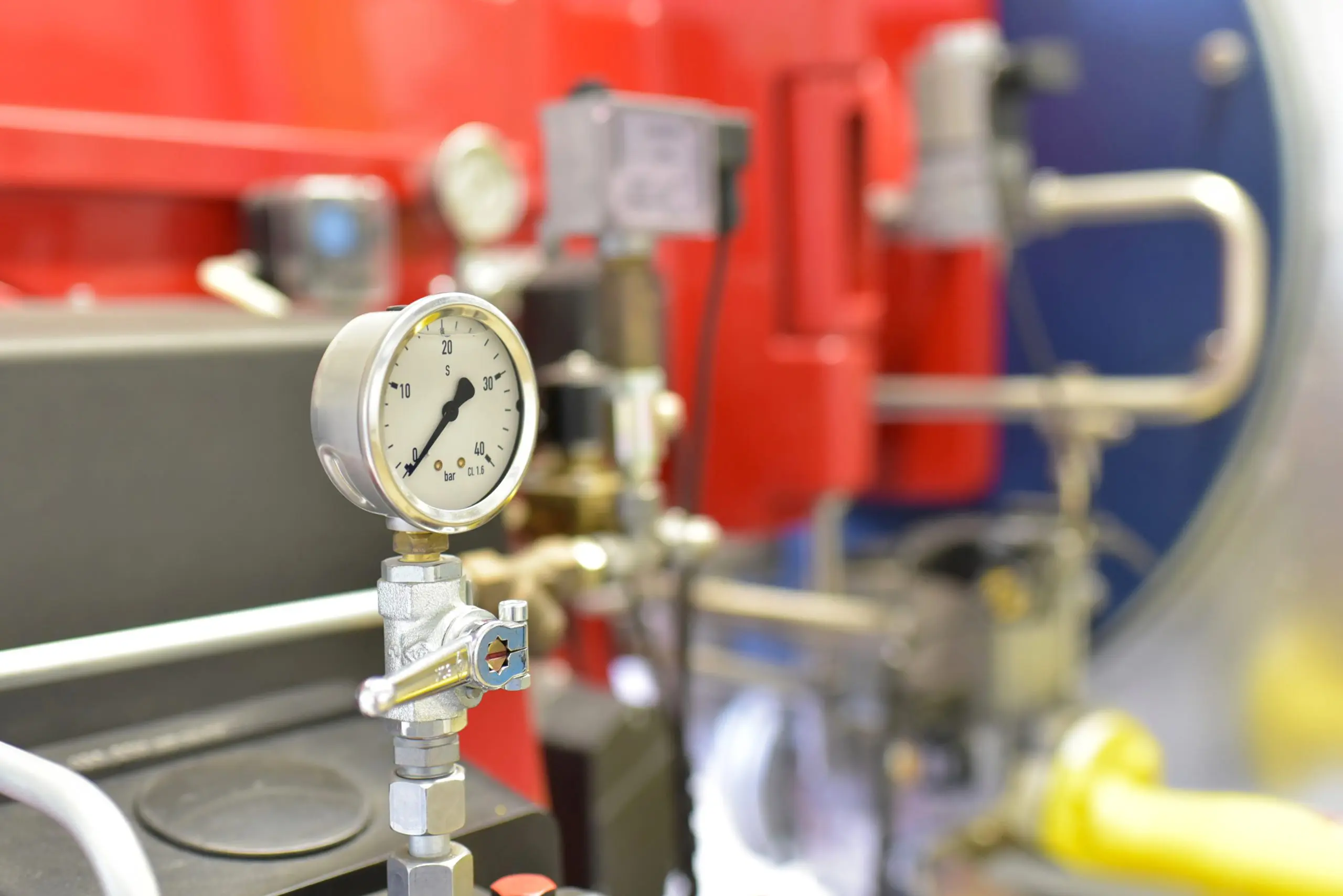
Manufacturing operations across the United States depend on precise pressure control systems that must meet increasingly complex regulatory requirements while maintaining operational reliability. As federal and state regulations continue to evolve, industrial facilities face mounting pressure to ensure their pressure measurement and control systems comply with current standards without disrupting production schedules or compromising safety protocols.
The challenge extends beyond simple compliance checkboxes. Plant managers must balance regulatory adherence with operational efficiency, equipment longevity, and cost control. When pressure systems fail to meet current standards, the consequences ripple through entire operations, affecting everything from product quality to worker safety. Understanding how modern pressure standards apply to industrial operations has become essential for maintaining competitive manufacturing capabilities.
Current regulatory frameworks require documentation, testing protocols, and maintenance schedules that many facilities struggle to implement effectively. The complexity increases when considering that different industries face varying requirements, yet all must demonstrate consistent compliance with baseline federal standards while adapting to local regulatory variations.
Understanding Current Federal Pressure System Requirements
Federal regulations governing industrial pressure systems stem primarily from OSHA standards, EPA environmental requirements, and DOT transportation guidelines that collectively establish minimum safety and operational criteria. These regulations focus on preventing catastrophic failures, protecting worker safety, and ensuring environmental compliance across all industrial applications. The Psi Pressure Systems guide provides detailed information on how these federal requirements translate into practical compliance measures for different industrial applications.
The regulatory framework addresses three primary areas: system design standards, operational monitoring requirements, and maintenance documentation protocols. System design standards establish minimum safety factors, material specifications, and installation criteria that pressure systems must meet before initial operation. These standards apply to both new installations and major modifications to existing systems.
Operational monitoring requirements mandate continuous or periodic pressure monitoring depending on the specific application and risk level. High-pressure applications typically require continuous monitoring with automated shutdown capabilities, while lower-pressure systems may meet requirements through regular manual inspections and documentation. The frequency and method of monitoring directly correlate to the potential consequences of system failure.
Maintenance documentation protocols require facilities to maintain comprehensive records of all pressure system maintenance, repairs, and modifications. This documentation serves multiple purposes: demonstrating ongoing compliance during inspections, providing historical data for reliability analysis, and supporting insurance claims when equipment failures occur. The documentation requirements have become more stringent as regulatory agencies increase their focus on preventive maintenance as a compliance strategy.
OSHA Pressure System Standards
OSHA standards establish fundamental safety requirements for pressure systems in industrial workplaces, focusing on protecting workers from injury due to pressure system failures or malfunctions. These standards require pressure systems to include appropriate safety devices, maintain adequate safety factors in design, and undergo regular inspection by qualified personnel. The standards also mandate worker training on pressure system hazards and emergency procedures.
The OSHA framework distinguishes between different pressure levels and applications, with more stringent requirements for high-pressure systems or those containing hazardous materials. Facilities must demonstrate that their pressure systems meet design standards at installation and continue to meet operational standards throughout their service life. This ongoing compliance requirement has significant implications for maintenance scheduling and budget planning.
Environmental Compliance Requirements
EPA regulations affect pressure systems primarily when those systems handle materials that could impact air quality, water resources, or soil contamination if released. Pressure systems containing volatile organic compounds, hazardous chemicals, or materials subject to reporting requirements must meet additional standards for containment, monitoring, and emergency response. These environmental requirements often exceed basic safety standards and require more sophisticated monitoring and control systems.
Environmental compliance also extends to the proper disposal and handling of materials removed from pressure systems during maintenance activities. Facilities must document the environmental impact of their pressure system operations and demonstrate that normal operations and potential failure scenarios meet environmental protection standards established by federal and state agencies.
Industry-Specific Compliance Variations
Different industrial sectors face varying pressure system requirements that build upon federal baseline standards while addressing industry-specific risks and operational characteristics. Chemical processing facilities must meet more stringent requirements than general manufacturing operations due to the potential for hazardous material releases. Similarly, food processing operations face unique sanitary requirements that affect pressure system design and maintenance procedures.
The petroleum and petrochemical industry operates under some of the most comprehensive pressure system regulations, including API standards that specify detailed design, installation, and maintenance requirements. These industry standards often exceed federal minimums and require specialized expertise to implement effectively. Facilities in this sector typically invest significantly more in pressure system monitoring and control technology to meet these enhanced requirements.
Pharmaceutical manufacturing faces dual regulatory pressures from both safety agencies and FDA quality standards that affect pressure system operations. These facilities must demonstrate that pressure system variations do not affect product quality while simultaneously meeting all applicable safety and environmental standards. The documentation requirements for pharmaceutical applications often exceed those in other industries due to FDA validation requirements.
Chemical Processing Compliance
Chemical processing facilities must address the unique challenges of handling corrosive, reactive, or toxic materials in their pressure systems. Regulatory requirements for these facilities include enhanced material specifications, more frequent inspection schedules, and sophisticated monitoring systems capable of detecting minute pressure variations that could indicate developing problems. The consequence of pressure system failure in chemical processing often extends beyond the immediate facility, requiring emergency response planning and community notification protocols.
Process Safety Management standards require chemical facilities to conduct comprehensive hazard analyses of their pressure systems and implement management systems that address the full lifecycle of pressure equipment. These requirements include detailed documentation of design decisions, ongoing mechanical integrity programs, and formal management of change procedures when pressure systems are modified or replaced.
Food and Beverage Industry Standards
Food processing operations must balance pressure system safety requirements with sanitary design principles that prevent contamination and support effective cleaning procedures. Pressure systems in food processing facilities require materials and designs that can withstand frequent cleaning cycles while maintaining structural integrity and pressure containment capabilities. The regulatory framework includes both safety standards and food safety requirements that can create conflicting design requirements.
HACCP principles affect pressure system design and operation in food processing facilities, requiring documentation of how pressure variations could affect food safety and implementing controls to prevent pressure-related contamination risks. These requirements often necessitate more sophisticated monitoring systems and more frequent calibration schedules than required for safety compliance alone.
Documentation and Record-Keeping Requirements
Comprehensive documentation serves as the foundation for demonstrating ongoing compliance with pressure system regulations and provides essential data for optimizing system performance and reliability. Regulatory agencies expect facilities to maintain detailed records that demonstrate not only current compliance but also the historical performance and maintenance of pressure systems over their entire service life. These records become crucial during regulatory inspections and can significantly impact the outcome of compliance audits.
The documentation requirements extend beyond simple maintenance logs to include design calculations, material certifications, inspection reports, and modification histories. Each component of the documentation package serves specific regulatory purposes while also providing operational value for facility management. Proper documentation practices can reduce inspection time, demonstrate due diligence in safety management, and support insurance coverage in the event of equipment failures.
Modern regulatory expectations include electronic record-keeping systems that provide reliable data storage, easy retrieval during inspections, and integration with maintenance management systems. The Environmental Protection Agency has established guidelines for electronic record-keeping that many facilities adopt as best practices even when not specifically required.
Inspection and Testing Documentation
Regular inspection and testing documentation must demonstrate that pressure systems continue to meet safety and performance standards throughout their operational life. This documentation includes routine inspection reports, non-destructive testing results, and calibration records for monitoring equipment. The frequency and scope of required inspections vary based on system pressure levels, materials handled, and industry-specific requirements.
Testing documentation must include not only the results of tests but also the qualifications of personnel conducting tests, the methods and equipment used, and any corrective actions taken based on test results. This comprehensive approach to testing documentation helps facilities demonstrate the reliability of their testing programs and provides valuable data for predicting future maintenance needs.
Maintenance and Modification Records
Detailed maintenance records serve dual purposes: demonstrating compliance with regulatory requirements and providing operational data for optimizing maintenance schedules and procedures. These records must include routine maintenance activities, emergency repairs, component replacements, and system modifications. The level of detail required varies by industry and regulatory jurisdiction, but comprehensive records consistently provide better support during regulatory inspections.
Modification records become particularly important when facilities upgrade or alter existing pressure systems. Regulatory agencies expect facilities to document how modifications affect system safety, performance, and compliance with current standards. This documentation often requires engineering analysis and may necessitate updated inspection and testing procedures to address changes in system configuration or operation.
Common Compliance Challenges and Solutions
Industrial facilities commonly struggle with maintaining consistent compliance across multiple pressure systems while managing operational demands and cost constraints. The challenge intensifies when facilities operate legacy equipment that met standards at installation but may not fully comply with current requirements. These situations require careful analysis to determine the most cost-effective approach to achieving compliance without unnecessary operational disruption.
Personnel training represents another significant compliance challenge, as regulatory requirements often exceed the basic operational knowledge needed for day-to-day system operation. Facilities must ensure that personnel responsible for pressure system operation, maintenance, and inspection possess appropriate qualifications and receive ongoing training to maintain those qualifications. The training requirements become more complex in facilities with multiple types of pressure systems or those subject to multiple regulatory jurisdictions.
Budget constraints frequently conflict with compliance requirements, particularly when facilities face unexpected equipment failures or regulatory changes that require immediate attention. Successful compliance programs balance immediate compliance needs with long-term planning that spreads compliance costs over time while maintaining operational reliability. This balance requires detailed understanding of regulatory requirements and realistic assessment of equipment condition and remaining service life.
Legacy System Compliance
Older pressure systems often require creative solutions to achieve compliance with current standards without complete replacement. These solutions may include retrofitting monitoring equipment, upgrading safety systems, or implementing enhanced inspection and maintenance procedures that compensate for design limitations. The key to successful legacy system compliance lies in understanding which current requirements apply to existing equipment versus those that apply only to new installations.
Regulatory agencies typically provide some flexibility for existing equipment, but facilities must demonstrate that alternative compliance approaches provide equivalent safety and environmental protection. This demonstration often requires engineering analysis and may necessitate more frequent inspections or monitoring than required for newer equipment that fully meets current design standards.
Multi-Location Compliance Management
Organizations operating multiple facilities face the additional challenge of ensuring consistent compliance across different locations that may be subject to varying state and local requirements. Successful multi-location compliance programs establish standardized procedures that meet the most stringent requirements across all locations while allowing for local variations where necessary. This approach simplifies training and documentation while ensuring that all facilities meet applicable requirements.
Centralized compliance management systems help multi-location organizations track compliance status, schedule required activities, and maintain consistent documentation standards across all facilities. These systems become particularly valuable during corporate audits or when regulatory agencies conduct coordinated inspections across multiple locations.
Future Regulatory Trends and Preparedness
Emerging regulatory trends indicate increasing emphasis on predictive maintenance, environmental impact reduction, and integration with broader facility management systems. Regulatory agencies are beginning to recognize that modern monitoring and control technologies can provide better safety and environmental protection than traditional inspection-based compliance approaches. This shift toward technology-enabled compliance offers opportunities for facilities to improve both regulatory compliance and operational efficiency.
Environmental regulations affecting pressure systems continue to evolve, with increasing focus on reducing emissions, minimizing waste, and preventing environmental releases. These evolving requirements often favor newer technologies and may create incentives for facilities to upgrade aging pressure systems. Understanding these trends helps facilities plan compliance strategies that anticipate future requirements rather than simply meeting current minimums.
The integration of pressure system compliance with broader facility management systems represents a significant trend that affects how facilities approach compliance planning and implementation. Modern compliance approaches recognize that pressure systems operate as part of larger industrial processes and that compliance strategies should consider these interactions rather than treating pressure systems in isolation.
Conclusion
Achieving and maintaining compliance with US industrial pressure standards requires comprehensive understanding of federal requirements, industry-specific variations, and emerging regulatory trends. Success depends on implementing robust documentation systems, maintaining qualified personnel, and balancing immediate compliance needs with long-term operational strategy. Facilities that approach compliance as an integrated part of their operational management rather than a separate regulatory burden consistently achieve better outcomes in both safety performance and cost management.
The evolving regulatory environment presents both challenges and opportunities for industrial facilities. Organizations that invest in understanding current requirements and anticipating future trends position themselves to maintain competitive operations while meeting all applicable standards. This proactive approach to compliance management ultimately supports both regulatory objectives and business success in an increasingly complex industrial environment.
