


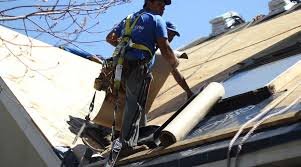
A roof is one of the most important structural components of any building, notes RentWise Property Company. It protects the interior from weather conditions, supports the structural integrity of the property, and contributes to overall energy efficiency. Because roofs are constantly exposed to sun, rain, wind, snow, and temperature changes, they naturally experience wear over time. Without proper care, small roofing problems can quickly turn into major structural issues that require costly solutions. Preventative roof maintenance is the best way to extend the lifespan of your roof and reduce the need for expensive roof repair services in the future.
Understanding how to properly maintain a roof allows property owners to identify early warning signs of damage and address them before they escalate. Routine inspections, cleaning, and minor repairs can significantly improve the durability and reliability of a roofing system while protecting the entire building.
Why Preventative Roof Maintenance Matters
Preventative maintenance focuses on identifying potential problems early so they can be addressed before serious damage occurs. Roofing systems are designed to withstand harsh weather conditions, but they still require regular care to maintain their effectiveness.
Small problems such as loose shingles, cracked flashing, or clogged gutters may seem minor at first. However, these issues can allow moisture to penetrate the roof structure. Once water enters the roofing system, it can damage insulation, weaken wooden structures, and cause mold growth inside the property.
Routine maintenance reduces the chances of these problems developing into major structural failures. By performing regular inspections and addressing small issues early, property owners can avoid extensive roof repair projects and maintain a safe and comfortable indoor environment.
Regular Roof Inspections
One of the most effective ways to prevent roofing problems is through consistent inspections. Roof inspections help identify damaged materials, structural weaknesses, and areas where water may be entering the building.
Ideally, roofs should be inspected at least twice each year. Seasonal inspections during spring and fall are particularly important because they help detect damage caused by extreme weather conditions such as heavy rainfall, snow accumulation, or strong winds.
During an inspection, several components should be carefully evaluated. Roofing materials such as shingles or tiles should be checked for cracks, curling, or missing pieces. Flashing around chimneys, vents, and skylights should also be examined to ensure that these areas remain properly sealed.
Gutters and drainage systems should also be inspected because clogged gutters can cause water to accumulate on the roof. When water cannot flow properly through the drainage system, it may seep under roofing materials and eventually require costly roof repair work.
Removing Debris from the Roof
Debris accumulation is another common cause of roofing damage. Leaves, branches, and dirt often collect on roofs, especially in areas surrounded by trees. When debris remains on the roof for long periods, it can trap moisture against the roofing surface.
Excess moisture accelerates the deterioration of roofing materials and increases the risk of leaks. Regularly removing debris allows the roof surface to dry properly after rainfall and prevents organic matter from decomposing on the roof.
Cleaning gutters and downspouts is equally important because proper drainage ensures that rainwater flows away from the roof and foundation. Maintaining clean gutters helps protect the roofing system and reduces the likelihood of needing emergency roof repair services.
Inspecting Flashing and Sealants
Flashing is a critical part of the roofing system because it protects areas where the roof intersects with other structures such as chimneys, skylights, and vents. These intersections are particularly vulnerable to water intrusion.
Over time, flashing can loosen, corrode, or crack due to weather exposure. Sealants used around flashing can also deteriorate as they age. When these protective barriers fail, water can enter the roof structure and cause hidden damage.
Routine maintenance should include checking flashing and sealants to ensure they remain secure and effective. Replacing damaged flashing or reapplying sealant when necessary can prevent leaks and reduce the need for major roof repair projects.
Maintaining Proper Roof Ventilation
Roof ventilation plays an important role in maintaining the health of the roofing system. Proper ventilation allows heat and moisture to escape from the attic space, preventing excessive heat buildup and condensation.
Without adequate ventilation, trapped heat can cause roofing materials to deteriorate faster. Moisture accumulation can also damage insulation and promote mold growth inside the attic.
Ensuring that vents remain unobstructed and functional helps maintain balanced airflow within the roof structure. This improves energy efficiency and prolongs the life of roofing materials while reducing the likelihood of structural damage that may require professional roof repair services.
Repairing Minor Damage Immediately
Ignoring small roofing problems can lead to much larger issues over time. Loose shingles, minor cracks, or damaged sealants should be repaired as soon as they are discovered.
Even a small gap in the roofing surface can allow water to seep into the structure during rainfall. Once moisture penetrates the roof system, it may spread through insulation and wooden framing, leading to significant structural damage.
Addressing minor issues promptly helps maintain the integrity of the roofing system and prevents the need for extensive roof repair or replacement.
Managing Trees Near the Roof
Trees located close to a building can pose several risks to the roofing system. Overhanging branches may scrape against roofing materials during windy conditions, gradually wearing down protective layers.
Falling branches during storms can also cause sudden and severe damage to shingles or tiles. In addition, leaves and twigs from nearby trees often accumulate in gutters and roof valleys, blocking drainage pathways.
Regularly trimming branches that extend over the roof helps prevent physical damage and keeps debris from accumulating. Proper tree maintenance is an important part of preventative roof care.
Watching for Interior Signs of Roof Damage
Sometimes the first signs of roofing problems appear inside the building rather than on the roof itself. Property owners should pay attention to warning signs such as water stains on ceilings, peeling paint, damp walls, or musty odors.
These symptoms may indicate a hidden roof leak that requires immediate attention. Checking attic spaces for damp insulation or visible water infiltration can also help detect roofing issues early.
Addressing these signs quickly helps prevent structural deterioration and reduces the likelihood of major roof repair costs in the future.
Benefits of Professional Roof Maintenance
While some maintenance tasks can be performed by homeowners, professional roof maintenance services provide a more thorough assessment of the roofing system.
Experienced roofing professionals have the knowledge and equipment necessary to identify subtle signs of damage that may not be visible during routine inspections. They can safely access difficult areas of the roof and perform detailed evaluations of flashing, ventilation systems, and structural components.
Professional maintenance often includes cleaning, minor repairs, and recommendations for improving the overall performance of the roof. These services help ensure that potential problems are addressed before they require extensive roof repair work.
Extending the Lifespan of Your Roof
A roof that receives consistent maintenance can last significantly longer than one that is neglected. Preventative care reduces wear and prevents small issues from escalating into serious structural problems.
By investing in regular maintenance, property owners can delay the need for expensive roof replacements. A well-maintained roof also improves property value and enhances curb appeal, making the building more attractive to potential buyers.
Maintaining the roof properly ensures that it continues to provide reliable protection against the elements while minimizing long-term maintenance expenses.
Creating a Roof Maintenance Plan
Establishing a maintenance schedule helps ensure that roof care remains consistent throughout the year. Seasonal inspections, routine cleaning, and timely repairs should all be included in this plan.
Spring inspections help identify damage caused by winter weather, while fall inspections prepare the roof for upcoming cold conditions. Additional inspections may also be necessary after severe storms.
Keeping records of inspections, maintenance activities, and repairs allows property owners to monitor the condition of the roof over time and plan for future improvements.
Conclusion
Preventative roof maintenance is one of the most effective ways to protect a property from costly structural damage. Regular inspections, debris removal, flashing repairs, and proper ventilation all contribute to a durable and reliable roofing system.
By addressing small issues early, property owners can significantly reduce the need for major roof repair projects while extending the lifespan of their roof. Preventative care not only protects the building structure but also improves energy efficiency and preserves property value.
Taking a proactive approach to roof maintenance ensures that the roofing system continues to provide dependable protection and long-term performance for many years.
