


Introduction: The Allure of Water Features
Water features are among the most captivating elements of landscape design, providing aesthetic appeal, tranquility, and a soothing auditory experience in gardens, backyards, parks, and commercial spaces. Whether it is a flowing waterfall, a reflective pond, a bubbling fountain, or a cascading stream, water features transform ordinary outdoor spaces into serene retreats. Beyond their visual and auditory charm, water features contribute to environmental health by supporting wildlife, improving air humidity, and creating micro-ecosystems that encourage biodiversity.
Creating a water feature that is both functional and visually appealing requires careful planning, precise design, and professional installation. Improperly installed water features can lead to water stagnation, algae growth, leakage, and excessive maintenance. This is why consulting with a professional or experienced contractor is crucial to ensure a sustainable, long-lasting feature.
This guide explores the types, design considerations, installation processes, maintenance practices, benefits, and cost factors of water features. It serves as a comprehensive resource for homeowners, landscape designers, and property developers looking to enhance outdoor spaces with functional and artistic water elements.
Types of Water Features
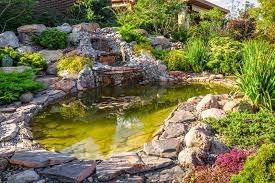
Water features come in many forms, each offering unique visual and functional benefits. Garden ponds are perhaps the most traditional, providing a reflective surface, aquatic plants, and sometimes fish such as koi or goldfish. They can vary from small decorative basins to large ornamental ponds designed as focal points in landscaping.
Fountains are another popular choice, ranging from simple tiered designs to modern sculptural installations. Fountains offer both visual interest and the soothing sound of moving water, which can mask urban noise, create ambiance, and improve relaxation in outdoor spaces.
Waterfalls and streams introduce dynamic movement, mimicking natural water flow. They can be integrated into ponds, rock gardens, or hillside landscapes to create a naturalistic effect. Proper engineering ensures consistent flow and prevents erosion or leakage.
Reflecting pools are shallow, still water features designed to mirror surrounding architecture or landscaping. They emphasize symmetry, create a sense of space, and are often used in formal gardens, commercial courtyards, or memorial spaces.
Bubbling rocks and water walls are modern interpretations that combine art with water movement. Water flows over stone or sculptural surfaces, providing texture, sound, and visual interest without requiring large ponds or complex plumbing systems.
Planning and Design Considerations
Designing a water feature begins with understanding the purpose, location, and overall landscape context. Factors such as space availability, sunlight exposure, drainage, surrounding vegetation, and intended usage affect the design. For example, a koi pond requires sufficient depth, filtration, and oxygenation, while a decorative fountain may prioritize aesthetics and ease of maintenance.
Materials and construction methods are critical. Common choices include natural stone, concrete, stainless steel, fiberglass, and preformed liners. The selection influences both durability and visual style. Rock placement, edging, and plant integration also impact the overall look and the ecological balance of the feature.
Water circulation and filtration systems are essential for maintaining water quality and preventing stagnation. Pumps, skimmers, filters, and UV sterilizers are typically installed to maintain clear water, prevent algae growth, and support aquatic life. Planning for these components during the design phase ensures the feature functions efficiently and sustainably.
Lighting can be incorporated to enhance the aesthetic appeal, particularly at night. Submersible LED lights, floating fixtures, and uplighting can highlight the movement, texture, and color of the water, creating a dramatic effect.
Installation Process
Professional installation of a water feature involves several steps to ensure structural integrity, water-tightness, and aesthetic quality. The first step is site preparation, which may include excavation, grading, and leveling to accommodate the feature’s shape and dimensions.
Next is the installation of liners, basins, or structural elements depending on the type of feature. Liners must be fitted carefully to prevent punctures and leaks, while concrete or stone structures require precise shaping and curing. Plumbing and electrical systems are installed concurrently to power pumps, filters, and lighting.
Rockwork, edging, and plant placement follow, blending functionality with visual appeal. For ponds or streams, marginal and floating plants are added to provide natural filtration, habitat for aquatic life, and aesthetic balance. Once water is introduced, the feature is tested for flow, leakage, and circulation, and adjustments are made to ensure optimal performance.
Maintenance and Care
Regular maintenance is essential to keep water features functional and visually appealing. This includes cleaning filters, pumps, and plumbing components to ensure unobstructed water flow. Debris such as leaves, algae, and sediment must be removed to maintain water clarity and prevent clogging.
For ponds supporting fish, monitoring water quality parameters such as pH, temperature, and dissolved oxygen is critical. Seasonal maintenance includes winterization in cold climates, including pump removal or protection, aeration adjustments, and covering delicate plants. Plant management is also important to prevent overgrowth, decay, or invasive species from disrupting water quality.
Routine inspections for leaks, cracks, or erosion allow timely repairs, preventing costly damage. A proactive maintenance schedule ensures that the water feature remains a centerpiece of the landscape for years to come.
Benefits of Water Features
Water features offer numerous benefits beyond visual appeal. They create a calming environment, reduce stress, and improve mental well-being through the sound of flowing water. They also support wildlife, attract beneficial insects and birds, and create micro-habitats that promote biodiversity.
From a property perspective, well-designed water features enhance aesthetic value, increase curb appeal, and can improve property marketability. Properly maintained water features also contribute to environmental sustainability by supporting natural filtration and water recirculation systems.
Cost Considerations
The cost of water features varies widely depending on size, complexity, materials, and added features such as pumps, lighting, or filtration systems. Simple garden fountains may be affordable, while large ponds with waterfalls, rockwork, and advanced filtration can represent a significant investment.
Budget planning should also consider long-term maintenance, including cleaning, filter replacement, plant management, and seasonal adjustments. Hiring a professional contractor ensures accurate cost estimation, quality installation, and guidance for sustainable maintenance.
Choosing a Professional Contractor
Selecting a qualified water feature contractor is essential to ensure design precision, structural integrity, and longevity. Key factors include experience, licensing, insurance, and a portfolio of past projects. A reputable contractor will provide detailed plans, transparent pricing, and post-installation support.
Communication is critical. The contractor should understand your vision, recommend suitable materials, and ensure compliance with local regulations. Maintenance guidance and warranty options are additional factors that help protect your investment and ensure the water feature remains an attractive, functional element of the landscape for years.
Conclusion
Water features transform outdoor spaces into tranquil, visually appealing environments. From serene garden ponds to dramatic waterfalls and fountains, these installations offer aesthetic, environmental, and psychological benefits. Achieving a successful water feature requires careful design, skilled installation, and ongoing maintenance.
By working with a professional water feature contractor, property owners can ensure that their water elements are functional, durable, and harmoniously integrated into the landscape. With thoughtful planning and regular care, a well-designed water feature enhances the beauty, value, and ecological balance of any outdoor space, providing enjoyment and serenity for years to come.
